



Food is what people remember. Guests forget the seating chart and the centerpieces, but they will describe a great course to someone else a week later. That is why the choice of private dining chef carries more weight than almost any other vendor decision for a milestone dinner, a corporate gathering, or a wedding weekend.
It is also a decision most hosts make with very little information. Chefs vary enormously in specialty, service model, and how much of the event they will actually own, and those differences rarely surface in a first email exchange.
This guide covers what to look for, the mistakes that cost hosts money, the step by step hiring process, and what a private dining chef realistically costs in 2026.
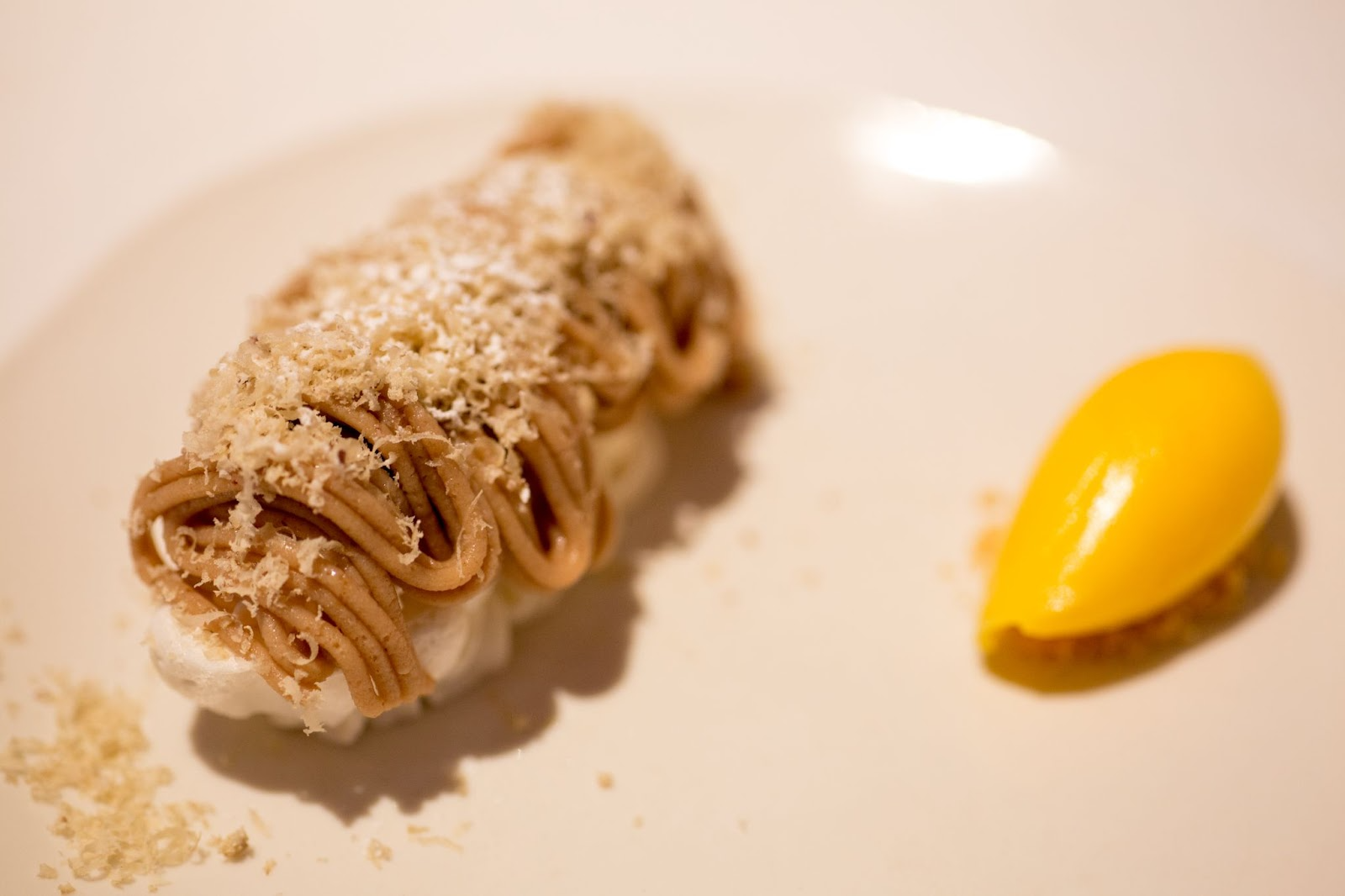
Why Hire a Private Dining Chef?
Personalization and Unique Menus
A restaurant hands you a menu. A private dining chef builds one with you. Dietary preferences, seasonal produce, a theme, a family recipe you want reinterpreted, a wine list you are building around: all of it becomes an input rather than a constraint. The menu is designed for your guest list, not for a dining room averaging two hundred covers a night.
Convenience and Time Back
Hiring a private chef for events removes planning, sourcing, prep, cooking, service, and cleanup from your plate at once. That is the real product. You get to be a guest at your own event instead of a project manager with an oven timer running.
Quality, Freshness, and Control
Because volume is low and the menu is fixed to your date, a private dining chef can shop tighter and later. Proteins and produce are typically bought within a day or two of service rather than held. Allergen handling is also far more controlled at this scale than in a commercial kitchen running dozens of tickets at once.
The Experience Itself
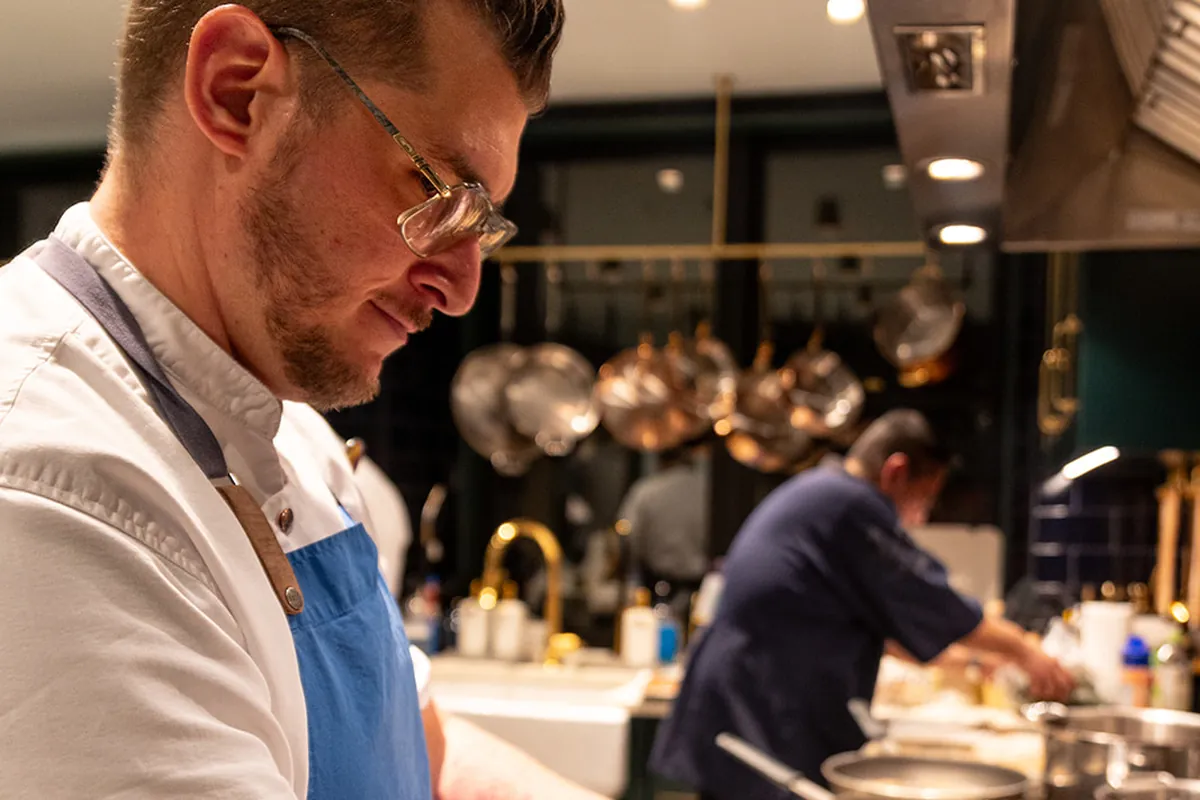
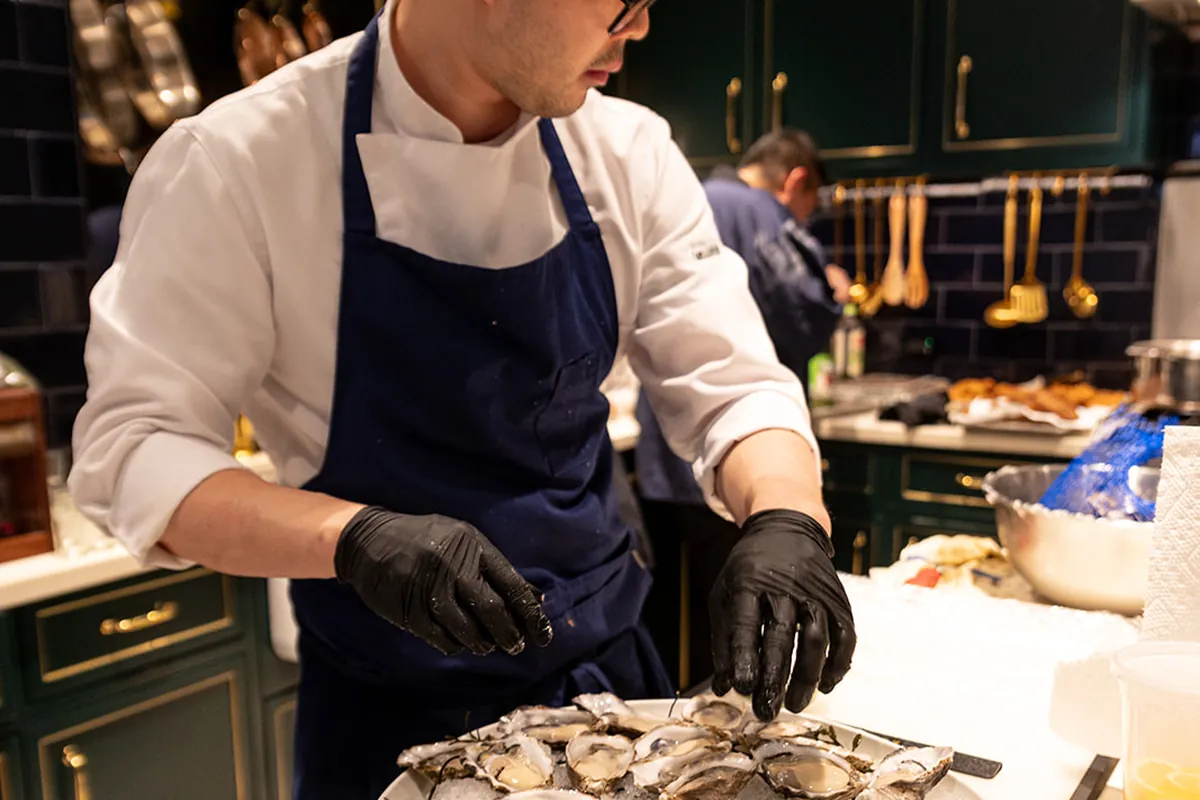
Live plating, a chef introducing each course, a station where guests can watch the work happen: these turn dinner into an event. The story behind a dish and the way it arrives are part of what you are paying a private dining chef to deliver.
What to Look for When Choosing the Right Private Dining Chef
Define Your Event and Goals First
Before you contact anyone, settle the basics: event format and tone, guest count, cuisine direction, dietary and religious requirements, venue, and budget range. Vague briefs produce vague quotes, and vague quotes are where the surprise line items hide.
Experience and Portfolio
Ask for past events comparable to yours in size and format. A chef who excels at eight-person tasting menus is not automatically the right private dining chef for a seventy-guest reception, and the reverse is equally true. Request references, read reviews for specifics rather than star ratings, and confirm formal training or certification where it matters to you.
Menu Flexibility and Creativity
Test how a candidate responds to constraints. Can they build around a vegan guest without turning that plate into an afterthought? Will they work with seasonal sourcing? How much thought goes into plating and presentation? The best answer to "what would you cook if it were up to you" tells you more than any sample menu.
Cost and Budget Transparency
Establish the pricing model early: per person, hourly, or flat event fee. Then establish what sits inside it. Ingredients, service staff, rentals, equipment transport, and cleanup are the five items most often quoted separately. Ask for an itemized estimate. Our breakdown of what a private chef costs covers how these structures compare across formats.
Logistics and Practical Matters
Walk the venue with the kitchen in mind. Confirm oven and burner capacity, refrigeration, water access, power, and prep surface. If the space is short, ask whether the chef can bring equipment or build a temporary kitchen, which is common for outdoor venues and rentals.
Then pin down timing: arrival, prep window, service start, and cleanup finish. Confirm food handler certification, liability insurance, and any permits your venue requires. Responsiveness during this stage is a reliable preview of how the event day will run.
Taste and Tasting
Arrange a tasting where the budget supports it. A tasting reveals portion size, seasoning, temperature handling, and plating standards in a way no photo does. Where a full tasting is not practical, ask for sample menus and recent event photography instead.
Common Mistakes to Avoid
- Choosing on price alone. The cheapest quote usually excludes ingredients, staff, or cleanup, and the gap reappears later.
- Raising dietary restrictions late. Allergies and religious requirements change sourcing and prep, not just one plate. Share them in the first brief.
- Underestimating the timeline. Prep, service, and breakdown for a seated dinner routinely run eight to ten hours. Book the venue accordingly.
- Leaving responsibilities undefined. Dishware, glassware, rentals, and service staff need a named owner in writing before the deposit.
- Overloading a single chef. Expecting one person to cook, plate, serve, run the bar, and clean the whole space stretches the kitchen thin and shows up on the plate.
- Skipping the contract. A verbal agreement gives you nothing when a guest count shifts or weather forces a change.
Understanding what is reasonable to ask of your chef helps here. Our guide to private dinner party etiquette covers the host side of that relationship in more detail.
Steps to Hire a Private Dining Chef
- Start your search. Use referrals, vetted marketplaces, or agencies. Review work samples and read reviews for detail, not volume.
- Reach out with a complete brief. Event type, date, venue, guest count, budget range, dietary needs, and theme. Precision here speeds everything downstream.
- Collect proposals and quotes. Ask two or three candidates for sample menus and fully itemized pricing so you are comparing the same scope.
- Arrange a tasting. Confirm flavor, portioning, and presentation, then lock the final menu.
- Sign a contract. Schedule, payment terms, cancellation policy, service inclusions, guest count deadline, and liability all belong in it.
- Coordinate logistics. Venue access, kitchen capability, equipment, staffing, and service timings, confirmed in the final week.
- Enjoy the event and give feedback. Step back on the day. Debrief afterward so the next booking is sharper.

Two trends are worth planning around. First, events continue moving away from buffets and fixed banquet menus toward chef-led, experiential formats, particularly in corporate and milestone celebrations, which raises expectations for live cooking and narrative service. Second, seasonal and locally sourced menus are now a default expectation rather than a premium request, so ask any private dining chef how they source before you compare quotes.


