


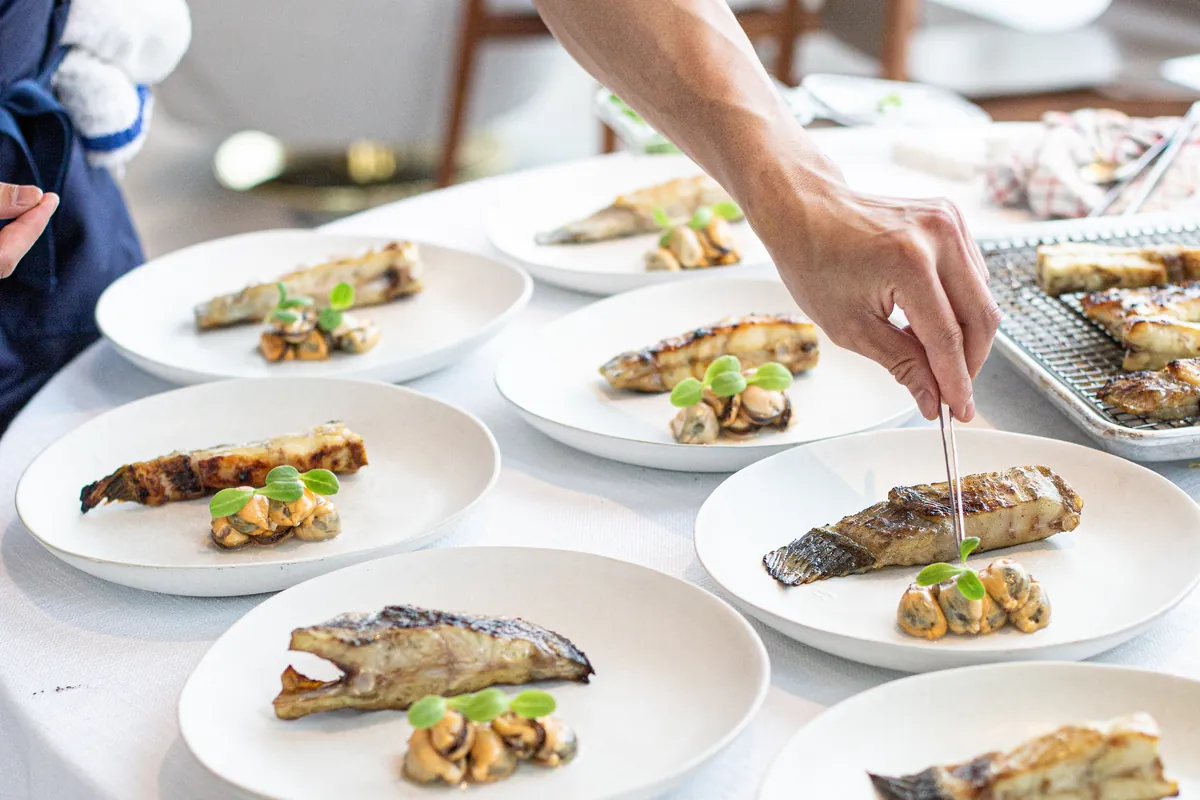
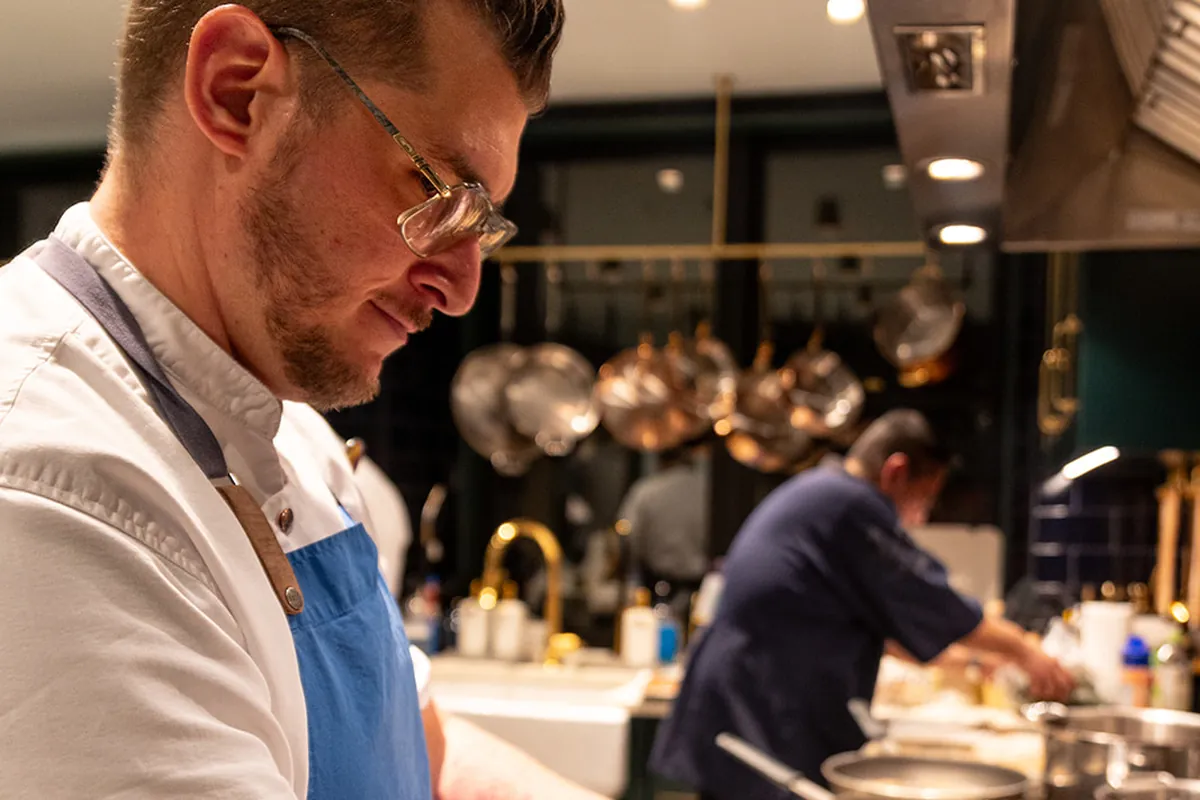
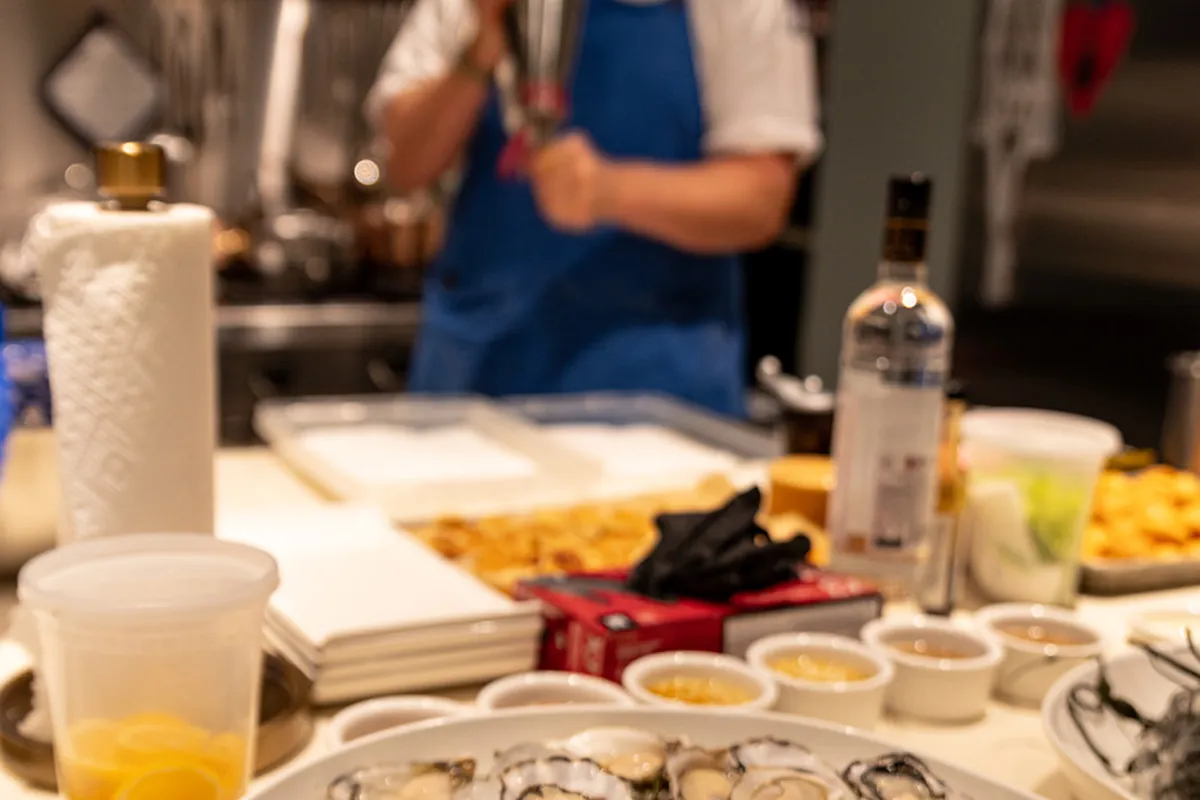
Seasonal cooking is not a trend for private chefs. It is the foundation of how a good one plans every meal.
When you hire a personal chef who works this way, you are not just booking a meal. You are booking a rotating, ever-changing menu that tracks the calendar and your local farmers market. That is the heart of a true farm-to-table private chef experience, and it is why seasonal personal chef dishes consistently taste better than anything built around ingredients flown in from across the country.
Here is what that looks like across all four seasons, and why the cost of hiring a private chef is often justified by exactly this kind of ingredient-driven menu planning.
Why Does Farm-to-Table Cooking Matter for a Private Chef Menu?
Farm-to-table means the ingredients on your plate traveled a short distance from the field to your kitchen. For a personal chef, that connection between food and its source shapes everything about how a menu comes together. Shorter supply chains mean less time between harvest and dinner, which usually means fresher, more flavorful food.
There is also a nutritional case for eating this way. Produce picked closer to peak ripeness and cooked soon after tends to retain more of its natural vitamin and mineral content, a point backed by research on vegetable variety and seasonal nutrition. A private chef working seasonally is not just chasing flavor. They are building meals around ingredients at their nutritional peak.
A few reasons farm-to-table menus consistently outperform standard catering:
- Ingredients are sourced within days of harvest, not weeks
- Menus rotate naturally instead of repeating the same dishes year-round
- Local sourcing supports small farms instead of large-scale distribution
If you want a reference for what is actually in season near you, the USDA seasonal produce guide is a reliable, government-maintained resource that any home cook or chef can use to plan around.
What Makes Spring Personal Chef Menus Fresh and Light?
Spring is about renewal, and a private chef's spring menu reflects that with lighter dishes built on tender baby vegetables and fresh herbs. A typical spring starter might be baby arugula, radishes, and English peas tossed with a bright vinaigrette, sourced straight from a local farmers market.
For a main course, herb-crusted lamb with mint and pea puree, roasted asparagus, and baby carrots is a spring staple among personal chefs working seasonally. Dessert usually leans into the season's first berries: rhubarb tarts or strawberry shortcake made with fruit that was picked days, not weeks, before it hit the table.
This is where a seasonal ingredients menu really shows its value. Nothing on a spring menu is trying to mimic what worked in December.
What Defines a Bold Summer Farm-to-Table Menu?
Summer brings the widest variety of any season: tomatoes, zucchini, corn, peppers, and berries all hit peak ripeness at once. A personal chef working farm-to-table in summer might build a starter around grilled heirloom tomatoes with basil and burrata, or a corn salad finished with fresh herbs and lime.
Seafood tends to headline summer main courses. Grilled shrimp and scallops over a corn and cherry tomato succotash is a common choice, letting the vegetables carry as much of the dish as the protein. Desserts shift toward peach cobbler or a berry compote served with homemade vanilla ice cream, both built around fruit that is only good for a few short weeks a year.
Why Do Fall Personal Chef Menus Feel Rich and Earthy?
Autumn shifts the entire tone of a seasonal ingredients menu toward root vegetables, squash, and orchard fruit. A classic fall opener is roasted butternut squash soup finished with sage-infused olive oil, often paired with roasted beets, walnuts, and goat cheese.
Main courses lean heartier too. Slow-cooked pork shoulder braised in apple cider, served with roasted parsnips and carrots, is a fall menu regular for personal chefs working with what is actually available at market. Dessert stays rustic: apple pie made from apples picked that same week, or a spiced pumpkin tart.
How Do Personal Chefs Create Warm Winter Comfort Food?
Winter menus rely on what stores well and what is still genuinely in season: preserved vegetables, root vegetables, hearty greens like kale, and winter squash. A warming starter might be roasted garlic and parsnip soup, followed by braised short ribs with mashed potatoes and sauteed winter greens.
For a lighter option, a winter salad built on kale, pomegranate seeds, and roasted butternut squash in a citrus vinaigrette keeps things from feeling too heavy. Desserts round things out with a spiced pear tart or a rich dark chocolate mousse, both built to feel indulgent without needing a single out-of-season ingredient.
What Role Do Personal Chefs Play in the Farm-to-Table Movement?
Personal chefs are one of the main reasons the farm-to-table movement works at the household level. Their job is to know which farmers have what, when, and to build a menu around that instead of around a fixed recipe list. That expertise is what makes farm-to-table private chef service feel effortless from the client's side while being genuinely complex to execute.
This sourcing relationship also has a ripple effect beyond the dinner table. Chefs who commit to buying seasonally and locally are part of a larger effort the James Beard Foundation has documented around building a more sustainable food system, one where demand from private kitchens and restaurants alike supports small and regional farms directly.
If you are curious how this plays out with clients managing specific dietary needs, this same seasonal approach is central to how private chefs handle wellness-focused and health-conscious dining.
Conclusion
Seasonal farm-to-table dishes give you four completely different culinary experiences across a single year. A private chef who works this way is not repeating a static menu. They are curating what is genuinely best in that moment and shaping it around your taste. For a closer look at specific dishes chefs are building right now, see our breakdown of signature personal chef dishes or learn more about Gradito.


