




Hiring a full-time private chef is one of the smartest lifestyle decisions for families and individuals who want healthier eating, more time, and luxury dining at home. More people now prefer personalized meals in their own kitchen over dining out, meal prep, or grocery runs. If you have ever wondered how to hire a private chef and keep them long-term, this guide breaks it down.
A full-time private chef does far more than cook. They become a trusted partner in your home, learning your tastes, cooking preferences, and dietary needs. But hiring the right chef and keeping them happy takes planning, clarity, communication, and the right support system.

Why More Families Are Hiring Full-Time Private Chefs
Private chefs were once seen as a perk reserved for celebrities and ultra-wealthy households. That has changed. Working families, busy professionals, wellness-focused individuals, and frequent hosts now hire a private chef as a practical lifestyle upgrade.
The appeal is simple. A full-time chef saves time and energy by handling grocery shopping, cooking, and cleanup. They make healthy eating effortless through menus built around your goals. They bring restaurant-style dining home every day, take the stress out of hosting events, and give you back hours for family, rest, or work. As demand rises, knowing how to hire and retain a great chef has become more valuable than ever.
Step 1: Define Your Needs Before Hiring a Private Chef
Before you start searching, get clear on what you actually need. This is what ensures a long-term fit. Consider how often you need the chef, whether that is full-time five to six days a week, part-time a few days a week, or event-only. Think about the cooking styles and cuisines you prefer, from healthy family meals to fine-dining menus or international cuisine, and note dietary needs such as vegan, gluten-free, keto, halal, or dairy-free.
Finally, factor in your household dynamic, whether it is adults only, a family with children, a large household, or a home that hosts guests often. A clear list of expectations attracts the right chef and sets the relationship up to last.
Step 2: Write a Clear Private Chef Role Description
A private chef is not a restaurant chef. They work inside your home and adapt to your daily rhythm, so clarity from the start prevents misunderstandings. A strong role description covers three areas.
For cooking duties, spell out weekly menu planning, which meals are expected (breakfast, lunch, dinner, snacks), meal prep and storage, and cooking for guests and events. For kitchen responsibilities, include grocery shopping and inventory, keeping the kitchen clean, and sourcing fresh, high-quality ingredients. For lifestyle fit, note that the chef should be flexible with scheduling, able to adjust to changing preferences, and comfortable interacting with household members. Transparency here helps you hire someone genuinely aligned with your home.
Step 3: How to Choose the Right Private Chef
Choosing the right chef is about more than cooking skill. It is about personality, professionalism, and compatibility with your household. These are the qualities that matter most and why:
QualityWhy It MattersStrong cooking skillsMust meet your taste and standardsGood communicationMakes feedback and planning easierClean and organizedEssential for working in a home kitchenFlexible and adaptableHousehold needs change oftenExperience with eventsValuable when hosting dinners or partiesWarm, respectful attitudeThey become part of your home environment
Many families choose a chef not only for culinary talent but for the comfort and harmony they bring to the household.
Step 4: Run a Trial Period and Tasting
A trial period lets both the chef and the family confirm the match before committing long-term. A one-week trial or a three-day test works well, and it should include a menu tasting session so you can evaluate food quality, hygiene, professionalism, and personal chemistry.
During the trial, give friendly feedback, discuss suggestions openly, and watch how well the chef adapts to your preferences and requests. A great private chef treats your comments as direction, not criticism, and refines their meals accordingly.
Step 5: How to Retain a Full-Time Private Chef
Hiring is only the beginning. Keeping a chef happy and motivated is what keeps them for years. Build mutual respect by treating your chef as a valued professional, not just a service provider. Encourage open communication about menus, working conditions, and scheduling. Protect their work-life balance by respecting days off and avoiding sudden long-hour demands.
Pay fairly and offer benefits, since competitive pay and perks like bonuses, paid leave, or training build loyalty. And allow creativity, giving your chef room to develop new dishes and themed dinners that keep the role exciting. Retention comes naturally when the relationship rests on trust, appreciation, and cooperation.
Step 6: Hosting Events With Your Private Chef
One of the best perks of a full-time chef is effortless entertaining at home. Whether it is a birthday dinner, family brunch, holiday celebration, or romantic evening, your chef can design a menu for the occasion, prepare restaurant-grade meals for guests, and handle everything from setup to cleanup. Your home becomes a private dining venue with none of the planning, cooking, or serving stress.
How Gradito Helps You Hire and Retain the Right Chef
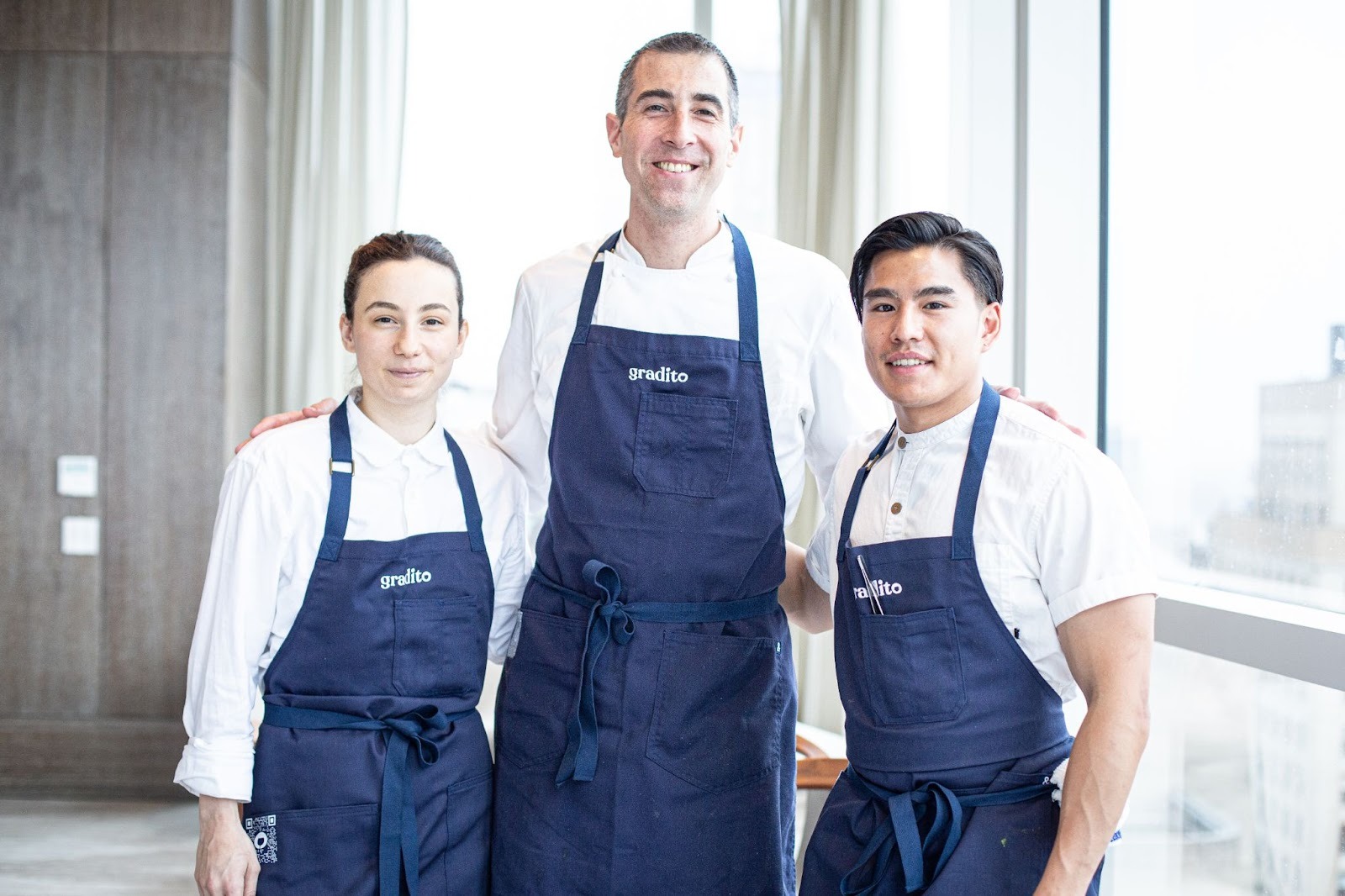
Finding trusted, skilled private chefs is the hardest part for most households, and that is where Gradito adds value. Gradito's placement specialists match families with experienced full-time chefs who fit their lifestyle, preferences, and expectations, then support the relationship from selection through retention.
Gradito places chefs with households across the US, including in-demand destinations like Santa Barbara, where families hiring a full-time private chef in Santa Barbara get someone who understands the region's fresh produce, seafood, and wine country ingredients. When you are ready to hire a private chef, Gradito makes the journey smooth, personal, and built to last.


