


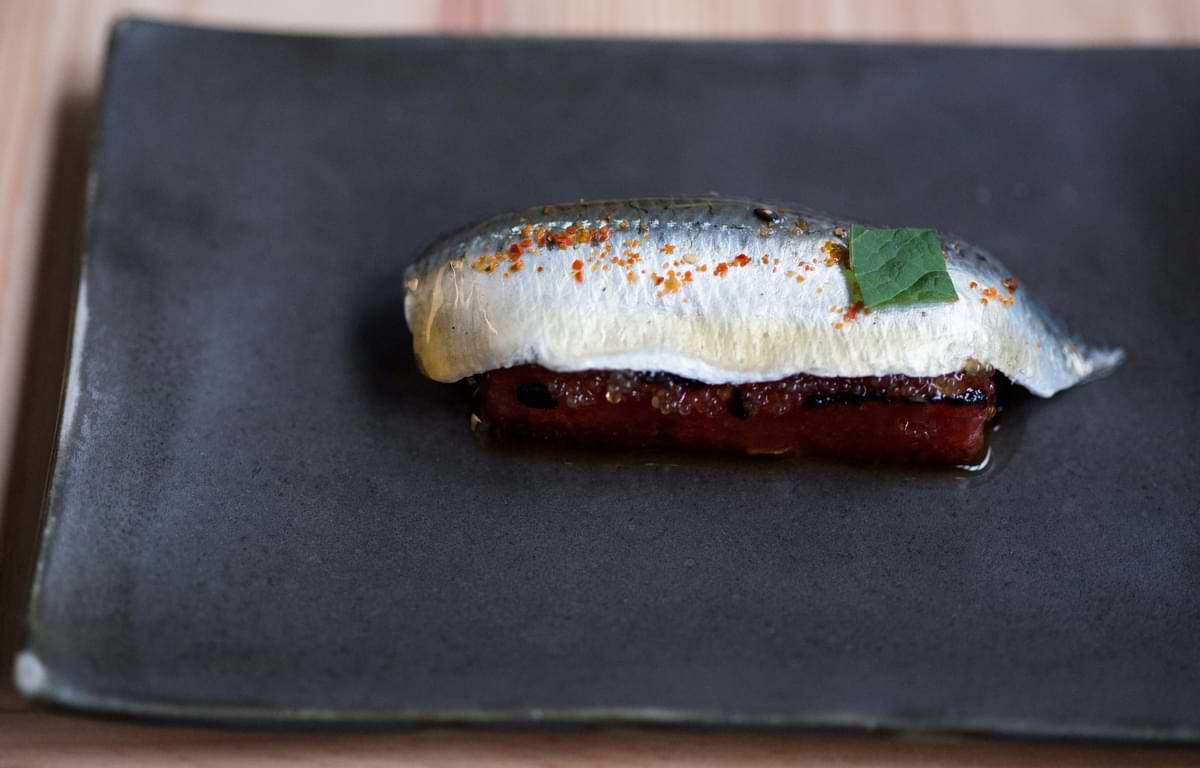


Omakase in NYC has become one of the hardest reservations in the city to land. Some of the most talked-about counters book out three months in advance, release seats at odd hours, and still sell out within minutes. Gradito built its at-home omakase program specifically to solve that problem, matching guests with chefs who have worked the counter at some of the city's top sushi restaurants.
Instead of chasing a reservation, you tell Gradito your date, your space, and your preferences, and a private sushi chef comes to you. The experience keeps everything that makes NYC's best omakase worth the hype: precision knife work, market-fresh fish, and a chef narrating each course, just without the wait list.
The NYC omakase scene has also gotten harder to book because of how quickly seats move online. Reservation windows open at set times, bots and resellers scoop up the best slots within seconds, and by the time a guest refreshes the page again, the night they wanted is gone. Bringing the format to your own address sidesteps that entire race.
Below, we walk through why NYC omakase is so hard to book, how Gradito's at-home process works, what a typical night looks like, and how to taste each course the way a regular would. Hire a private chef with Gradito. Whether you're planning an intimate dinner, a celebration, or a corporate event, Gradito connects you with vetted private chefs in New York City.
Why Is Omakase in NYC So Hard to Book?
Demand for NYC's best omakase counters far outpaces the number of seats available on any given night. Most rooms seat somewhere between eight and sixteen guests, and reservations are often released in narrow windows weeks or months ahead, so seats disappear almost immediately. Even guests willing to plan far in advance can lose out to faster fingers on a booking site.
Part of the appeal is scarcity itself. A tasting menu that only a dozen people can experience on a given night carries a certain cachet, and that scarcity has made omakase in NYC as much a status marker as a meal. The tradeoff is that guests who simply want a great sushi experience for a birthday, anniversary, or client dinner often get squeezed out by the sheer volume of people trying to book the same handful of counters across Manhattan and Brooklyn.
If you are still deciding whether a private omakase chef is the right fit for your event, our guide on what to look for in a private chef in New York City covers the credentials and questions worth asking before you book.
How Does Gradito's At-Home Omakase Booking Process Work?
Booking starts with a short questionnaire covering your date, location, guest count, and any dietary notes. From there, Gradito matches you with a chef whose background fits the occasion, whether that is an intimate anniversary dinner or a larger private event. Guests choose from Classic, Elevated, and Luxury menu tiers, each built around different cuts and preparations, and can add a sommelier for a rare sake or wine pairing.
Ingredients are sourced with the same standard NYC's top counters hold themselves to, including fish sourced through channels tied to Tokyo's Toyosu Market. The chef builds the final menu around what is freshest that week rather than a fixed printed list, which is part of why no two Gradito omakase nights look exactly the same, even within the same tier.
This process mirrors how Gradito built its in-home omakase program for corporate events, matching chefs to the mood and scale of the occasion rather than offering one fixed menu for every group.
Omakase NYC: Restaurant Counter vs. Gradito At-Home Booking
The comparison below breaks down where the two formats differ most, from how far out you need to plan to how much control you have over the final menu.
What to Expect the Night of Your Omakase
A Gradito chef and, if requested, a sommelier typically arrive about ninety minutes before service to set up, prep ingredients, and plate the first courses. There is no rush to turn the table for the next seating, so the meal moves at your pace rather than the restaurant's, and the chef handles cleanup at the end of the night so guests can simply enjoy the evening.
- Classic: a focused tasting built around seasonal sashimi and nigiri
- Elevated: additional chef's specials and a broader range of cuts, including otoro and uni
- Luxury: the full omakase progression with rare sake or wine pairing and premium seasonal additions
How to Taste Your Omakase Like a Regular
Part of enjoying omakase is knowing how to eat it the way the chef intended, rather than treating each piece like standard takeout sushi. A private setting makes this easier to pick up than a crowded counter, since the chef has time to walk guests through each course without holding up a line of other diners waiting for a seat.
- Eat each piece of nigiri in one bite whenever possible, since it is shaped to be eaten that way
- Dip fish-side down in soy sauce, not the rice, so the rice does not fall apart or soak up too much sauce
- Use pickled ginger to cleanse your palate between courses rather than piling it directly onto a piece
- Follow the chef's pacing instead of rushing ahead to the next course
Ready to book a private chef? Gradito makes it simple to find and hire a professional private chef for any occasion in New York City. From intimate dinners to large events, every experience is personalized to you.


