


When exploring the world of exceptional culinary experiences, two phrases often come up: Michelin star restaurants and gourmet dining. Both promise outstanding meals, but their meanings and approaches differ in real, practical ways. Understanding the distinction helps you choose the experience that actually matches what you're looking for, whether that's a formal culinary landmark or a more personal, flexible evening built around your own taste.
What Are Michelin Star Restaurants?
Michelin star restaurants represent the upper tier of culinary recognition, evaluated globally by an independent authority. These establishments earn their status through rigorous, anonymous evaluations conducted by inspectors for the Michelin Guide. The guide itself started in France as a travel resource created by the Michelin tire company, and it has since evolved into one of the most recognized symbols of culinary achievement in the world.
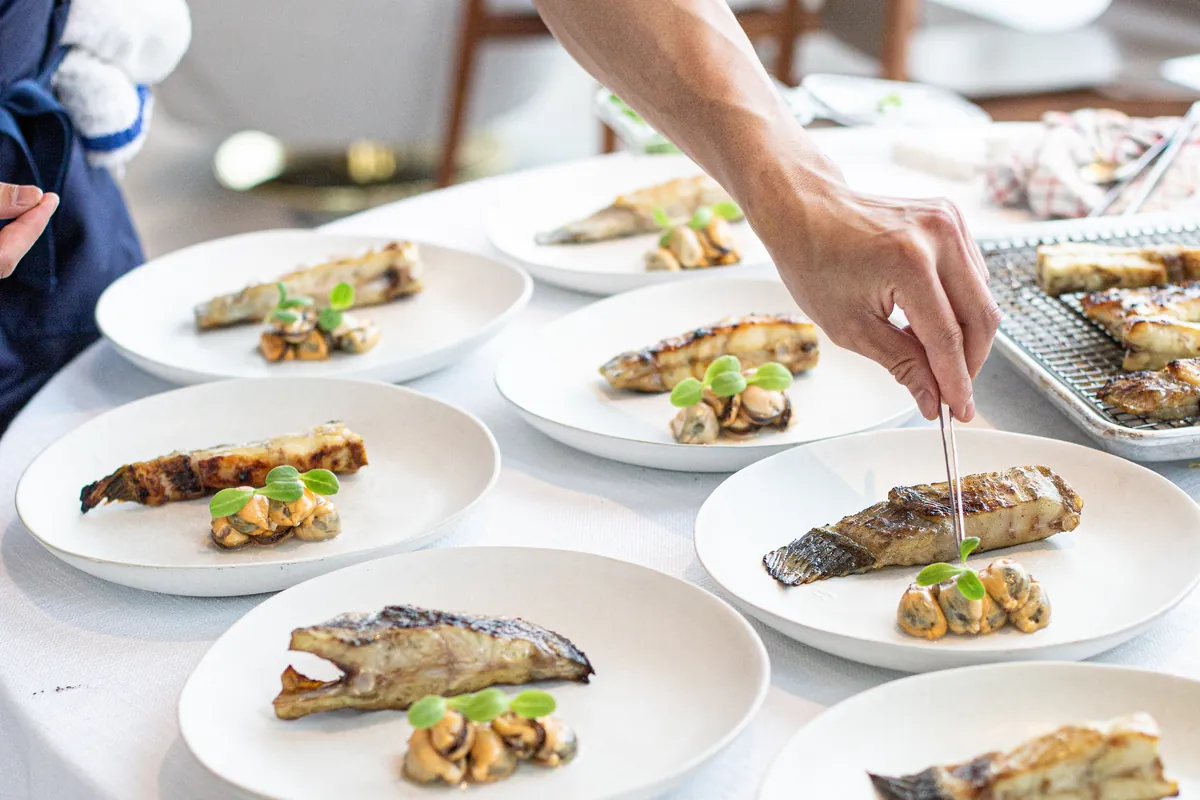
Dining at a Michelin-starred restaurant is about more than the food on the plate. It's a fully considered experience, from the artistry of plating to the formality of the setting, and chefs at this level often push the boundaries of traditional technique to create dishes meant to surprise as much as satisfy.
What Do 1, 2, and 3 Michelin Stars Actually Mean?
The star ratings aren't just a scale of "good to better." According to the official Michelin Guide, inspectors evaluate restaurants on five criteria: the quality of the ingredients, the harmony of flavors, mastery of technique, the personality of the chef as expressed through the food, and consistency across the entire menu and over time.
One Michelin star recognizes restaurants using top-quality ingredients where dishes with distinct flavors are prepared to a consistently high standard. Two stars are awarded when the chef's personality and talent clearly come through in expertly crafted, refined, and inspired dishes. Three stars, the guide's highest honor, go to chefs at the true peak of their profession, whose cooking is described as elevated to an art form, with some dishes destined to become classics in their own right.
What Is Gourmet Dining?
Gourmet dining is equally centered on quality, but it's a broader concept that extends beyond any single rating system. It refers to any high-quality dining experience where exceptional ingredients, expert preparation, and thoughtful presentation come together, and it can happen in a wide range of settings, from upscale restaurants to a private chef-led dinner in someone's own home.
The hallmark of gourmet dining is its flexibility. Unlike Michelin star restaurants, which are evaluated against a fixed set of criteria, gourmet dining focuses on crafting a unique experience tailored to the people actually at the table.
That might mean inventive fusion cuisine, a classic dish reinterpreted with a modern twist, or a multi-course menu built entirely around seasonal ingredients and a host's personal preferences. By this definition, a private chef preparing a multi-course dinner in your own dining room is a textbook example of gourmet dining, built around your taste rather than a fixed menu designed for a general audience.
Key Differences Between Michelin Star Restaurants and Gourmet Dining
The two share a commitment to quality, but they diverge in a few consistent ways.
Prestige and Recognition
Michelin star restaurants are defined by their status within the Michelin Guide, a globally recognized rating system, and they often become destinations people plan entire trips around. Gourmet dining isn't tied to a formal rating system at all. Its reputation tends to rest on word of mouth, local acclaim, or the specific creativity of a chef or host.
Approach to Dining
Michelin-starred establishments tend to emphasize precision, tradition, and innovation within a structured framework set by the guide's own criteria. Gourmet dining is just as creative, but it's built around personalization and adaptability instead, which allows far more range in menu design, ambiance, and overall tone.
Atmosphere and Accessibility
Michelin star restaurants often carry an air of exclusivity. Reservations can be genuinely hard to secure, and the setting is usually formal by design. Gourmet dining spans a much wider range, from an intimate dinner for two to an elaborate multi-course celebration, and it's generally more accessible since it isn't gated by a single guide's approval or a restaurant's limited seating.
Why Choose One Over the Other?
The decision comes down to your expectations and the occasion. If you want a culinary experience built around groundbreaking technique and extraordinary attention to detail, a Michelin-starred restaurant is likely the right call, particularly for a milestone celebration or a trip built specifically around the meal itself.
If you value flexibility and personalization more, gourmet dining is the better fit. It suits people who want genuinely excellent food without conforming to someone else's fixed menu or reservation calendar, whether that means an inventive tasting menu or a relaxed, intimate setting shaped entirely around your own preferences.
Experience Michelin-Level Gourmet Dining at Home with Gradito
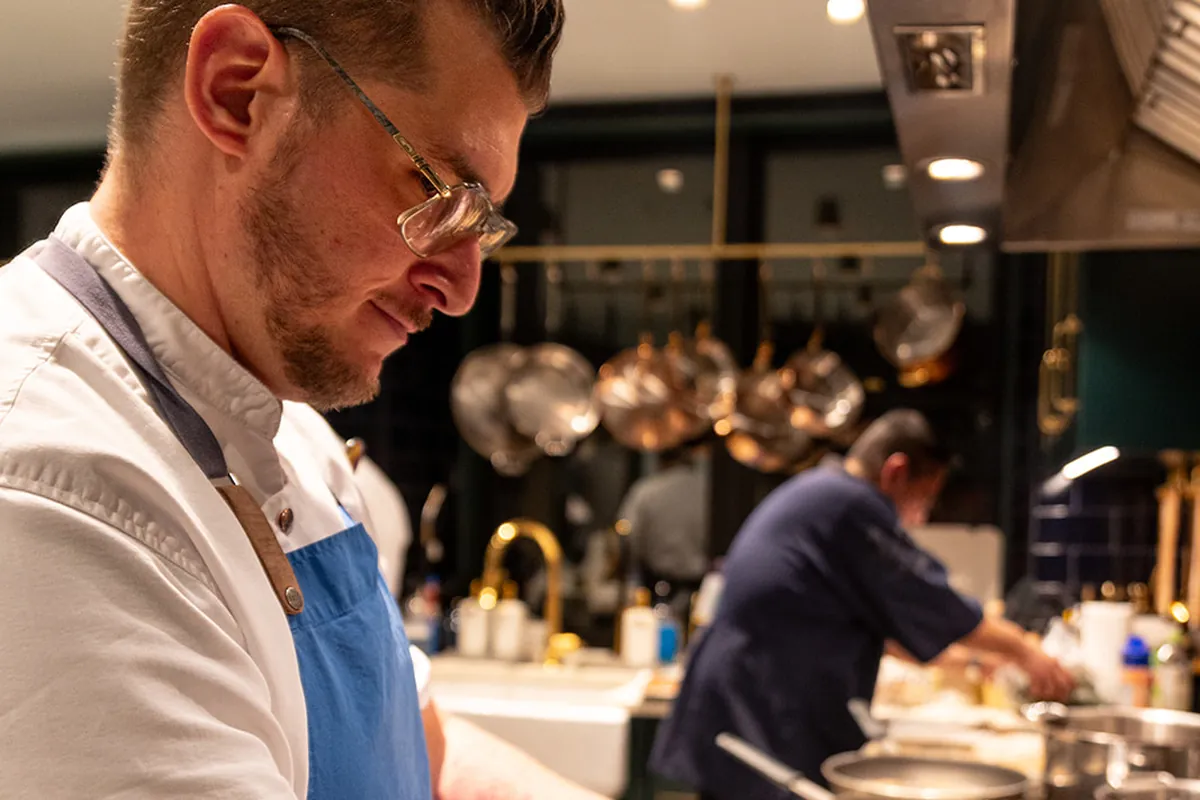
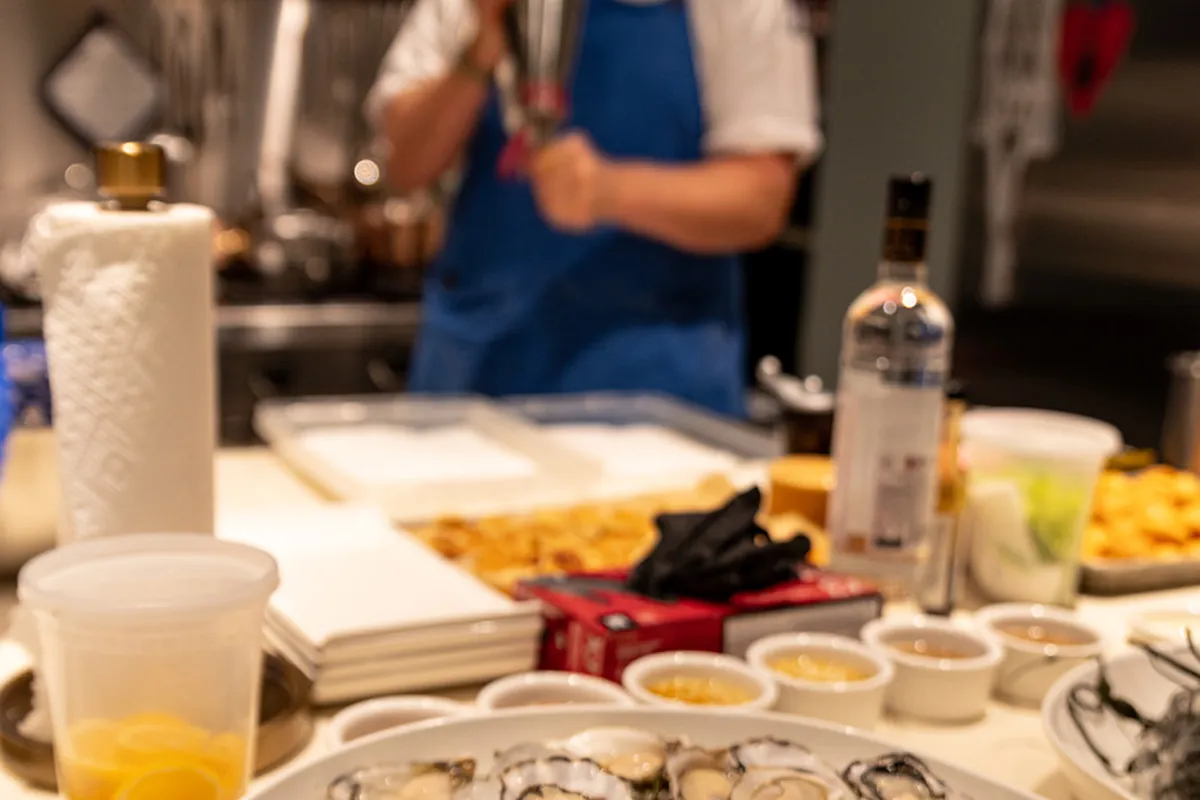
You don't need a reservation at a starred restaurant to enjoy that same caliber of cooking. Gradito connects clients with chefs trained in Michelin-level technique who bring that same precision and creativity directly into your home, whether it's an intimate dinner for two or a full celebration. You can explore Gradito's Michelin-level meal prep to see what that looks like, browse Gradito's private chefs to find a specialty that fits your taste, or reserve an experience directly. It's gourmet dining in its purest form: expert technique, without the formality, the reservation, or the fixed menu.
Finding the Perfect Culinary Experience
Ultimately, both Michelin star restaurants and gourmet dining celebrate the same thing: the artistry and joy of exceptional food. At their core, they share a commitment to unforgettable meals crafted with genuine passion and expertise. Choosing between them isn't really about quality, both promise excellence, it's about the kind of dining experience you actually want, and how much formality, flexibility, or personalization matters to you on any given occasion.


