NYC Event Organizer Guide: Navigating Permits, Regulations & Venue Restrictions

By:
Sean Kommer
Published on:
July 8, 2026
Published on:
8
min read

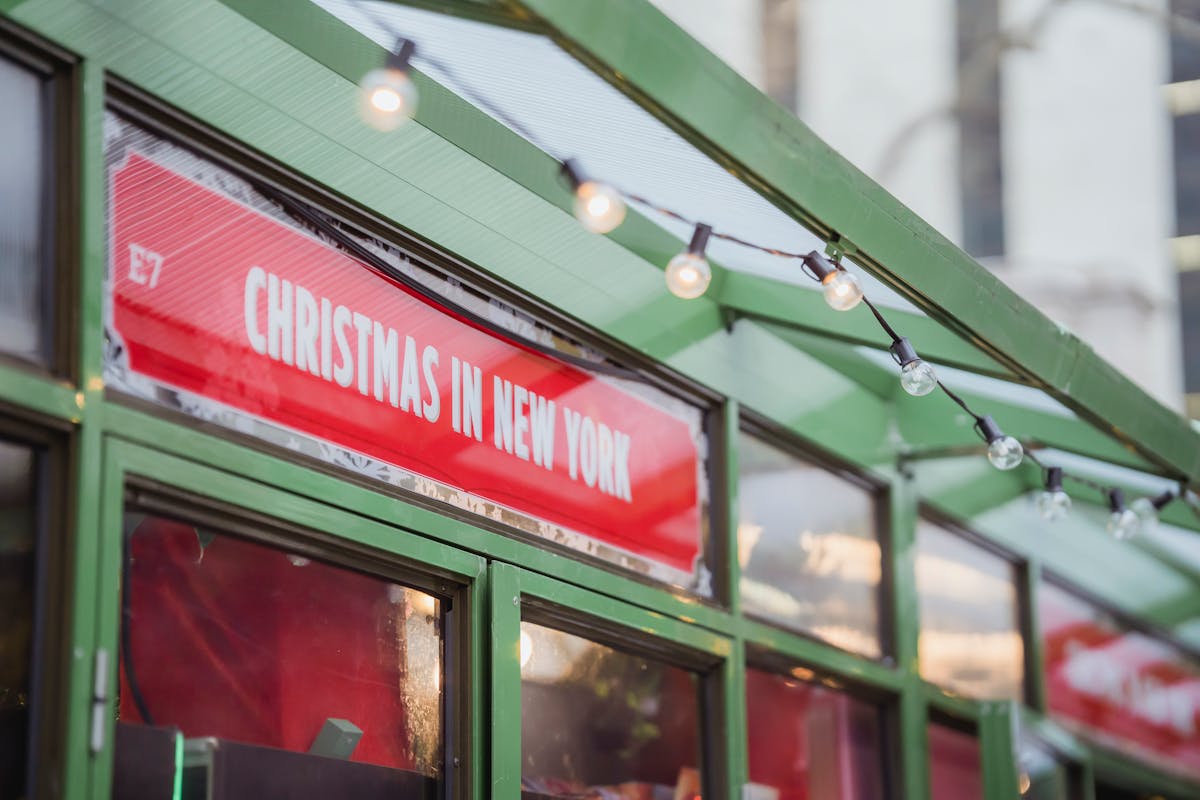
NYC offers endless possibilities, but also a maze of permits, regulations, and venue restrictions that every event organizer has to navigate carefully. From food permits to sound ordinances, understanding the city's rules is key to pulling off a seamless event.

This guide breaks down what every NYC event organizer needs to know about planning within the city's guidelines, plus how working with experts like Gradito can make the process easier, especially when you need to hire a private chef or coordinate catering in a compliant way.
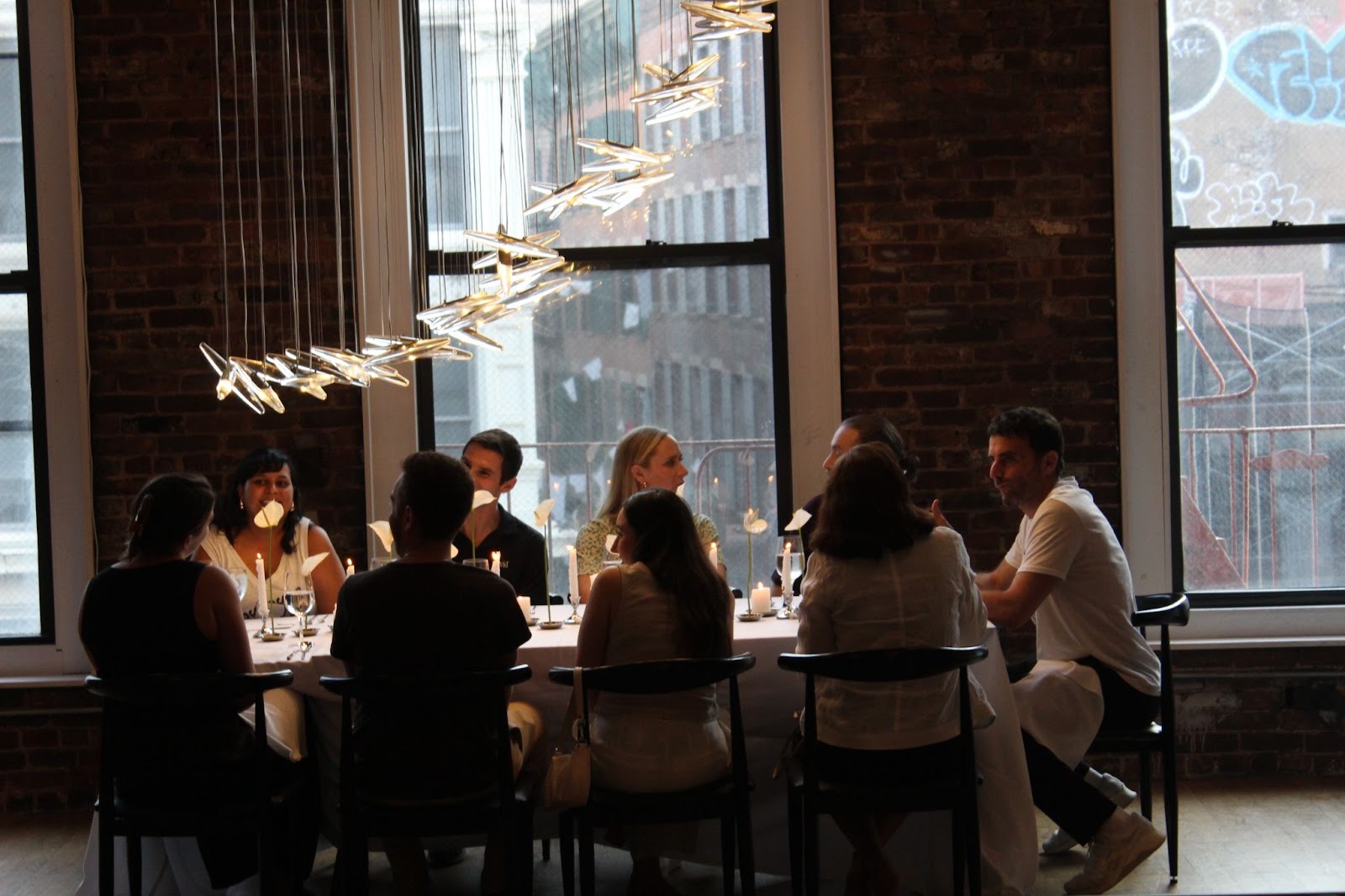
Understanding NYC Event Permits

One of the first steps to planning an event in New York is figuring out which permits you'll actually need. Different event types and venues come with their own requirements, and a few main categories are worth understanding upfront.

Outdoor events, street fairs, or large gatherings in public space typically require a Street Activity Permit, coordinated through the Mayor's Office of Citywide Event Coordination and Management (CECM). This applies to block parties, festivals, or any event using sidewalks, plazas, or parks.

If alcohol is part of the plan, you'll need a One Day Alcohol Event Permit from the New York State Liquor Authority (SLA). As of a recent state budget update, this permit category now covers beer, wine, cider, and liquor rather than just beer and wine, so it's worth checking the current rules directly rather than assuming an older permit name still applies. Keep in mind that some venues already hold their own liquor licenses, so it's worth checking before applying separately.

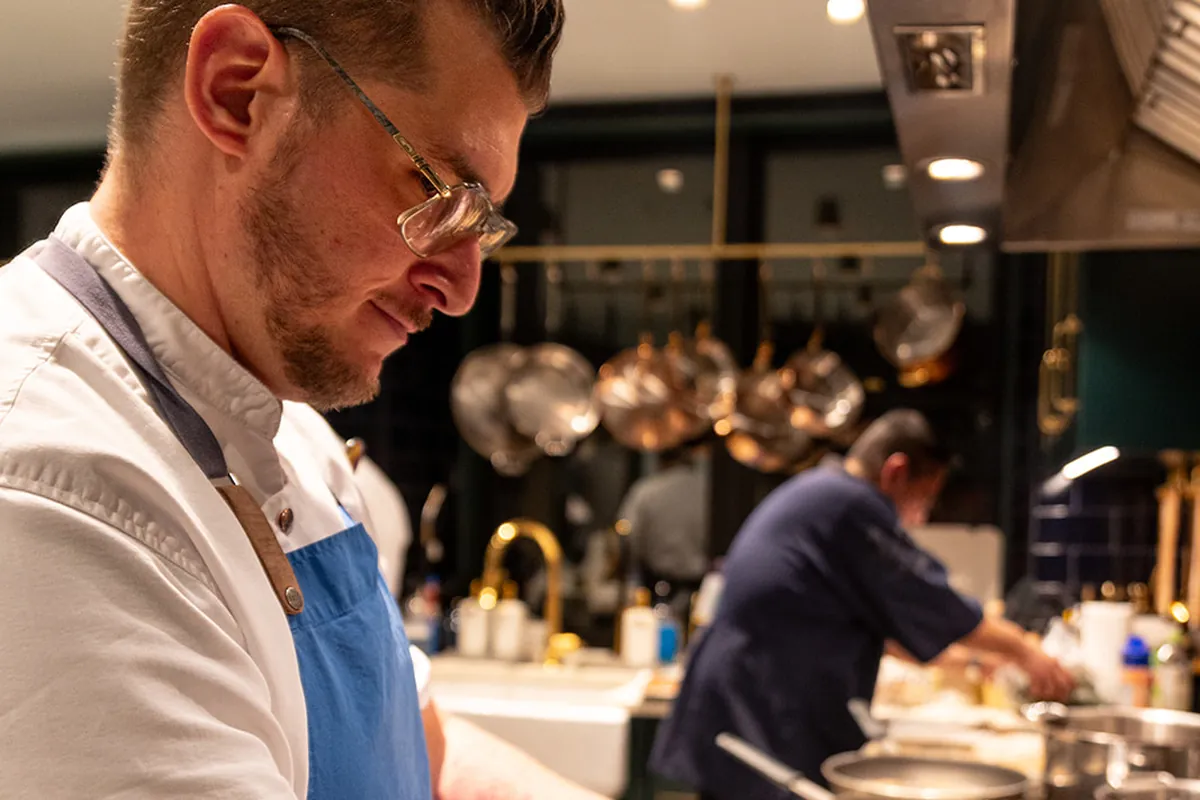
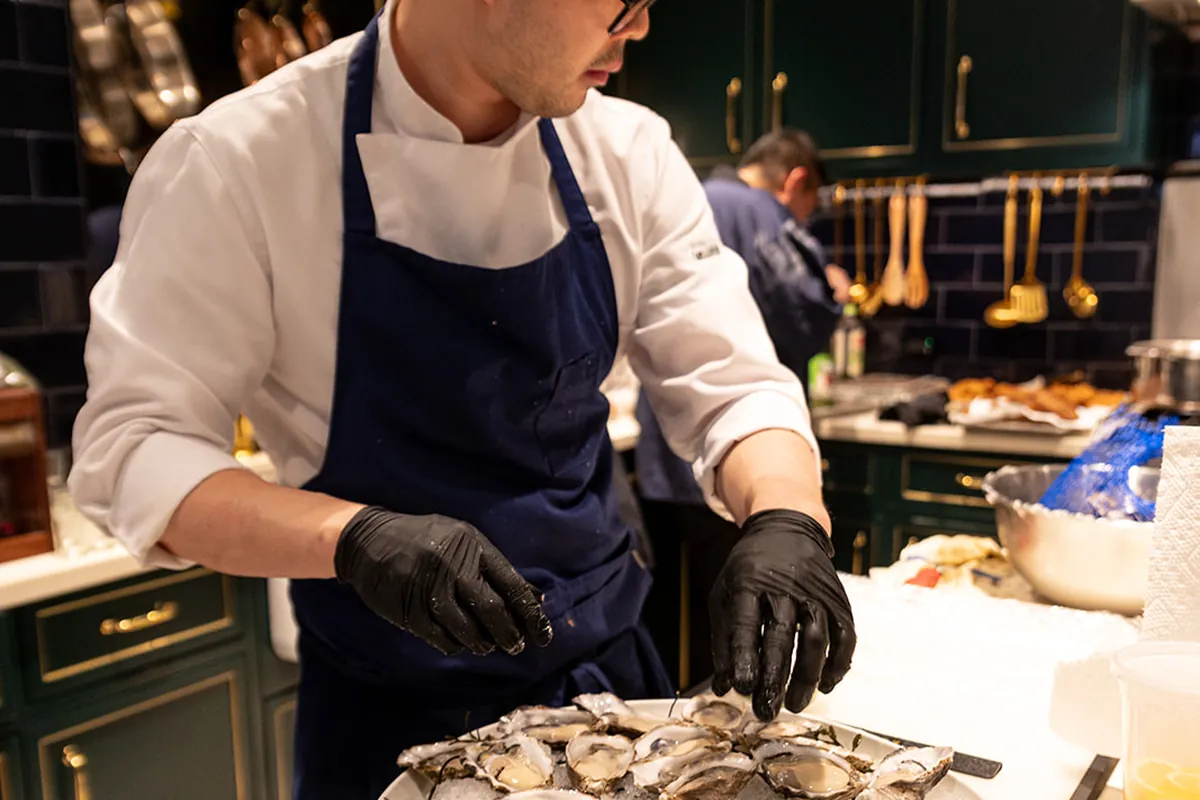
When food is part of the event, regulations get more detailed. If you bring in a private chef or personal chef, make sure they follow Department of Health (DOH) standards for food safety, proper storage, and preparation. For events serving food in temporary locations, like a pop-up, you may also need a Temporary Food Service Establishment Permit. And events with live music, DJs, or amplified sound often require a Sound Device Permit from the NYPD, with additional approvals sometimes needed for performances or live entertainment depending on the venue type.

Venue Restrictions and Compliance

Each NYC venue comes with its own rules, sometimes even stricter than the city's baseline regulations. Understanding these early in the planning process can prevent major headaches later.

Every space in NYC is rated for a maximum occupancy, and the FDNY enforces strict fire safety rules, so occupancy limits should never be exceeded. Some venues also require a Fire Guard request if open flames, like candles or portable stoves, are part of the setup. In residential neighborhoods, NYC's Noise Code restricts music and amplified sound after certain hours, and outdoor events in particular should pay close attention to curfews, since violating them can lead to fines or an event getting shut down early.

Most venues also require General Liability Insurance for events, often with the venue named as an additional insured party, protecting both the organizer and the venue in the event of damage or injury. And when food is involved, venue kitchens often come with their own policies. Some locations allow only pre-approved caterers, while others welcome outside chefs as long as they meet health and insurance standards. If you're planning to hire a private chef, confirm upfront that they're licensed, insured, and comfortable operating within the venue's specific limitations.

NYC Event Permits at a Glance
Permit Issuing Agency Needed For
Street Activity Permit CECM Public space events, street fairs, block parties.
One Day Alcohol Event Permit NY State Liquor Authority Serving beer, wine, cider, or liquor at an event.
Temporary Food Service Permit Dept. of Health (DOH) Serving food at pop-ups or temporary locations.
Sound Device Permit NYPD Live music, DJs, or amplified sound.
Fire Guard Request FDNY Open flames like candles or portable stoves.

Permit names and issuing agencies as of NYC and NY State guidance current at publication. Confirm current requirements directly with each agency before your event.

Working with a Private or Personal Chef in NYC

Food plays a central role in most NYC events, and hiring a private chef or personal chef can elevate the entire experience. It's essential, though, to make sure your culinary team complies with both city standards and venue expectations.

Professional chefs working private events should hold valid Food Protection Certificates and follow DOH-approved handling procedures. Gradito's network of chefs, for example, is built around meeting these safety and certification requirements as a baseline. Not every venue has a full kitchen either, especially at galleries, lofts, or outdoor spaces. A skilled private chef can adapt to portable equipment setups and still deliver a world-class dining experience, but it's worth discussing available utilities, ventilation, and prep space well in advance.

Working with a personal chef also lets you build menus tailored to dietary needs, event themes, or seasonal ingredients. Whether you want a formal plated dinner, a family-style feast, or a modern tasting menu, NYC's culinary talent pool can generally deliver on just about any concept. Your private chef often works alongside florists, rental teams, and beverage services too, so clear communication among all vendors matters, especially around delivery schedules and access times, since NYC buildings and event spaces often have strict load-in and load-out windows.
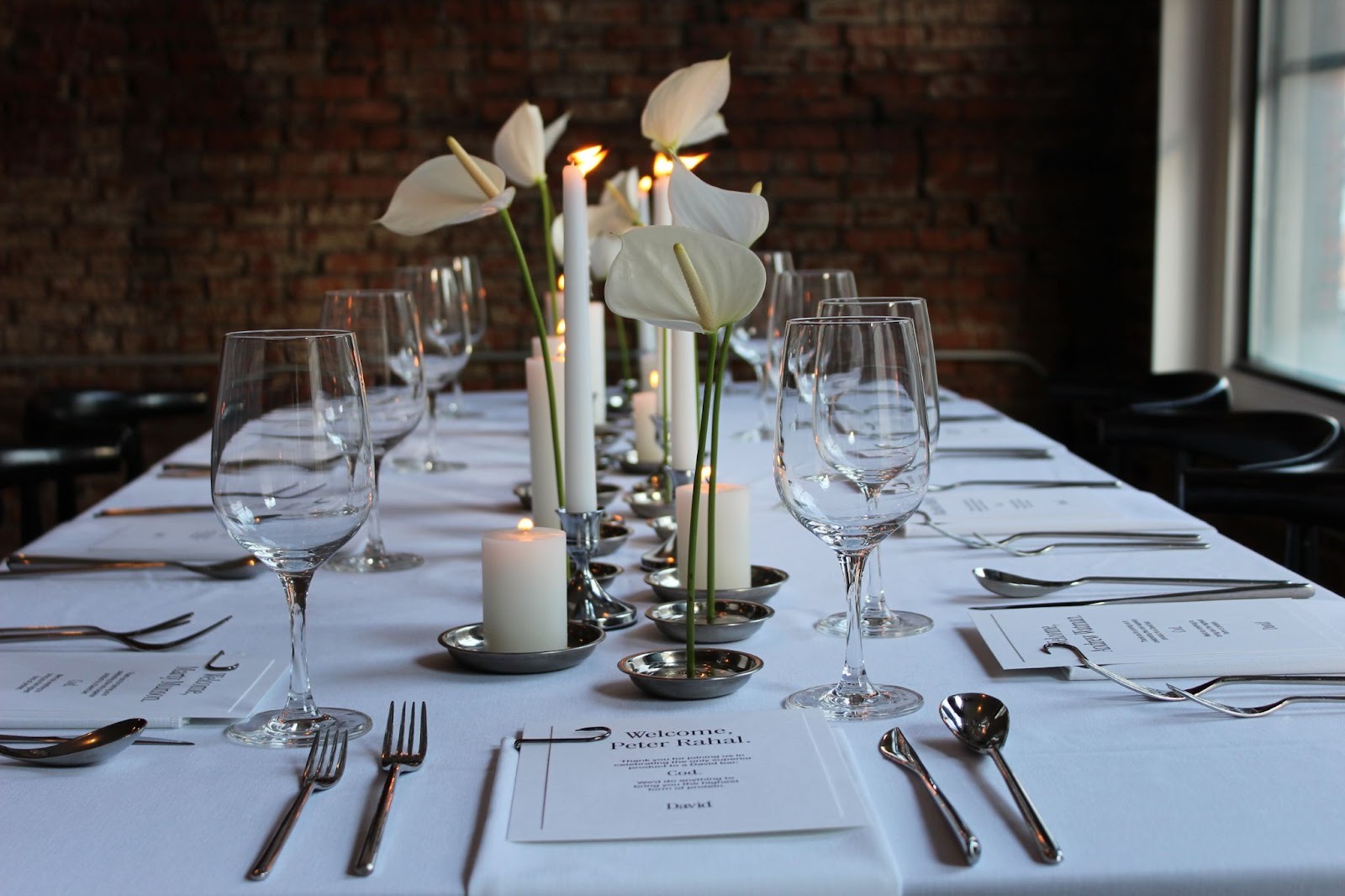
Navigating Health, Waste, and Sustainability Regulations

Sustainability has become a growing focus in NYC event planning, and the city has several environmental rules that affect organizers directly. Organizers of large-scale events are encouraged to reduce waste by offering composting and recycling options, and some venues actually require a waste management plan as part of booking.

Single-use plastics are also being phased out across New York, so plastic straws, utensils, and containers are worth avoiding where possible. Many private chefs and caterers already default to eco-friendly alternatives as a matter of course. And leftover food from an event doesn't have to go to waste either. NYC encourages donation partnerships with organizations like City Harvest and Rethink Food, which help reduce food waste while feeding communities that need it.

Common Mistakes NYC Event Organizers Should Avoid

Even seasoned professionals run into issues navigating NYC's complex event system. A few mistakes come up more often than others.

Skipping permit applications until the last minute is a common one, since many permits take weeks to process. Assuming a venue handles everything is another, when it's always worth confirming exactly what's covered versus what the organizer needs to provide directly. Hiring unlicensed vendors or chefs can lead to shutdowns or insurance issues down the line, and ignoring noise, parking, or street closure restrictions can attract real fines. Even small details matter, since NYC inspectors tend to notice everything, from fire extinguisher placement to restroom access.

How Gradito Simplifies Event Planning in NYC

Navigating NYC's event landscape doesn't have to feel overwhelming. Gradito simplifies the process by connecting organizers with private chefs, event professionals, and hospitality experts who understand the city's specific regulations and standards.

Gradito's team works behind the scenes to make an event feel effortless, from sourcing talented chefs to managing logistics that comply with NYC's requirements. Whether you're hosting a rooftop cocktail night, a luxury penthouse dinner, or an intimate wedding, Gradito handles every detail, from food safety to permits, with real professionalism and care.

If you're looking to hire a private chef in NYC who can execute a flawless menu while staying within city codes, Gradito is a strong partner to work with. Each personal chef in the network brings Michelin-level experience, proper certification, and a real understanding of what makes New York dining special. You can explore Gradito's NYC private chef network, browse Gradito's private chef experiences, or read more about why NYC companies are choosing chef-led corporate event planners for the corporate side of event planning.

Planning an event in New York City takes creativity, patience, and a solid understanding of permits, venue rules, and health codes. With the right approach and the right partners, it's entirely possible to create an extraordinary experience that's both compliant and genuinely memorable. From securing liquor and sound permits to coordinating with a licensed private chef, every detail matters, and following this guide should leave you ready to navigate the city's event scene with real confidence.

Sean Kommer of Gradito posing for a picture
Sean Kommer

Sean Kommer is the founder of Gradito, New York's premier private chef marketplace, and brings over 15 years of firsthand experience working in some of the world's most acclaimed Michelin-starred kitchens. His culinary career has taken him inside three-hat Tetsuya's in Sydney, two-star Disfrutar in Barcelona, and one-star Shiosaka in Tokyo, giving him a rare, ground-level perspective on fine dining across multiple continents. An avid traveler and student of food culture, Sean immersed himself in Italy's hospitality traditions before channeling that passion into Gradito, a platform that connects discerning clients with trusted private chefs across the U.S. His writing draws on decades of real-world kitchen expertise, cross-cultural culinary study, and entrepreneurial experience building a vetted chef network from the ground up.

Founder of Gradito

From a recent Gradito dinner

This menu was served at a private dinner in New York last month.

Reserve your own evening — same chef, your menu, your home.

NYC Event Organizer Guide: Navigating Permits, Regulations & Venue Restrictions

July 8, 2026

NYC offers endless possibilities, but also a maze of permits, regulations, and venue restrictions that every event organizer has to navigate carefully. From food permits to sound ordinances, understanding the city's rules is key to pulling off a seamless event.

This guide breaks down what every NYC event organizer needs to know about planning within the city's guidelines, plus how working with experts like Gradito can make the process easier, especially when you need to hire a private chef or coordinate catering in a compliant way.

Understanding NYC Event Permits

One of the first steps to planning an event in New York is figuring out which permits you'll actually need. Different event types and venues come with their own requirements, and a few main categories are worth understanding upfront.

Outdoor events, street fairs, or large gatherings in public space typically require a Street Activity Permit, coordinated through the Mayor's Office of Citywide Event Coordination and Management (CECM). This applies to block parties, festivals, or any event using sidewalks, plazas, or parks.

If alcohol is part of the plan, you'll need a One Day Alcohol Event Permit from the New York State Liquor Authority (SLA). As of a recent state budget update, this permit category now covers beer, wine, cider, and liquor rather than just beer and wine, so it's worth checking the current rules directly rather than assuming an older permit name still applies. Keep in mind that some venues already hold their own liquor licenses, so it's worth checking before applying separately.

When food is part of the event, regulations get more detailed. If you bring in a private chef or personal chef, make sure they follow Department of Health (DOH) standards for food safety, proper storage, and preparation. For events serving food in temporary locations, like a pop-up, you may also need a Temporary Food Service Establishment Permit. And events with live music, DJs, or amplified sound often require a Sound Device Permit from the NYPD, with additional approvals sometimes needed for performances or live entertainment depending on the venue type.

Venue Restrictions and Compliance

Each NYC venue comes with its own rules, sometimes even stricter than the city's baseline regulations. Understanding these early in the planning process can prevent major headaches later.

Every space in NYC is rated for a maximum occupancy, and the FDNY enforces strict fire safety rules, so occupancy limits should never be exceeded. Some venues also require a Fire Guard request if open flames, like candles or portable stoves, are part of the setup. In residential neighborhoods, NYC's Noise Code restricts music and amplified sound after certain hours, and outdoor events in particular should pay close attention to curfews, since violating them can lead to fines or an event getting shut down early.

Most venues also require General Liability Insurance for events, often with the venue named as an additional insured party, protecting both the organizer and the venue in the event of damage or injury. And when food is involved, venue kitchens often come with their own policies. Some locations allow only pre-approved caterers, while others welcome outside chefs as long as they meet health and insurance standards. If you're planning to hire a private chef, confirm upfront that they're licensed, insured, and comfortable operating within the venue's specific limitations.

NYC Event Permits at a Glance
Permit Issuing Agency Needed For
Street Activity Permit CECM Public space events, street fairs, block parties.
One Day Alcohol Event Permit NY State Liquor Authority Serving beer, wine, cider, or liquor at an event.
Temporary Food Service Permit Dept. of Health (DOH) Serving food at pop-ups or temporary locations.
Sound Device Permit NYPD Live music, DJs, or amplified sound.
Fire Guard Request FDNY Open flames like candles or portable stoves.

Permit names and issuing agencies as of NYC and NY State guidance current at publication. Confirm current requirements directly with each agency before your event.

Working with a Private or Personal Chef in NYC

Food plays a central role in most NYC events, and hiring a private chef or personal chef can elevate the entire experience. It's essential, though, to make sure your culinary team complies with both city standards and venue expectations.

Professional chefs working private events should hold valid Food Protection Certificates and follow DOH-approved handling procedures. Gradito's network of chefs, for example, is built around meeting these safety and certification requirements as a baseline. Not every venue has a full kitchen either, especially at galleries, lofts, or outdoor spaces. A skilled private chef can adapt to portable equipment setups and still deliver a world-class dining experience, but it's worth discussing available utilities, ventilation, and prep space well in advance.

Working with a personal chef also lets you build menus tailored to dietary needs, event themes, or seasonal ingredients. Whether you want a formal plated dinner, a family-style feast, or a modern tasting menu, NYC's culinary talent pool can generally deliver on just about any concept. Your private chef often works alongside florists, rental teams, and beverage services too, so clear communication among all vendors matters, especially around delivery schedules and access times, since NYC buildings and event spaces often have strict load-in and load-out windows.

Navigating Health, Waste, and Sustainability Regulations

Sustainability has become a growing focus in NYC event planning, and the city has several environmental rules that affect organizers directly. Organizers of large-scale events are encouraged to reduce waste by offering composting and recycling options, and some venues actually require a waste management plan as part of booking.

Single-use plastics are also being phased out across New York, so plastic straws, utensils, and containers are worth avoiding where possible. Many private chefs and caterers already default to eco-friendly alternatives as a matter of course. And leftover food from an event doesn't have to go to waste either. NYC encourages donation partnerships with organizations like City Harvest and Rethink Food, which help reduce food waste while feeding communities that need it.

Common Mistakes NYC Event Organizers Should Avoid

Even seasoned professionals run into issues navigating NYC's complex event system. A few mistakes come up more often than others.

Skipping permit applications until the last minute is a common one, since many permits take weeks to process. Assuming a venue handles everything is another, when it's always worth confirming exactly what's covered versus what the organizer needs to provide directly. Hiring unlicensed vendors or chefs can lead to shutdowns or insurance issues down the line, and ignoring noise, parking, or street closure restrictions can attract real fines. Even small details matter, since NYC inspectors tend to notice everything, from fire extinguisher placement to restroom access.

How Gradito Simplifies Event Planning in NYC

Navigating NYC's event landscape doesn't have to feel overwhelming. Gradito simplifies the process by connecting organizers with private chefs, event professionals, and hospitality experts who understand the city's specific regulations and standards.

Gradito's team works behind the scenes to make an event feel effortless, from sourcing talented chefs to managing logistics that comply with NYC's requirements. Whether you're hosting a rooftop cocktail night, a luxury penthouse dinner, or an intimate wedding, Gradito handles every detail, from food safety to permits, with real professionalism and care.

If you're looking to hire a private chef in NYC who can execute a flawless menu while staying within city codes, Gradito is a strong partner to work with. Each personal chef in the network brings Michelin-level experience, proper certification, and a real understanding of what makes New York dining special. You can explore Gradito's NYC private chef network, browse Gradito's private chef experiences, or read more about why NYC companies are choosing chef-led corporate event planners for the corporate side of event planning.

Planning an event in New York City takes creativity, patience, and a solid understanding of permits, venue rules, and health codes. With the right approach and the right partners, it's entirely possible to create an extraordinary experience that's both compliant and genuinely memorable. From securing liquor and sound permits to coordinating with a licensed private chef, every detail matters, and following this guide should leave you ready to navigate the city's event scene with real confidence.

Sean Kommer of Gradito posing for a picture
Sean Kommer

Sean Kommer is the founder of Gradito, New York's premier private chef marketplace, and brings over 15 years of firsthand experience working in some of the world's most acclaimed Michelin-starred kitchens. His culinary career has taken him inside three-hat Tetsuya's in Sydney, two-star Disfrutar in Barcelona, and one-star Shiosaka in Tokyo, giving him a rare, ground-level perspective on fine dining across multiple continents. An avid traveler and student of food culture, Sean immersed himself in Italy's hospitality traditions before channeling that passion into Gradito, a platform that connects discerning clients with trusted private chefs across the U.S. His writing draws on decades of real-world kitchen expertise, cross-cultural culinary study, and entrepreneurial experience building a vetted chef network from the ground up.

Founder of Gradito
Stay up to date with all of the latest happenings and things to do in the world of food and drinks.
Thank you! Your submission has been received!
Oops! Something went wrong while submitting the form.
Blog

The Latest & Greatest

A private chef making a meal for a client

Private Chef Meal Prep Vs. Meal Delivery Kits: What to Know

Compare private chef meal prep with meal delivery kits. See costs, time savings, and quality to pick the best fit for your week.
A private chef cooking food in a kitchen

Signs Your UHNW Household Is Ready for a Full-Time Chef

Key signs a UHNW household is ready to hire a full-time private chef, from busy schedules to privacy and nutrition.
White close icon