



Guests remember evenings, not just meals. The right fancy dinner foods, paired with the right atmosphere and a menu that feels intentional, turn a normal dinner into something worth talking about the next day.
It is easy to assume that impressing guests means an expensive ingredient list. In practice, the dishes that actually land are the ones built around quality sourcing, careful presentation, and a menu that feels personal to the people at the table.
This is also where a lot of home cooks overcorrect. Piling on more courses or reaching for an unfamiliar ingredient rarely produces the result a host is hoping for. A shorter menu executed well almost always reads as more impressive than a long one where half the dishes feel rushed.
Below, we cover what actually makes a dish feel fancy, how presentation changes the way food is perceived, a course-by-course look at ideas worth trying, how to personalize the menu, and how to host the whole evening with less stress.
Hire a private chef with Gradito. Whether you're planning an intimate dinner, a celebration, or a corporate event, Gradito connects you with vetted private chefs in New York City.
What Makes a Dish Feel Fancy? Quality Ingredients and Atmosphere
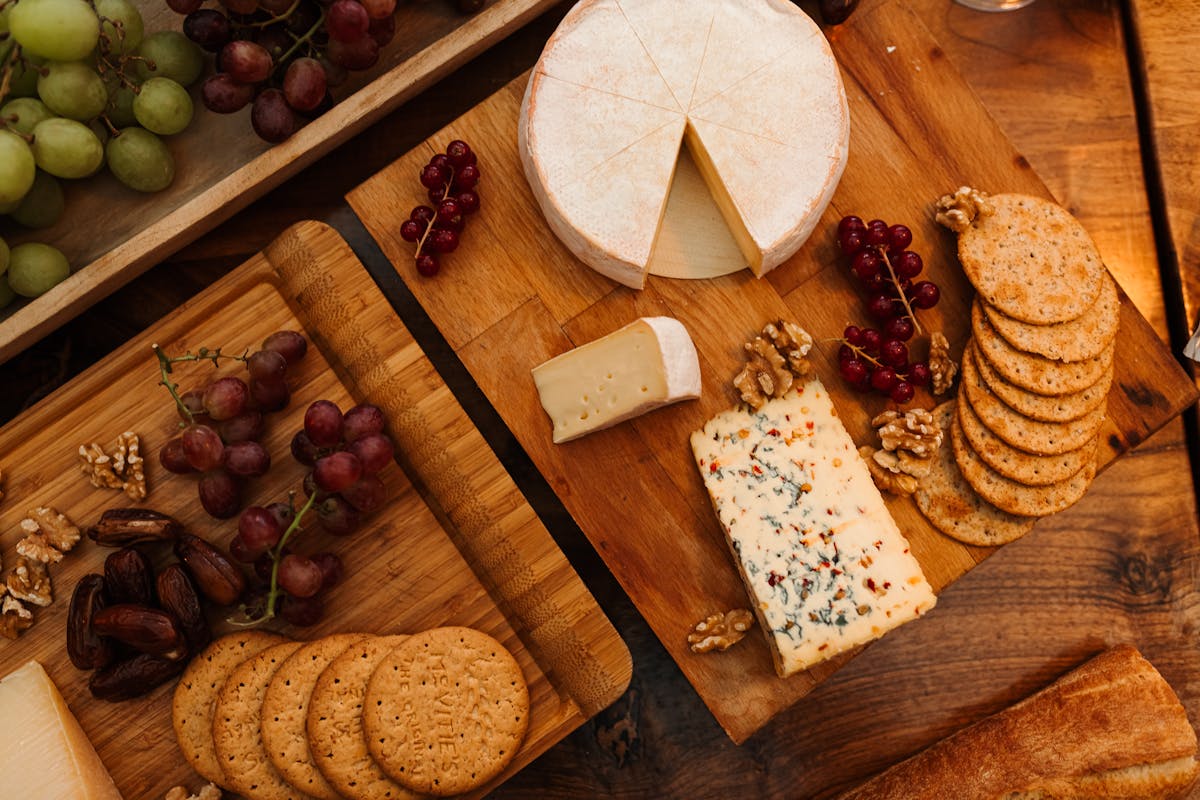
Fancy dinner foods start with sourcing, not with a complicated technique. A properly aged steak, day-boat scallops, or produce pulled from a farmers market that morning will outperform a more elaborate dish made with average ingredients almost every time. Our guide on farm-to-table seasonal chef dishes covers how seasonal sourcing shapes a menu in more detail.
Atmosphere plays a bigger role than most hosts expect. The same plate of food reads very differently under warm, low lighting with a set table than it does under bright overhead light with paper napkins. Fancy dinner ideas work best when the room supports the food rather than competing with it.
Temperature matters too, and it is one of the most overlooked details. A dish that arrives at the table lukewarm, even a technically perfect one, reads as far less impressive than a simpler dish served hot at exactly the right moment. Timing the room and the kitchen together is part of what separates a polished dinner from one that just has good ingredients.
How Presentation Turns a Good Dish Into a Memorable One
Plating is one of the fastest ways to elevate a dish without changing a single ingredient. Color contrast, negative space on the plate, and a light garnish all signal intention, the same techniques a trained chef uses to make a simple protein and vegetable look considered rather than thrown together. Our breakdown of the art of food plating goes deeper into specific techniques worth trying at home.
Flavor experience matters just as much as the visual. Layering acidity against richness, contrasting a crisp texture with something soft, and balancing a dish so no single element overwhelms the rest are the same principles professional chefs rely on, and they translate directly to gourmet dinner ideas at home.
None of this requires professional training to apply. A squeeze of citrus over a rich braised dish, a crunchy topping added just before serving, or a small reduction sauce built from pan drippings are all simple techniques that noticeably raise the perceived quality of a dish without adding much time to the process.
Fancy Dinner Foods: Course-by-Course Ideas
How to Personalize Fancy Dinner Foods for Your Guests
A menu built entirely around what looks impressive on paper can still fall flat if it ignores who is actually at the table. Personalization, accounting for dietary preferences, favorite flavors, or even a dish tied to a specific memory, is often what separates a genuinely memorable dinner from one that simply looked nice.
A short story behind a dish also goes a long way. Whether it is explaining why a specific ingredient was chosen or where a technique originated, that context turns fancy dinner foods into something guests engage with rather than just eat.
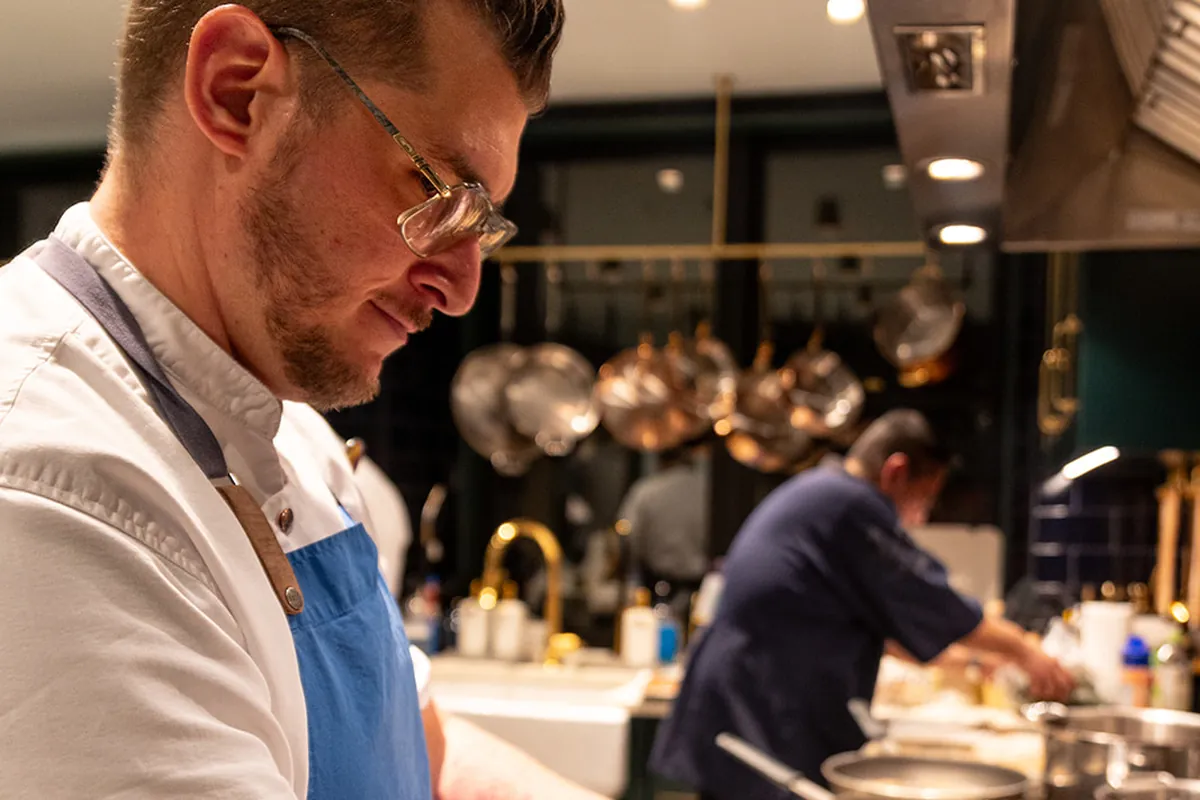
This kind of personalization is also where a private chef adds the most value beyond execution. A chef who takes the time to ask about favorite cuisines, past travel, or a specific memory a host wants to recreate can build an entire menu around that detail, turning a technically impressive dinner into one that also feels meaningful.
How to Host a Fancy Dinner with Confidence
Hosting a dinner built around fancy dinner foods does not have to mean spending the entire night in the kitchen. A little planning ahead of time makes the difference between a host who is present for the evening and one who is stuck plating the next course while guests wait.
- Choose a menu with no more than one or two labor-intensive dishes per course
- Prep sauces, garnishes, and anything that holds well in advance
- Plan the serving order so courses can come out without long gaps
- Consider a private chef for anything beyond a simple two or three course meal
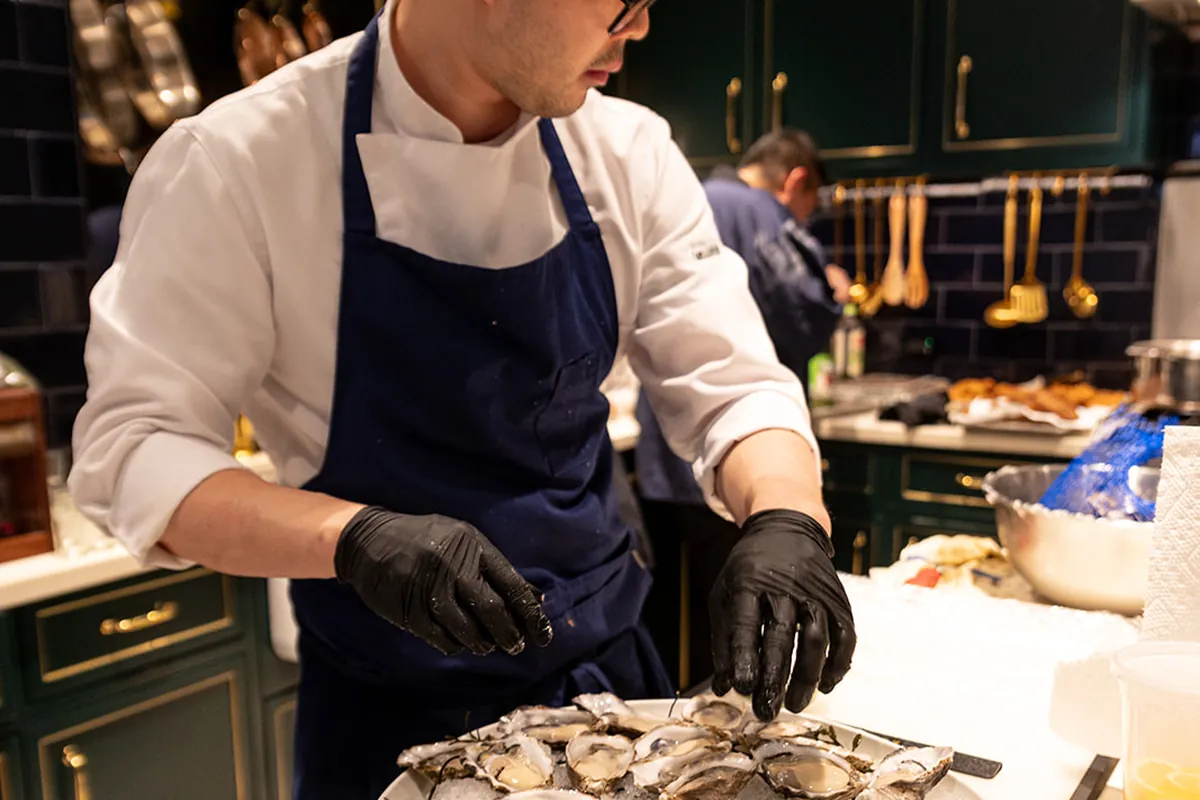
Bringing in a private chef removes this entire problem. Instead of managing timing and plating alone, the host gets to actually enjoy the fancy dinner foods alongside their guests.
For hosts who want the full experience without the prep work, this is often the simplest solution. A chef arrives with the menu already planned, handles every course from start to finish, and manages cleanup at the end, so the only job left for the host is to sit down and enjoy the meal.
Ready to book a private chef? Gradito makes it simple to find and hire a professional private chef for any occasion in New York City. From intimate dinners to large events, every experience is personalized to you.


