
What Goes Into Creating Gourmet Private Chef Meals at Home?

By:
Sean Kommer
Published on:
September 2, 2026
Published on:
8
min read

Quick Answer

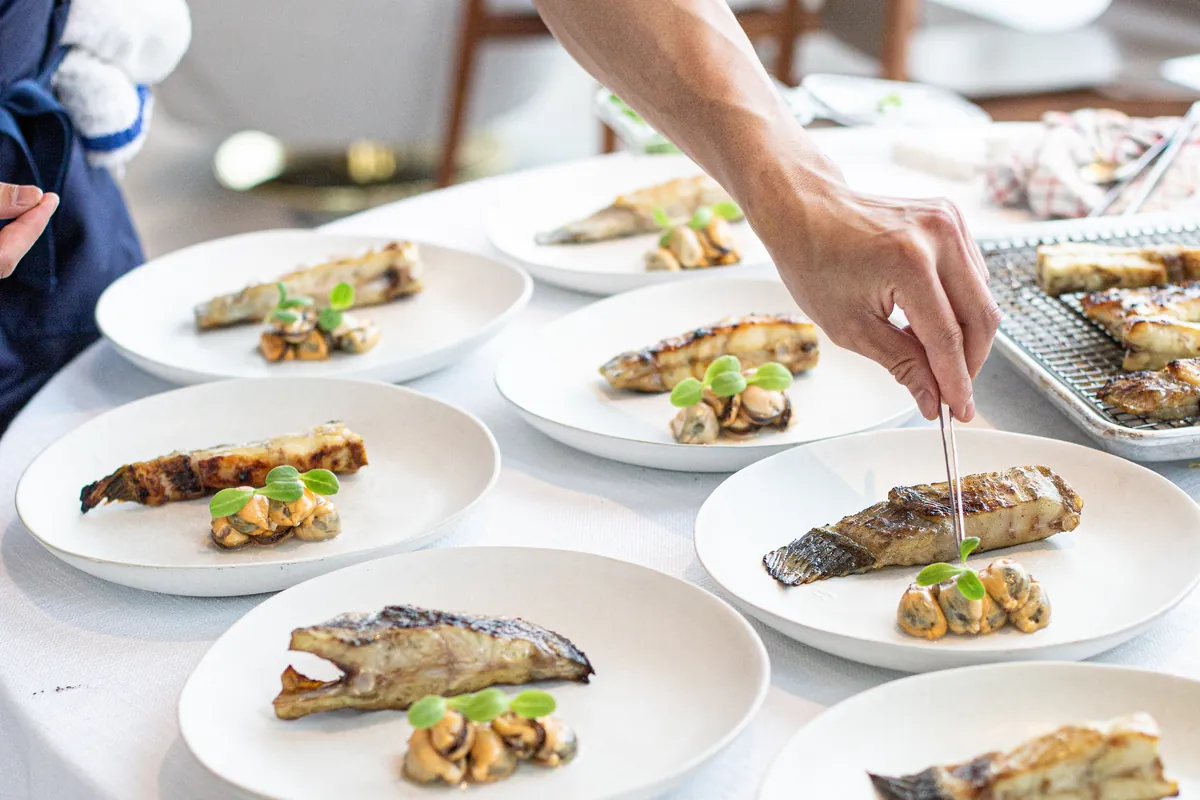
Most guests only see the final plate. What they do not see is the planning, sourcing, and timing that turns a home kitchen into a working restaurant line for one night. Private chef meals are engineered backward from the moment the first course hits the table, and every decision before that point exists to protect that moment.

The gap between a home-cooked dinner and professionally executed private chef meals is not talent alone. It is a process. A chef who cooks for private clients runs a repeatable system covering menu development, sourcing, prep sequencing, service, and cleanup, and that system is what makes the experience feel effortless to everyone in the room.

This article breaks down each stage of the private chef meals process so you know exactly what you are paying for, what to expect on the day, and how to prepare your own kitchen for it.

Hire a private chef with Gradito. Whether you're planning an intimate dinner, a celebration, or a corporate event, Gradito connects you with vetted private chefs in New York City.

It Starts With a Conversation, Not a Menu

Every set of private chef meals begins with a consultation. The chef asks what the occasion is, how many guests are coming, what everyone eats, and what nobody touches. Allergies, intolerances, religious requirements, and simple dislikes all get logged before a single dish is proposed.

That conversation also covers logistics most clients never think about. How many burners does your range have? Is there oven space, or will the dessert course need a countertop workaround? Where will plating happen? A chef planning gourmet meals at home has to design a menu your kitchen can physically execute.

Chefs planning private chef meals push for specifics here. "No seafood" is useful. "No shellfish, but salmon is fine, and one guest is pregnant" is far more useful. The more detail the chef gets up front, the fewer compromises show up on the plate later.

Menu Design Is Where the Real Work Happens

Once the brief is set, the chef designs a progression of private chef meals. Courses are sequenced so flavors build rather than compete, and so the kitchen workload stays manageable across the evening. A menu with four items that all need last-minute searing is a badly designed menu, no matter how good each dish tastes on its own.

Seasonality drives most of these choices. A chef building private chef meals in October is working with squash, root vegetables, and game, not the tomatoes and stone fruit that define a July menu. Cooking in season means better flavor at a lower ingredient cost, which is why experienced chefs rarely fight the calendar.

Chefs also plan for texture and pacing. A rich braise lands better after something bright and acidic. A palate cleanser between heavy courses buys the kitchen five extra minutes. These are small decisions that guests never consciously notice but always feel.

Dietary Restrictions Are Designed In, Not Worked Around

A strong chef planning private chef meals does not build a menu and then subtract items for the guest with a restriction. They build parallel versions of the same course so that person receives a dish of equal quality, plated at the same moment as everyone else. That is the difference between accommodation and hospitality.

Sourcing: Where the Ingredients Actually Come From

Sourcing is the least visible and most expensive part of creating private chef meals. Chefs typically shop the morning of the event, working from specialty purveyors, fishmongers, butchers, and farmers markets rather than a single supermarket run.

Groceries are almost always billed separately from the chef's labor fee, which means ingredient decisions directly affect your total. Dry-aged beef, day-boat scallops, imported cheeses, and out-of-season produce all move the number. Understanding what a private chef experience actually costs before you finalize a menu keeps the budget conversation simple.

Chefs also account for shrinkage and yield. A whole fish loses roughly half its weight once broken down. Ten pounds of raw produce does not plate as ten pounds of finished food. Sourcing quantities for private chef meals are calculated from finished portions, not raw weight, which is one reason home cooks frequently over-buy and still run short.


Gradito Chefs' In-Home Meal Essentials
Service FormatTypical Price RangeWhat Drives the Cost
Weekly meal prep$30 to $60 per mealPortion count, storage needs, and repeat scheduling across the week
Five-meal prep package$250 to $400Menu variety, dietary complexity, and ingredient sourcing time
Single-course dinner$100 to $200Guest count, protein selection, and service style
Multi-course tasting$150 to $300 per personNumber of courses, plating detail, and additional kitchen staff
Special event dinner$150 to $500+Menu complexity, premium ingredients, and event length
  

What the Day Actually Looks Like

The execution of private chef meals follows a tight timeline. A chef arriving four hours before service is not padding the schedule. They are working through a sequence that has to land in order.

  1. Arrive and assess the kitchen, then unpack and organize ingredients by course
  2. Complete long-lead prep such as stocks, braises, doughs, and sauces
  3. Break down proteins and finish all knife work before guests arrive
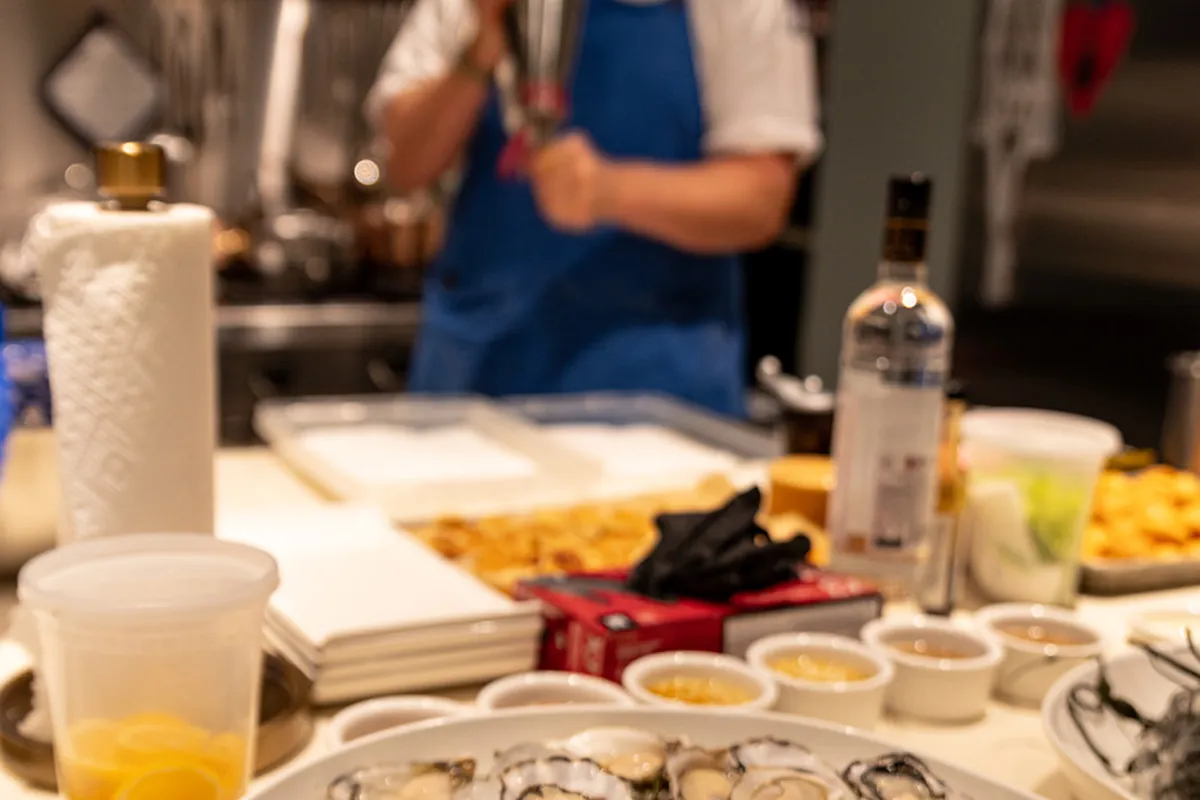
  4. Stage plating stations, garnishes, and serving pieces within reach
  5. Fire each course to the table, then clean the kitchen fully before leaving

That last step matters more than most clients expect. A professional leaves your kitchen cleaner than they found it, with pans washed, surfaces wiped, and leftovers packed and labeled. A private chef dinner at home that ends with you facing a sink full of dishes was not a complete service.

Guests also benefit from knowing the basic rhythm of the evening. If you have never hosted one, what a private dining experience includes from first course to cleanup is worth reading before you book.

Technique Is the Part You Cannot Buy at the Store

Ingredients get most of the credit, but technique is what separates gourmet meals at home from good home cooking. Proper searing, accurate seasoning at every stage, temperature control, and consistent knife work compound across a menu. Small execution gains on five courses add up to a night that feels categorically different.

Equipment plays a smaller role in private chef meals than people assume. Most chefs bring their own knives, thermometers, and specialty tools, and they build menus around the equipment your kitchen already has. A modest home range in capable hands will outperform a professional setup in untrained ones every time.

Ready to book a private chef? Gradito makes it simple to find and hire a professional private chef for any occasion in New York City. From intimate dinners to large events, every experience is personalized to you.

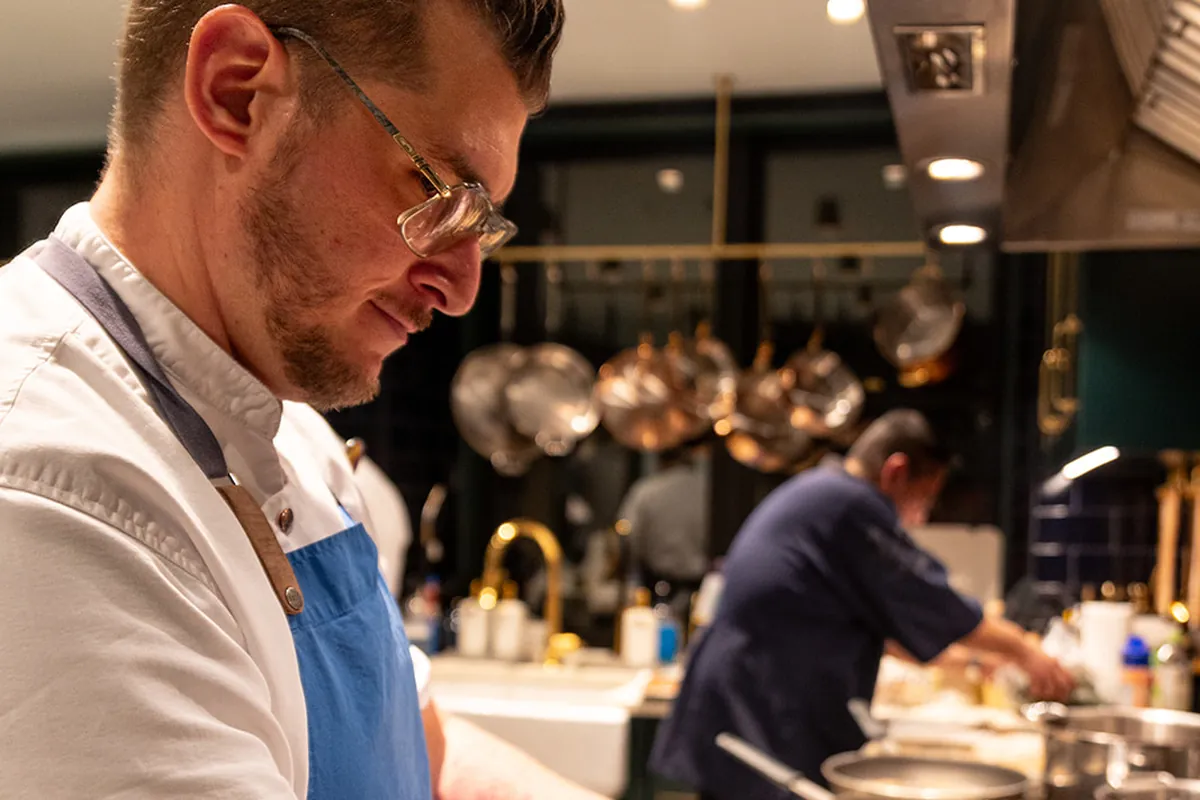
Sean Kommer of Gradito posing for a picture
Sean Kommer

Sean Kommer is the founder of Gradito, New York's premier private chef marketplace, and brings over 15 years of firsthand experience working in some of the world's most acclaimed Michelin-starred kitchens. His culinary career has taken him inside three-hat Tetsuya's in Sydney, two-star Disfrutar in Barcelona, and one-star Shiosaka in Tokyo, giving him a rare, ground-level perspective on fine dining across multiple continents. An avid traveler and student of food culture, Sean immersed himself in Italy's hospitality traditions before channeling that passion into Gradito, a platform that connects discerning clients with trusted private chefs across the U.S. His writing draws on decades of real-world kitchen expertise, cross-cultural culinary study, and entrepreneurial experience building a vetted chef network from the ground up.

Founder of Gradito

From a recent Gradito dinner

This menu was served at a private dinner in New York last month.

Reserve your own evening — same chef, your menu, your home.

FAQs

How far in advance should I book private chef meals at home?

Two to four weeks is standard for a dinner party, and six to eight weeks for holidays or peak summer dates. Simple weeknight meal prep can often be arranged with a few days of notice.

Do I need to provide the ingredients or equipment?

No. The chef sources all ingredients and brings professional knives and specialty tools. You provide the kitchen, basic cookware, serving dishes, and refrigerator space for the day of service.

How long does a private chef stay in my home?

Expect three to six hours total, depending on the menu. That covers arrival and prep, service across all courses, and a full kitchen cleanup before the chef leaves.

Can a private chef handle multiple dietary restrictions at one table?

Yes. Restrictions are collected during the consultation and designed into the menu, so every guest receives a comparable dish plated at the same time rather than a substitute course.

Is a private chef dinner at home more expensive than a restaurant?

Not always. Once you account for restaurant markups, drinks, transportation, and a private room fee for a group, an in-home tasting menu is often comparable and gives you full control over the setting.

Most guests only see the final plate. What they do not see is the planning, sourcing, and timing that turns a home kitchen into a working restaurant line for one night. Private chef meals are engineered backward from the moment the first course hits the table, and every decision before that point exists to protect that moment.

The gap between a home-cooked dinner and professionally executed private chef meals is not talent alone. It is a process. A chef who cooks for private clients runs a repeatable system covering menu development, sourcing, prep sequencing, service, and cleanup, and that system is what makes the experience feel effortless to everyone in the room.

This article breaks down each stage of the private chef meals process so you know exactly what you are paying for, what to expect on the day, and how to prepare your own kitchen for it.

Hire a private chef with Gradito. Whether you're planning an intimate dinner, a celebration, or a corporate event, Gradito connects you with vetted private chefs in New York City.

It Starts With a Conversation, Not a Menu

Every set of private chef meals begins with a consultation. The chef asks what the occasion is, how many guests are coming, what everyone eats, and what nobody touches. Allergies, intolerances, religious requirements, and simple dislikes all get logged before a single dish is proposed.

That conversation also covers logistics most clients never think about. How many burners does your range have? Is there oven space, or will the dessert course need a countertop workaround? Where will plating happen? A chef planning gourmet meals at home has to design a menu your kitchen can physically execute.

Chefs planning private chef meals push for specifics here. "No seafood" is useful. "No shellfish, but salmon is fine, and one guest is pregnant" is far more useful. The more detail the chef gets up front, the fewer compromises show up on the plate later.

Menu Design Is Where the Real Work Happens

Once the brief is set, the chef designs a progression of private chef meals. Courses are sequenced so flavors build rather than compete, and so the kitchen workload stays manageable across the evening. A menu with four items that all need last-minute searing is a badly designed menu, no matter how good each dish tastes on its own.

Seasonality drives most of these choices. A chef building private chef meals in October is working with squash, root vegetables, and game, not the tomatoes and stone fruit that define a July menu. Cooking in season means better flavor at a lower ingredient cost, which is why experienced chefs rarely fight the calendar.

Chefs also plan for texture and pacing. A rich braise lands better after something bright and acidic. A palate cleanser between heavy courses buys the kitchen five extra minutes. These are small decisions that guests never consciously notice but always feel.

Dietary Restrictions Are Designed In, Not Worked Around

A strong chef planning private chef meals does not build a menu and then subtract items for the guest with a restriction. They build parallel versions of the same course so that person receives a dish of equal quality, plated at the same moment as everyone else. That is the difference between accommodation and hospitality.

Sourcing: Where the Ingredients Actually Come From

Sourcing is the least visible and most expensive part of creating private chef meals. Chefs typically shop the morning of the event, working from specialty purveyors, fishmongers, butchers, and farmers markets rather than a single supermarket run.

Groceries are almost always billed separately from the chef's labor fee, which means ingredient decisions directly affect your total. Dry-aged beef, day-boat scallops, imported cheeses, and out-of-season produce all move the number. Understanding what a private chef experience actually costs before you finalize a menu keeps the budget conversation simple.

Chefs also account for shrinkage and yield. A whole fish loses roughly half its weight once broken down. Ten pounds of raw produce does not plate as ten pounds of finished food. Sourcing quantities for private chef meals are calculated from finished portions, not raw weight, which is one reason home cooks frequently over-buy and still run short.


Gradito Chefs' In-Home Meal Essentials
Service FormatTypical Price RangeWhat Drives the Cost
Weekly meal prep$30 to $60 per mealPortion count, storage needs, and repeat scheduling across the week
Five-meal prep package$250 to $400Menu variety, dietary complexity, and ingredient sourcing time
Single-course dinner$100 to $200Guest count, protein selection, and service style
Multi-course tasting$150 to $300 per personNumber of courses, plating detail, and additional kitchen staff
Special event dinner$150 to $500+Menu complexity, premium ingredients, and event length
  

What the Day Actually Looks Like

The execution of private chef meals follows a tight timeline. A chef arriving four hours before service is not padding the schedule. They are working through a sequence that has to land in order.

  1. Arrive and assess the kitchen, then unpack and organize ingredients by course
  2. Complete long-lead prep such as stocks, braises, doughs, and sauces
  3. Break down proteins and finish all knife work before guests arrive
  4. Stage plating stations, garnishes, and serving pieces within reach
  5. Fire each course to the table, then clean the kitchen fully before leaving

That last step matters more than most clients expect. A professional leaves your kitchen cleaner than they found it, with pans washed, surfaces wiped, and leftovers packed and labeled. A private chef dinner at home that ends with you facing a sink full of dishes was not a complete service.

Guests also benefit from knowing the basic rhythm of the evening. If you have never hosted one, what a private dining experience includes from first course to cleanup is worth reading before you book.

Technique Is the Part You Cannot Buy at the Store

Ingredients get most of the credit, but technique is what separates gourmet meals at home from good home cooking. Proper searing, accurate seasoning at every stage, temperature control, and consistent knife work compound across a menu. Small execution gains on five courses add up to a night that feels categorically different.

Equipment plays a smaller role in private chef meals than people assume. Most chefs bring their own knives, thermometers, and specialty tools, and they build menus around the equipment your kitchen already has. A modest home range in capable hands will outperform a professional setup in untrained ones every time.

Ready to book a private chef? Gradito makes it simple to find and hire a professional private chef for any occasion in New York City. From intimate dinners to large events, every experience is personalized to you.

Sean Kommer of Gradito posing for a picture
Sean Kommer

Sean Kommer is the founder of Gradito, New York's premier private chef marketplace, and brings over 15 years of firsthand experience working in some of the world's most acclaimed Michelin-starred kitchens. His culinary career has taken him inside three-hat Tetsuya's in Sydney, two-star Disfrutar in Barcelona, and one-star Shiosaka in Tokyo, giving him a rare, ground-level perspective on fine dining across multiple continents. An avid traveler and student of food culture, Sean immersed himself in Italy's hospitality traditions before channeling that passion into Gradito, a platform that connects discerning clients with trusted private chefs across the U.S. His writing draws on decades of real-world kitchen expertise, cross-cultural culinary study, and entrepreneurial experience building a vetted chef network from the ground up.

Founder of Gradito
Stay up to date with all of the latest happenings and things to do in the world of food and drinks.
Thank you! Your submission has been received!
Oops! Something went wrong while submitting the form.
Blog

The Latest & Greatest

A burger sitting on a plate with some ketchup behind it

What Goes Into Creating Gourmet Private Chef Meals at Home?

See exactly what goes into gourmet private chef meals at home, from menu design and sourcing to service and cleanup.
A person holding a sushi platter

How A Private Sushi Chef Brings Omakase-Level Dining to Your Home

See how a private sushi chef brings omakase home, with the same technique and ingredients as top sushi counters.
White close icon