



When people begin exploring in-home dining services, one of the most common questions they ask is what truly separates a professional private chef from a personal cook. At first glance, both roles involve preparing meals in a client’s home, but the similarities often stop there.
The experience, level of service, culinary expertise, and overall value provided by a professional private chef go far beyond basic meal preparation. Understanding these differences helps homeowners, families, and hosts make a confident decision about which service best fits their lifestyle.
A professional private chef is not simply someone who cooks meals. This role represents a refined culinary profession built around hospitality, precision, creativity, and personalization. While a personal cook can be helpful in many situations, the depth of training and service offered by a professional private chef creates a dining experience that feels intentional, elevated, and seamless.
Culinary Training and Professional Background
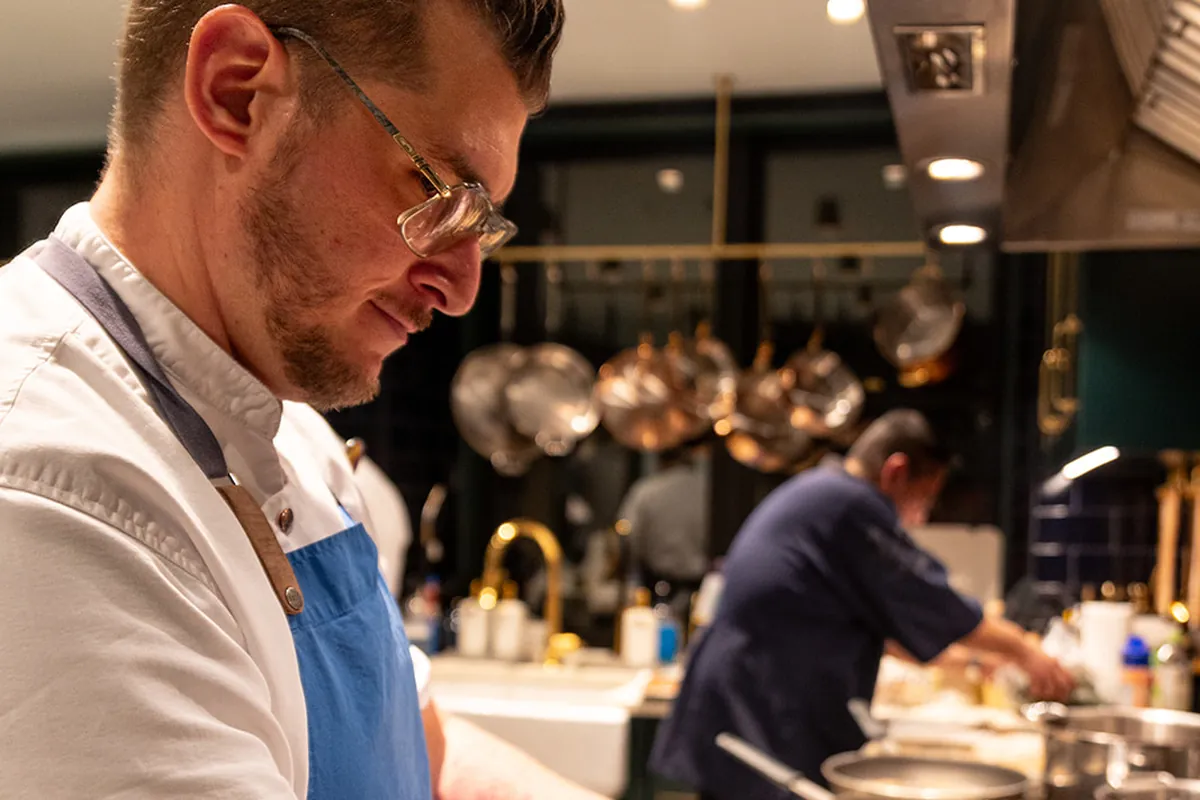
One of the most significant differences between a professional private chef and a personal cook lies in training and experience. A professional private chef typically comes from a formal culinary background.
Many have attended culinary school, trained under respected mentors, or worked in high-end restaurants where discipline and technique are essential. This foundation allows a professional private chef to approach food with a deeper understanding of flavor balance, ingredient sourcing, and advanced cooking methods.
A personal cook may have strong home cooking skills and practical experience, but they often lack exposure to professional kitchen environments. Their knowledge is usually centered around preparing familiar dishes rather than developing menus from scratch or executing refined techniques.
A professional private chef brings restaurant-level standards into a private home, applying the same attention to detail found in fine dining settings.
This difference becomes especially noticeable when hosting guests or planning special occasions. A professional private chef knows how to time courses perfectly, adjust seasoning on the fly, and adapt to unexpected challenges without disrupting the experience.
Menu Development and Customization
Menu planning is another area where the professional private chef stands apart. A professional private chef does not rely on pre set menus or routine meal rotation. Instead, they collaborate closely with clients to design menus that reflect personal tastes, dietary needs, and specific goals.
Whether the focus is wellness, indulgence, cultural cuisine, or seasonal ingredients, a professional private chef builds each menu with intention.
A personal cook often works from a limited selection of recipes and may repeat meals regularly. While this can be convenient for everyday nourishment, it lacks the creativity and personalization that define the work of a professional private chef. Clients working with a professional private chef enjoy variety, thoughtful progression across meals, and dishes that feel crafted rather than routine.
This level of customization is especially valuable for families with dietary restrictions, busy professionals with health goals, or hosts who want their meals to reflect a certain mood or theme. A professional private chef understands how to balance nutrition, flavor, and presentation without compromise.
Ingredient Selection and Quality Standards
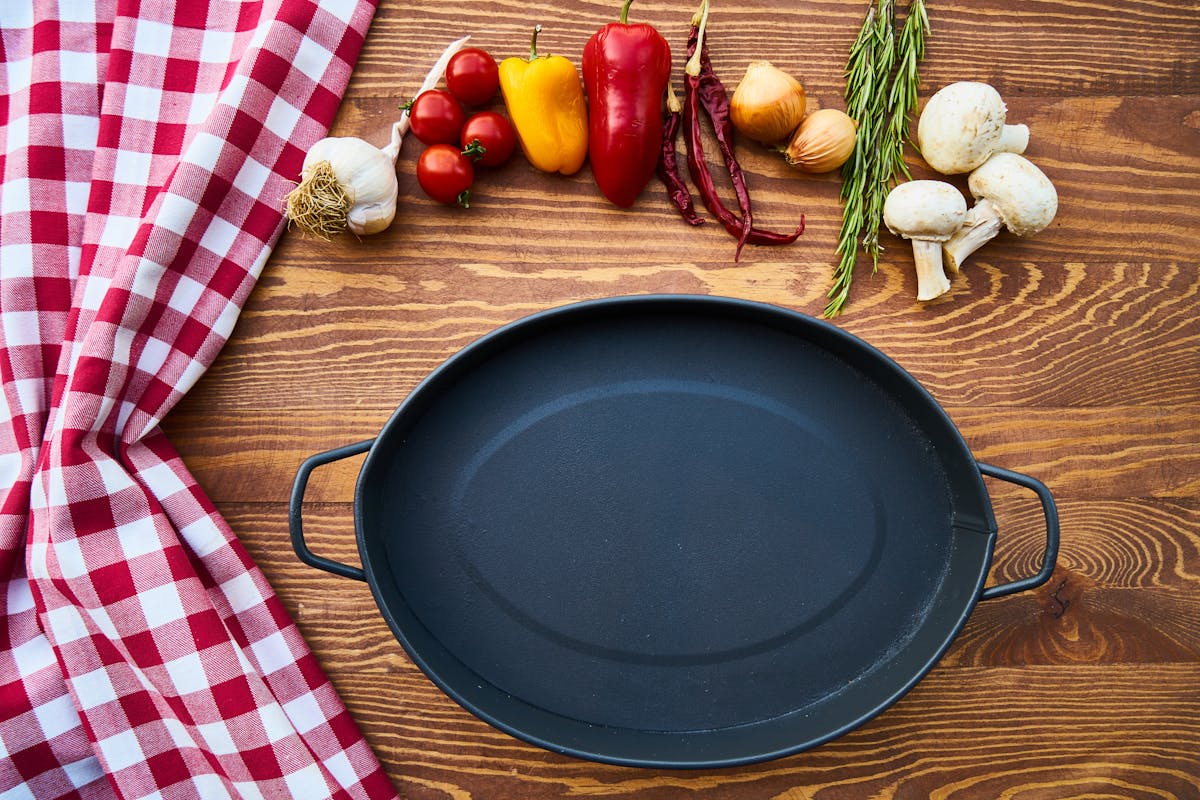
Ingredient sourcing is a core responsibility of a professional private chef. Rather than shopping solely for convenience or cost, a professional private chef prioritizes freshness, seasonality, and quality. They often have established relationships with specialty markets, local producers, and trusted suppliers. This ensures that every dish begins with ingredients that enhance both taste and nutrition.
A personal cook may purchase ingredients based on availability or familiarity, which can limit the overall quality of meals. While the food may still be satisfying, it rarely reaches the same standard achieved by a professional private chef who understands how ingredient quality impacts the final result.
This difference is subtle but powerful. A professional private chef knows how to elevate even simple dishes through superior ingredients and thoughtful preparation, turning everyday meals into something memorable.
Execution, Presentation, and Service
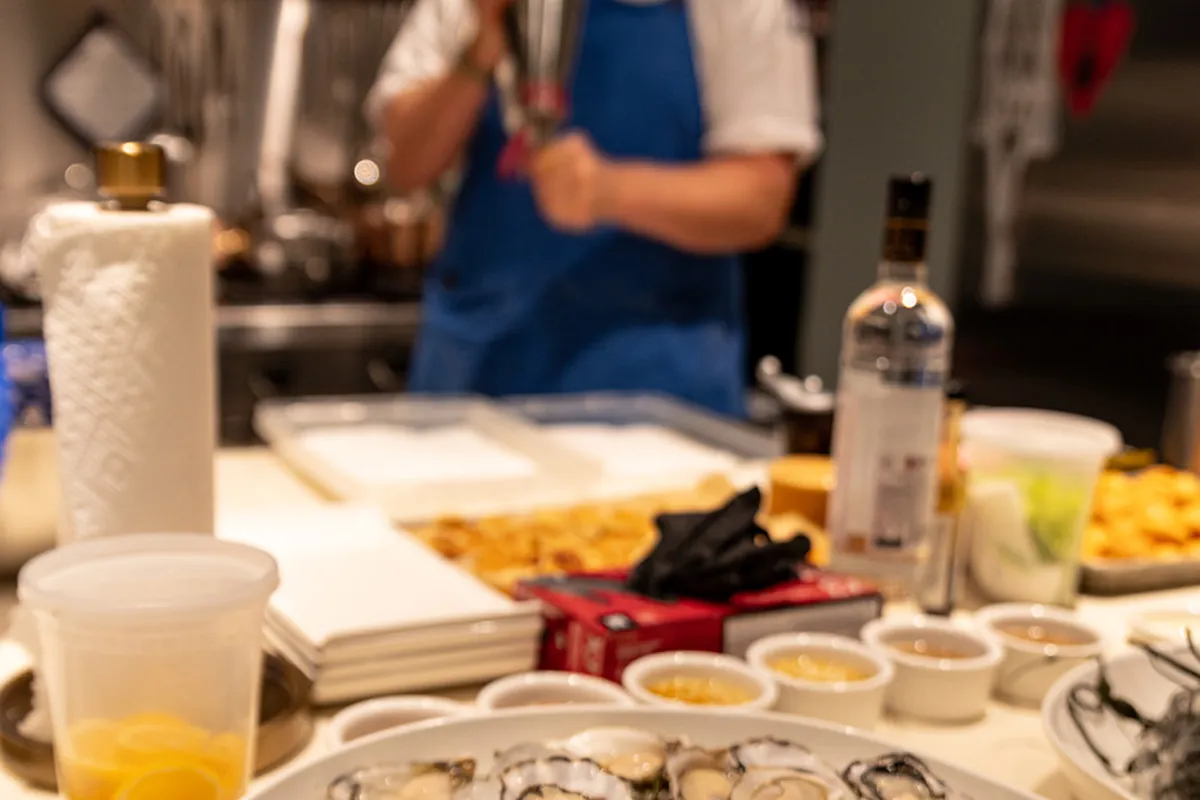
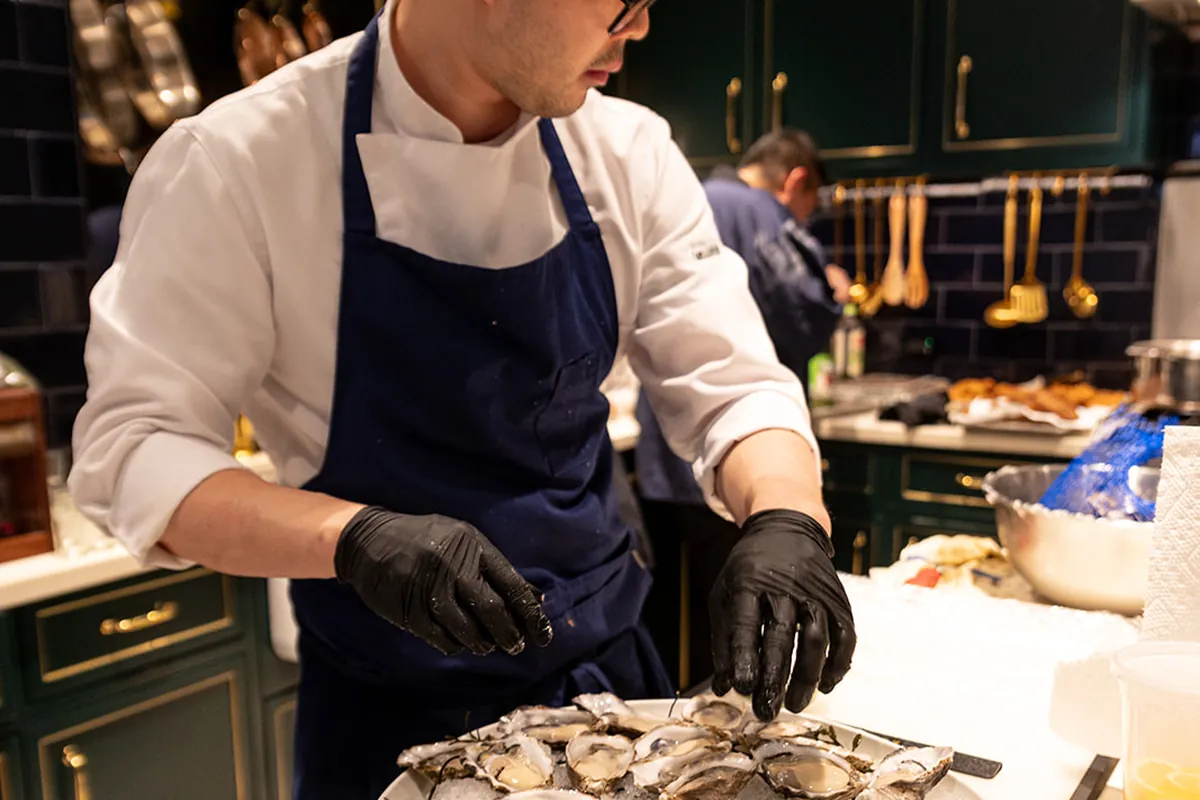
Cooking well is only part of the job for a professional private chef. Execution includes plating, pacing, and service flow. Meals are presented with care, ensuring that food looks as appealing as it tastes. A professional private chef understands that presentation shapes perception and enhances enjoyment.
A personal cook generally focuses on functionality rather than aesthetics. Meals are prepared and served efficiently, but without the refined visual elements that define a professional private chef experience. While this may be sufficient for casual meals, it does not create the sense of occasion many clients desire.
In addition to presentation, a professional private chef manages the entire kitchen experience. This includes setting up the workspace, coordinating timing, and cleaning thoroughly after service. Clients are left with a spotless kitchen and a sense that everything was handled effortlessly.
Adaptability and Problem Solving
Private homes are not commercial kitchens, and every space presents unique challenges. A professional private chef is trained to adapt quickly, whether working in a compact kitchen, an unfamiliar layout, or a vacation home with limited equipment. Years of professional experience teach a professional private chef how to adjust methods and still deliver exceptional results.
A personal cook may struggle when conditions differ from what they are used to. Without professional training, unexpected obstacles can impact the quality or timing of meals. A professional private chef remains calm, flexible, and solutions-focused, ensuring the client experience stays smooth.
This adaptability becomes especially important during events, holidays, or multi-course meals where precision matters. A professional private chef anticipates challenges before they arise and plans accordingly.
Relationship to Hospitality and Client Experience
Hospitality is at the heart of what a professional private chef provides. Beyond cooking, they create an atmosphere of care, discretion, and attentiveness. A professional private chef understands how to work quietly in the background while remaining responsive to client needs. They respect personal space, routines, and preferences while maintaining a polished professional presence.
A personal cook may not have the same level of hospitality training. Their role is often more transactional, centered on meal preparation rather than the full dining experience. While this can work for some households, many clients value the elevated service and professionalism that define a professional private chef.
This distinction is particularly noticeable in long-term arrangements. Over time, a professional private chef develops an intuitive understanding of the household, anticipating preferences and refining menus to suit evolving tastes.
Long-Term Value and Lifestyle Impact
Choosing a professional private chef is not only about food quality. It is about reclaiming time, reducing stress, and enhancing daily life. A professional private chef allows clients to focus on family, work, and personal well-being while enjoying consistently high-quality meals.
A personal cook can offer convenience, but the long term value of a professional private chef lies in their ability to integrate seamlessly into a client’s lifestyle. From supporting wellness goals to creating unforgettable dining experiences, a professional private chef delivers value that extends far beyond the kitchen.
For households that value excellence, personalization, and refined service, the difference is clear. A professional private chef transforms in-home dining into an experience that feels thoughtful, luxurious, and effortless.
Choosing the Right Fit for Your Home
Understanding what makes a professional private chef different from a personal cook empowers clients to make informed decisions. Both roles serve a purpose, but they are not interchangeable. A professional private food chef offers a level of expertise, customization, and hospitality that elevates everyday meals and special occasions alike.
For those seeking more than just food preparation, a professional private chef delivers an experience shaped by training, creativity, and genuine care. It is this combination that defines the true value of working with a professional private chef and why so many households view it as an investment in quality of life.


