




The Shift Toward Food-Centered Corporate Events in New York
In a city where every meeting, launch, and offsite competes for attention, food has become one of the most reliable ways to make a corporate event memorable. New York companies are discovering that the quality of the meal often determines whether attendees walk away energized or indifferent.
That recognition has fueled rising demand for the chef-led corporate event planner, a model that puts culinary leadership at the heart of the planning process rather than treating catering as an afterthought.
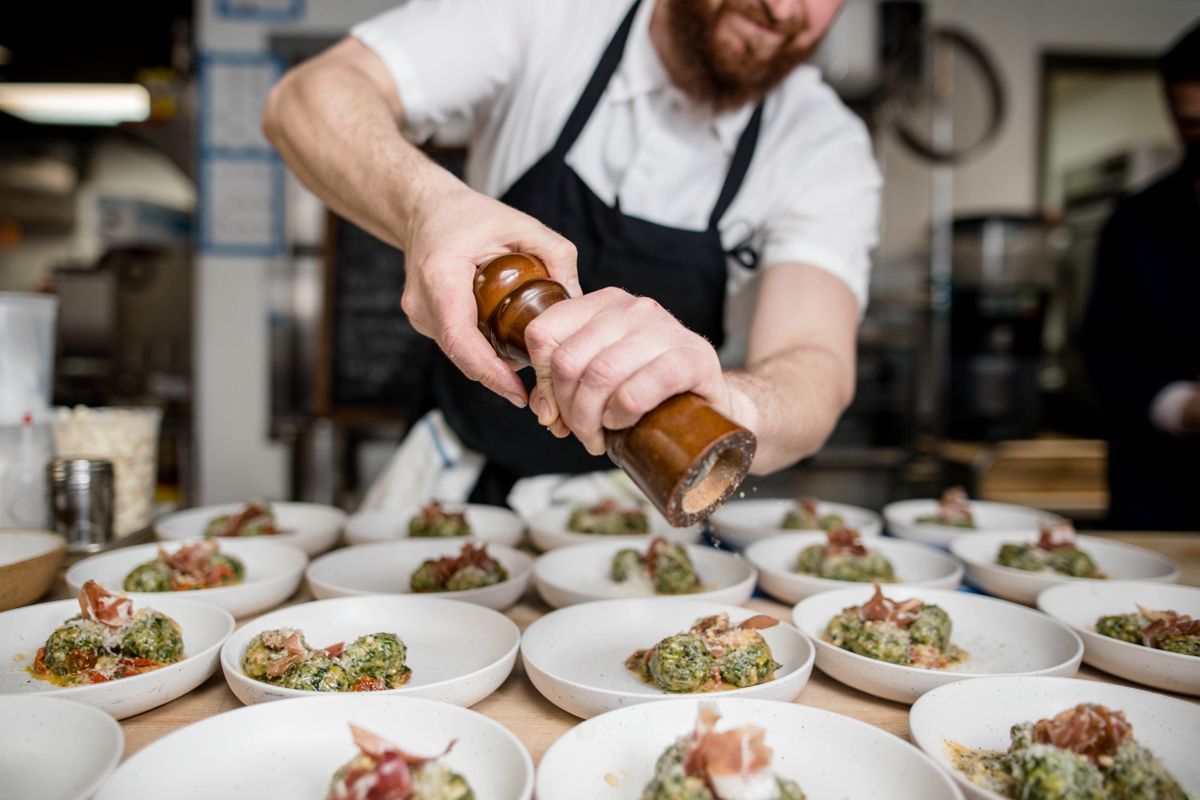
Traditional event planning firms typically coordinate vendors, source caterers, and manage timelines. A chef-led corporate event planner takes a different approach. The chef is involved from the earliest concept calls, shaping the menu, the flow of service, and the overall guest experience around what the food is meant to communicate.
For NYC companies that need their events to reflect the same level of polish as their brand, that integration matters. Industry research from PCMA and BizBash consistently shows that food and beverage is one of the highest-rated factors in attendee event satisfaction, which helps explain why companies are willing to rethink how the food gets planned in the first place.
Why Chef Leadership Changes Corporate Event Planning
The strongest reason companies are gravitating toward chef-led models is consistency. When a single culinary mind owns the food experience from concept to execution, fewer details fall through the cracks. There is no disconnect between what was promised in the proposal and what arrives on the plate.
The chef knows the dietary restrictions, the room layout, the service timing, and the brand objectives because they helped build all of it.
This kind of corporate event planning also tends to produce more original menus. Standard caterers often work from a fixed menu library because it scales easily across dozens of clients. A chef leading the event has the latitude to design something specific to the company, the season, and the audience in the room.
A fintech firm hosting a leadership dinner gets a menu that reads differently from the one a fashion brand serves at a product launch, even if both events happen in the same week. That difference is felt by attendees long after the event ends.
What NYC Companies Expect From a Modern Corporate Event Planner
New York is one of the most demanding markets for corporate hospitality in the country. Attendees here have access to top restaurants nightly, which means a corporate event has to clear a high bar to feel worth their time. Companies looking for a private chef in NYC or a corporate event planner increasingly expect three things working in concert.
The first is culinary credibility. Decision-makers want to know that the person preparing the food has real kitchen experience at the level the event requires. The second is operational reliability. NYC venues come with complicated logistics, including loading dock windows, freight elevators, building rules, and staff access requirements.
A chef who has worked the city's private event circuit knows how to navigate these without surprises. The third is design sensibility. The food, the table presentation, and the service style need to feel intentional and aligned with the company's identity.
A chef-led corporate event planner is structured to deliver all three at once. Rather than coordinating these functions across separate vendors, the chef holds them together as a single point of accountability.
The Types of NYC Corporate Events Best Served by Chef-Led Planning
Not every meeting needs a full chef-led production, but several categories of corporate events benefit significantly from the model. Executive board dinners are an obvious one. The smaller the room, the more the food matters, and the more a chef's direct involvement elevates the night.
Client entertainment dinners fall into the same category, particularly when the goal is to deepen a relationship over a meal that feels personal rather than catered.
Product launches and brand activations are another strong fit. These events often require menus that tell a story, whether that means tying flavors to a brand campaign or designing tasting moments around product reveals. A chef-led corporate event planner can build that narrative into the food in a way a generalist firm cannot.
Holiday parties, leadership off-sites, investor dinners, and milestone celebrations all sit comfortably within this model as well. Each calls for food that signals care and seriousness, which is exactly what chef-led planning is designed to deliver.
The NYC Realities Driving Companies Toward Chef Led Corporate Event Planners
New York City presents a specific set of pressures that make traditional corporate event planning harder than it has any reason to be. Restaurant reservations book out weeks in advance. Office kitchens are not built for entertaining. Clients in this market have seen every prix fixe menu in the city. Building rules limit when and how events can run. None of these challenges are unique to one industry, which is why NYC companies across finance, law, tech, and media have been quietly defaulting to chef led corporate event planners over the last several years.
The table below maps the realities specific to hosting in NYC against the workaround the traditional model offers and the cleaner answer a chef led planner provides.
The pattern across every row is that NYC raises the cost of getting corporate hospitality wrong and lowers the margin for error on every other piece. Restaurants are too saturated to surprise a sophisticated client. Office kitchens are too limited to produce real food. EA capacity is too valuable to spend on stitching vendors together.
A chef led corporate event planner removes those frictions by collapsing the entire process into a single team that owns the night from menu to breakdown. The companies that have made this shift are not abandoning restaurants or traditional catering entirely, they are simply choosing the right model for the moments that actually matter, which in this city tends to be most of them.
How Companies Are Sourcing Chef-Led Corporate Event Planners
The rise of platforms that connect companies with vetted private chefs has made this model far more accessible. NYC firms no longer need to rely on word of mouth or maintain relationships with a fixed roster of catering halls. They can hire a private chef with specific specialties for specific events, and they can do it on relatively short timelines.
For companies new to the model, the practical first step is defining what the event needs to accomplish before reaching out. A clear answer to who the audience is, what impression the company wants to leave, and what dietary considerations exist gives the chef the information needed to design something meaningful from the first conversation.
The Investment and the Return
Chef-led corporate event planning is not always cheaper than traditional catering, though it often comes in competitive once the costs of separate planning fees and event coordination are factored in. The more important question for most NYC companies is what the event returns.
A board dinner that lands well can shift the tone of an entire fiscal year. A client event that feels exceptional can move a stalled deal forward. A team celebration that genuinely impresses people pays back in retention and morale.
Companies measuring corporate hospitality this way find that the chef-led model consistently delivers a higher return per dollar spent. The food becomes the moment people remember, which is exactly what a corporate event is supposed to do.
What to Look for When Selecting a Chef-Led Corporate Event Planner
The best chef-led corporate event planners share a few traits worth screening for. They have demonstrable experience cooking at the scale and standard the event requires. They communicate clearly during the planning phase, including realistic timelines and honest input on what works for the venue and guest count.
They have a service team they trust and have worked with before, because solo culinary brilliance does not translate to a smooth event without the right floor staff. They are willing to tailor the menu rather than push a default offering. And they understand that corporate events are about the company first and the food second, even when the food is what makes the company look good.
Ready to Bring a Private Chef to Your Table?
Whether you're planning an intimate dinner at home, a milestone celebration, or a fully catered private event, Gradito makes it simple to connect with vetted chefs who match your taste, budget, and occasion. Every booking is built around your preferences, so the experience feels effortless from the first conversation to the last course.
Book a quick call with our team to talk through your vision: Schedule a 30-Minute Consultation
Planning something larger? Tell us about your event and we'll handle the rest: Submit a Private Event Inquiry
Sources
PCMA: Professional Convention Management Association Industry Research BizBash: Event and Meeting Industry Coverage


