



Why Corporate Hospitality Has Outgrown Standard Catering
Corporate hospitality used to mean a tray of sandwiches at a board meeting and a hotel ballroom dinner at the annual offsite. That bar no longer holds. Companies are competing for attention, talent, and client mindshare in markets where every detail of a guest experience is being scrutinized. The food has become one of the clearest signals a company sends about its standards, which has pushed hospitality far beyond the reach of standard catering.
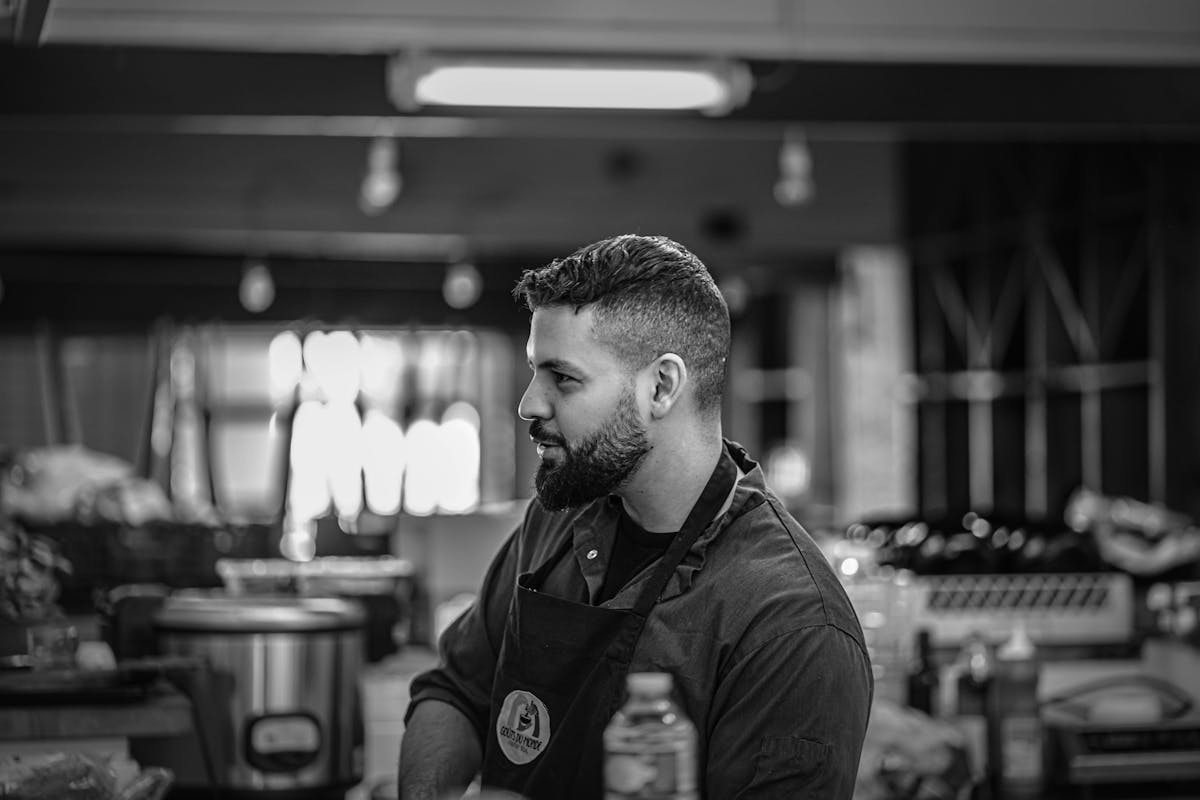
A high-end gourmet chef sits at the center of this shift. Rather than treating the meal as a logistical box to check, a gourmet chef approaches corporate hospitality as a designed experience, with the menu, ingredients, service, and presentation all working together to support the goals of the event.
Industry research from organizations like PCMA consistently shows that food and beverage quality is one of the highest-rated factors in attendee satisfaction at corporate events, which makes the choice of chef a strategic decision rather than a logistical one.
What Sets a High-End Gourmet Chef Apart
A high-end gourmet chef brings a combination of training, discipline, and creativity that standard catering kitchens cannot match. These chefs have typically spent years in top restaurants developing the techniques, instincts, and standards that define fine dining. When they take that experience into corporate hospitality, they bring everything with them, including the ingredient sourcing relationships, the precision of professional service, and the eye for detail that turns a good meal into a memorable one.
The defining qualities show up in a few specific areas. The menus are built from scratch rather than pulled from a catalog. The ingredients are premium and often seasonal, sourced specifically for the event. The cooking happens on-site whenever possible, which preserves the quality of every dish.
The service is calm, attentive, and timed to the rhythm of the event so the meal supports the day rather than competing with it. These qualities together are what transform corporate hospitality from a transactional service into a true brand experience.

Building Corporate Menus With Intention
One of the most overlooked elements of corporate hospitality is the design of the menu itself. A high-end gourmet chef does not approach a corporate menu the same way they approach a private dinner. They think about the time of day, the duration of the meeting, the energy the company wants in the room, and the practical needs of the guests. A breakfast for a strategy session looks different than a multi-course client dinner, and both look different than a celebratory event for the close of a major deal.
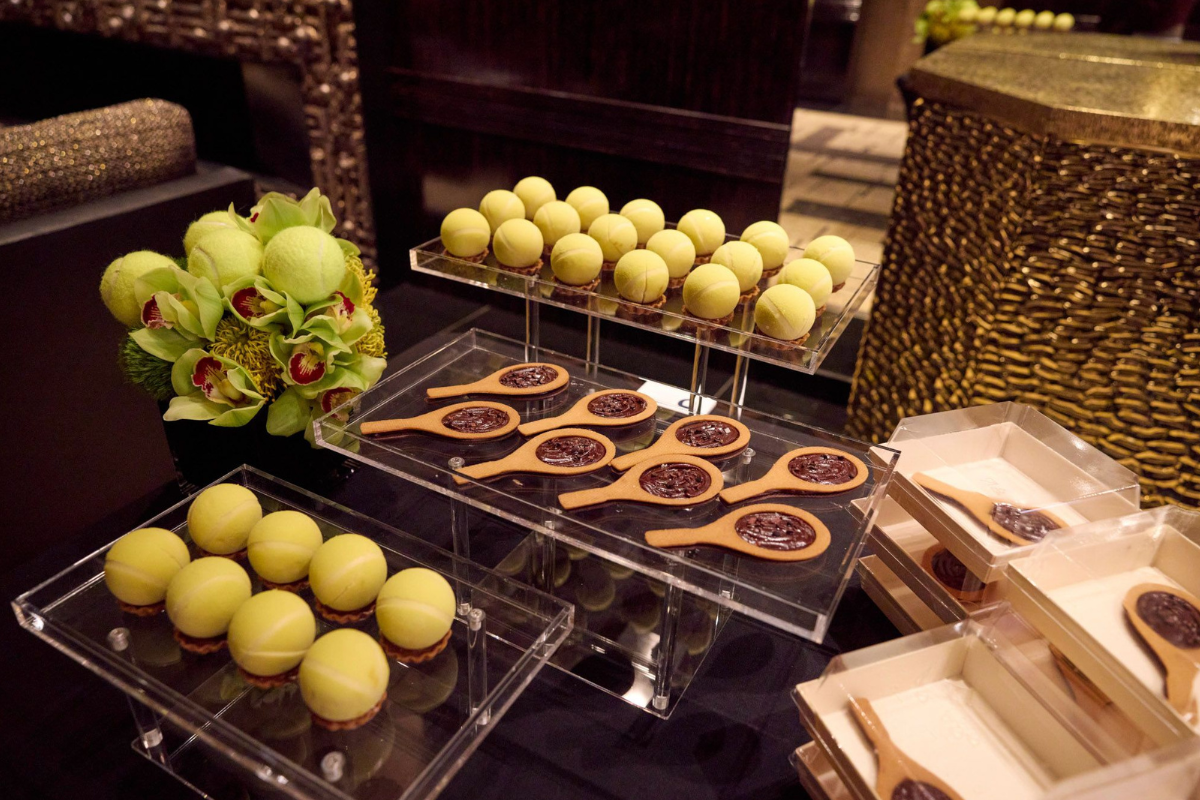
A gourmet chef brings the judgment to make these distinctions and the skill to execute them. Light, focused dishes for working sessions. Layered, refined courses for client dinners. Bold, celebratory plates for milestone events. Each menu becomes part of the company's narrative for the day, which is exactly what corporate hospitality is supposed to do.
Premium Ingredients and the Quality Ceiling
The ingredient is the ceiling. No chef, regardless of skill, can elevate a dish beyond the quality of what they are working with. High-end gourmet chefs build their menus around premium ingredients sourced from specialty purveyors, local farms, fish markets, and trusted producers.
These sourcing relationships are something most catering operations cannot replicate at scale, and the difference shows up immediately on the plate. The seasonal component matters just as much.
A gourmet chef builds menus around what is at its peak, which means dishes feel fresh and tied to the moment rather than recycled across the calendar. Coverage from culinary publications like Eater has highlighted how seasonal, ingredient-driven cooking has become a defining marker of high-end dining, and that same standard has migrated into the best corporate hospitality.
For companies looking to hire a private chef for an event that reflects this kind of ingredient story, access to vetted gourmet talent is what makes the difference between a polished idea and a polished execution.
On-Site Preparation and the Service Experience
Catering almost always involves cooking food in a commissary kitchen, holding it in transport equipment, moving it across town, and reheating or assembling it on arrival. Each of those steps takes a small toll on the food. Sauces break down. Proteins overcook. Vegetables lose their texture. Even strong catering companies are fighting against the basic physics of holding and transport.
A corporate chef for a party avoids that problem by preparing food on-site whenever the venue allows. Dishes are finished moments before they reach the guests, with the colors, aromas, and textures intact.
The service team works in coordinated rhythm with the chef, which means the pacing of the event feels natural rather than forced. Guests get a meal that feels alive, served by a team that clearly knows what it is doing, and the company hosting them gets the credit for that quality every step of the way.
The Brand Impact of Chef-Led Corporate Hospitality
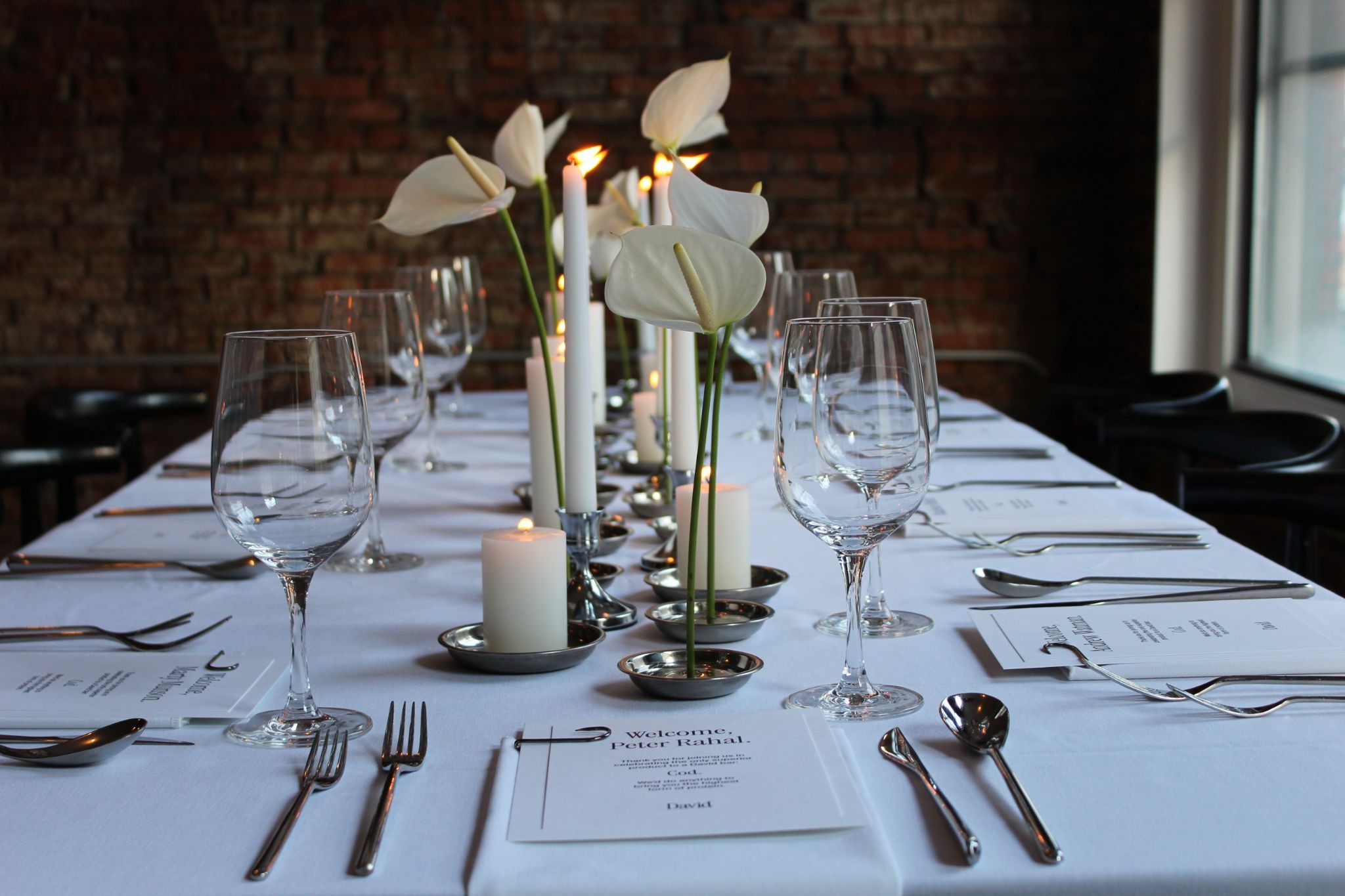
A high-end gourmet chef changes the conversation a company is having with its clients, partners, and team. The meal becomes a reflection of how the company operates, what it values, and how it treats the people it cares about. Coverage from industry sources like BizBash consistently shows that companies investing meaningfully in the food and hospitality components of their corporate events see stronger attendee feedback, deeper engagement, and longer-lasting impressions across the board.
This brand impact compounds over time. A client who experiences a great dinner remembers the company differently. A prospective hire who attends a thoughtfully catered recruiting event sees the company in a different light. A team that gathers around a chef-led meal at the end of a hard quarter walks away with a different sense of how they are valued.
None of this is captured by a budget line for catering, but all of it is captured by the people who actually attended the event. Companies that recognize this often choose to hire a private chef for the moments that carry the most strategic weight, because those are the moments where hospitality moves the needle most.
The Efficiency Side of Working With a Gourmet Chef
The assumption that a high-end gourmet chef makes corporate hospitality more complicated is usually backwards. A chef who owns the food experience reduces the number of vendors the company has to manage, eliminates the back-and-forth around menus and service logistics, and consolidates accountability into a single professional team. The result is a smoother planning process and fewer surprises on the day of the event.
For companies running multiple events across a year, this consolidation has real operational value. The chef builds institutional knowledge about the company's preferences, the venues it uses most often, and the dietary patterns of its frequent guests. Each event gets easier to plan, and the quality of the experience improves over time rather than starting from zero with every new vendor.
The Corporate Hospitality Moments a High End Gourmet Chef Transforms
Every company has a handful of recurring hospitality moments that quietly shape how it is perceived by clients, recruits, partners, and its own people. Most of them are run on autopilot. The annual holiday party gets booked through the same vendor. The client dinner happens at the same restaurant. The boardroom lunch comes in the same boxes. None of these are wrong, but they all leave value on the table because the food is treated as logistics instead of as part of the brand. A high end gourmet chef changes that calculus.
The table below walks through the corporate hospitality moments where the impact shows up most clearly, what they tend to look like in their default form, and what they become when a chef is brought in to lead.
The pattern across every row is the same. A high end gourmet chef does not just upgrade the food, they upgrade the format of the hospitality moment itself, which is what changes the outcome. Boardroom lunches stop being a logistics task and start signaling priority. Client dinners stop blending in and start being remembered by name. Recruiting dinners stop competing with restaurant noise and start closing candidates.
None of that requires a bigger budget than companies are already spending on these moments, just a different allocation of where the money goes and who is leading the food. Companies that make this shift tend to find that hospitality stops being a cost center and starts behaving more like a quiet, compounding advantage in every relationship the brand depends on.
Why a High-End Gourmet Chef Is a Strategic Investment
There is a price premium for a high-end gourmet chef compared to standard catering, but the value comparison is rarely close. With standard catering, the company is paying for volume and convenience. With a gourmet chef, the company is paying for craft, ingredient quality, personalization, and an experience built specifically for the audience in the room.
For events that matter, including client dinners, board meetings, recruiting gatherings, milestone celebrations, and brand activations, the return on a gourmet chef tends to outpace the difference in cost by a significant margin.
The companies that figure this out tend to keep figuring it out. Hospitality becomes part of how they operate, part of how they win business, and part of how they retain the people they care about. A high-end gourmet chef is one of the highest-leverage investments available in that strategy, because the meal is one of the few elements of an event that every guest experiences directly.
Ready to Bring a Private Chef to Your Table?
Whether you're planning an intimate dinner at home, a milestone celebration, or a fully catered private event, Gradito makes it simple to connect with vetted chefs who match your taste, budget, and occasion. Every booking is built around your preferences, so the experience feels effortless from the first conversation to the last course.
Book a quick call with our team to talk through your vision: Schedule a 30-Minute Consultation
Planning something larger? Tell us about your event and we'll handle the rest: Submit a Private Event Inquiry
Sources
PCMA: Professional Convention Management Association BizBash: Event and Meeting Industry Coverage Eater: Restaurant and Culinary Industry Coverage


