




Why the Right Pairing Defines the Event
Planning an event in New York City is never simple. The city offers endless possibilities, which can feel overwhelming when you want everything to come together perfectly. This is where an experienced event planner becomes invaluable.
One of their most important skills is pairing a private chef with the right venue to create a truly memorable experience. Industry research from organizations like PCMA consistently shows that food and beverage quality is among the highest-rated factors in attendee satisfaction at events, making the chef-venue match one of the most strategic decisions a planner makes.
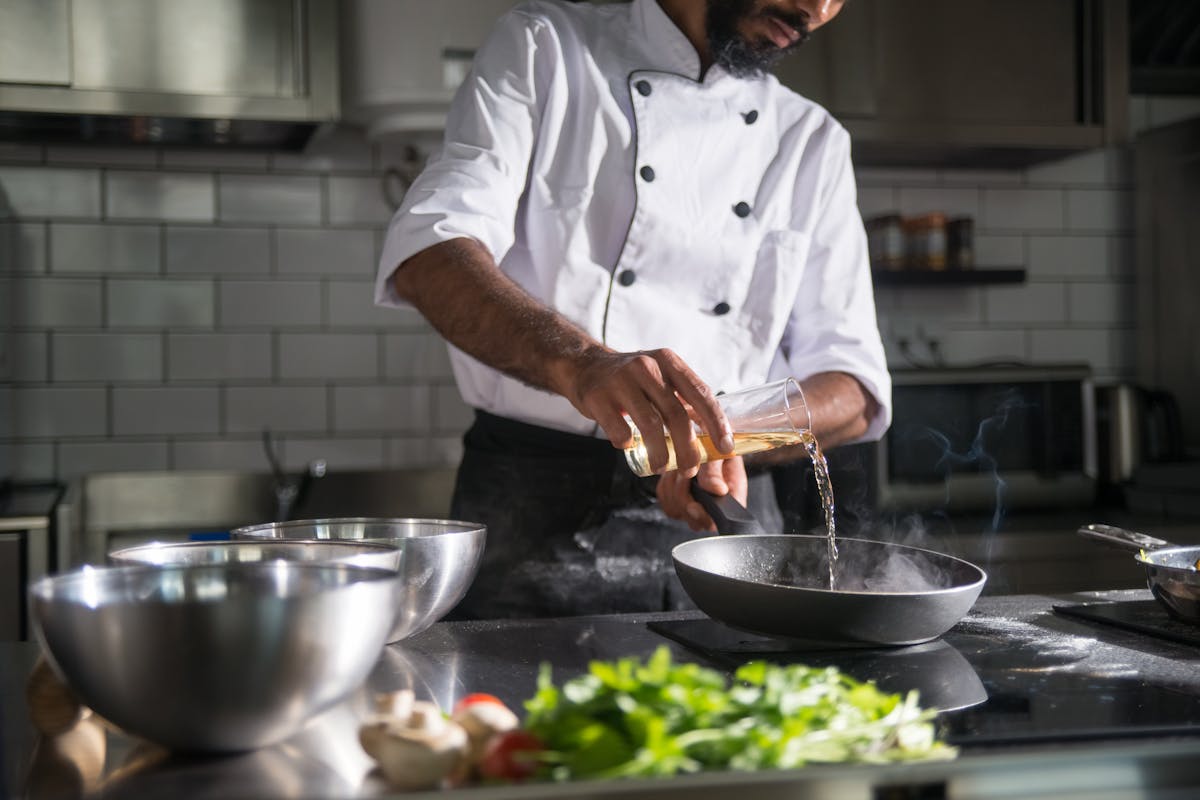
When you hire a private chef for your event, you are not just booking someone to cook food. You are bringing in a culinary artist who needs the right stage to perform. A skilled NYC event planner understands this deeply.
They know that a chef who excels at intimate dinner parties may not be the best fit for a rooftop celebration overlooking Manhattan. The venue shapes the menu, and the menu shapes the evening. A personal chef working in a borrowed kitchen faces different challenges than one cooking in a fully equipped professional space. Event planners spend years building relationships with both chefs and venues.
They learn which kitchens have the right equipment, which spaces allow open flames, and which locations have restrictions that could limit a chef's creativity. This knowledge is what separates a good event from a great one.

Understanding the Venue First
Every venue in New York City has its own personality. A converted warehouse in Brooklyn feels different from a classic Upper East Side townhouse. An event planner starts by understanding what the space can offer and what it demands. Some venues have their own catering requirements, while others offer complete freedom to bring in outside talent.
When a client wants to hire a private chef, the planner must first confirm that the venue allows it. Then they assess the practical details. Is there a working kitchen? How much prep space exists? Can equipment be brought in? These questions might seem small, but they determine whether a chef can execute their vision or struggle through the evening.
The best event planners visit venues personally. They take photos of kitchen layouts, measure counter space, and note the distance between the cooking area and the dining room. This information becomes essential when recommending which private chef would thrive in that particular environment, and it is one of the clearest markers of a planner who actually knows the New York event landscape.
Building a Network of Trusted Chefs
An NYC event planner does not simply search online when a client needs a chef. They maintain a carefully curated network of culinary professionals with whom they have worked over the years. They know each chef's strengths, preferences, and working style. Some chefs specialize in farm-to-table menus that require close relationships with local suppliers.
Others have mastered cuisines from around the world and can transport guests to another country through their dishes. A personal chef who creates stunning visual presentations needs a venue where guests can watch the plating process. Meanwhile, a chef known for bold flavors might shine at a casual loft party where people gather around a communal table.
The planner's job is to match these talents with venues where they can do their best work. This requires honest conversations with both parties. The chef needs to know exactly what they are walking into, and the venue must understand what the chef requires to succeed.
Coverage from culinary publications like Eater has highlighted how the rise of chef-led private events has reshaped the relationship between New York venues and the culinary talent who work in them, and that shift is something experienced planners navigate every week.
The Venue and Chef Pairing Framework Event Planners Use
A great event planner does not pick a chef and then drop them into a venue. The process runs in the opposite direction. The venue dictates what is possible, what is impractical, and what will read as the right tone for the room. The chef is then chosen to match those constraints and amplify the space rather than fight it. The table below maps the most common private event venues against the realities of cooking there, the chef profile that consistently performs best, and the service format that tends to fit the room.
This is the kind of matrix a planner runs through in the first conversation with a host, often before the menu is even discussed.
The reason a pairing framework like this exists is that the wrong match becomes obvious the moment guests sit down. A chef who is brilliant in their own restaurant but unfamiliar with cooking from a residential kitchen will struggle in a vacation rental. A canapé focused team will feel out of place at a long table vineyard dinner.
The planner's job is to read both sides before the booking is made so the chef arrives ready for exactly what the venue will throw at them and the host is freed up to enjoy the evening instead of troubleshooting it. When that pairing is right, the venue and the food stop feeling like two separate decisions and start feeling like one cohesive experience, which is the standard guests at this level of event have come to expect.
Matching Chef Style to the Energy of the Venue
The pairing decision extends beyond logistics into something more nuanced. Each venue has an energy that the food has to either match or thoughtfully contrast. A polished Upper East Side townhouse calls for a different kind of menu than a sprawling Tribeca loft. A rooftop with skyline views calls for a different presentation style than a quiet garden tucked behind a brownstone.
The planner reads these signals and brings in a chef whose work fits the atmosphere the host is trying to create. This is where the most experienced planners earn their reputation. Anyone can find a chef. Anyone can book a venue. Pairing the two so that they amplify each other is a different skill entirely, and it is the reason hosts who care about how their event feels rely on planners who specialize in chef-led work.
For hosts who want this level of care without the back-and-forth, working with a private chef in NYC through a vetted platform is one of the cleanest ways to access the right talent for the right space.
Creating a Seamless Experience
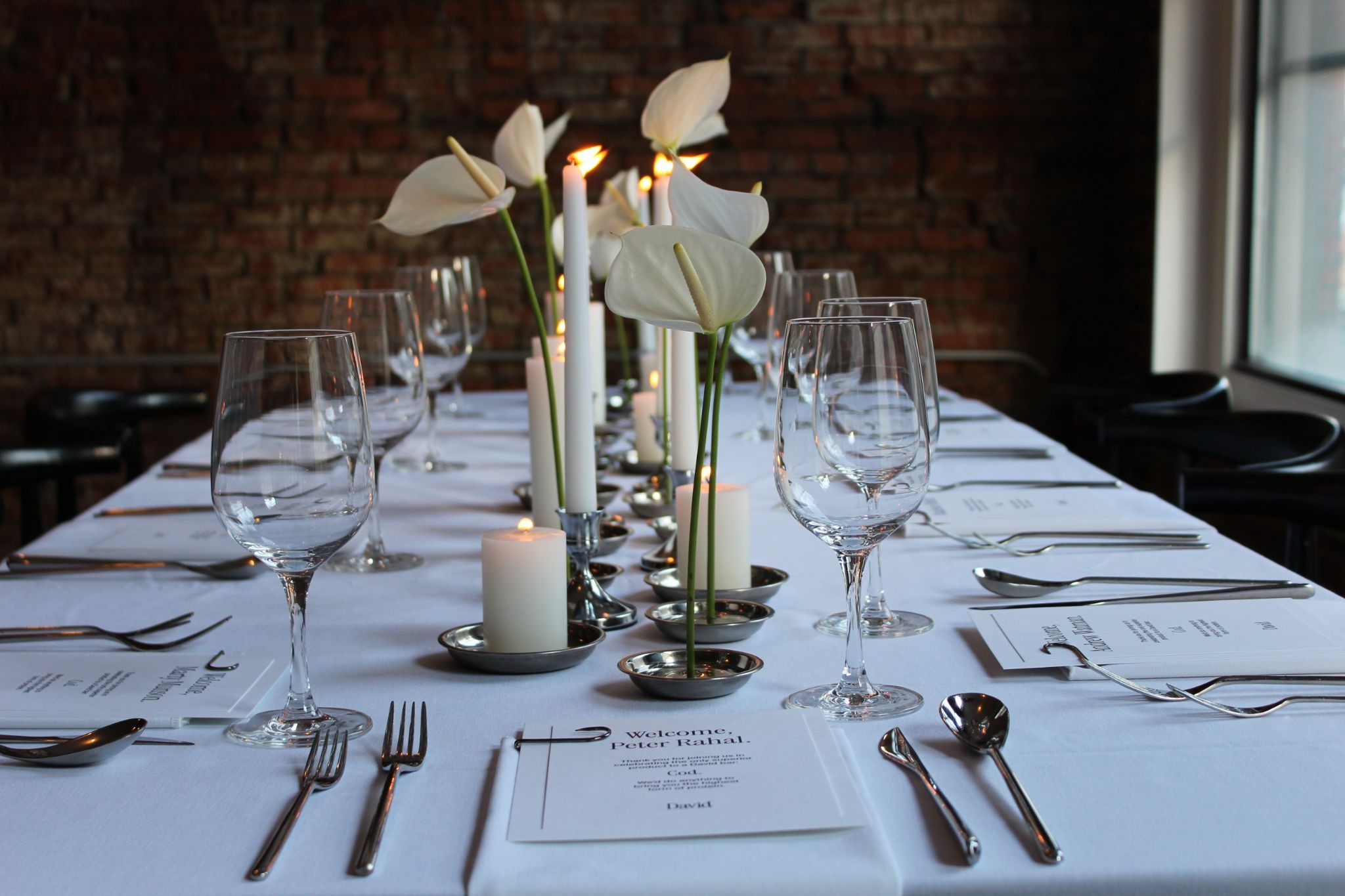
When the pairing works, guests never notice the planning that went into it. The food arrives at the perfect moment. The chef has everything they need. The venue feels as if it were designed for exactly this event. That seamless quality is the goal of every experienced event planner.
Behind the scenes, this means coordinating delivery times, arranging equipment rentals, and solving problems before they become visible. If a private chef needs a specific type of stove that the venue lacks, the planner arranges a rental. If the serving area is far from the kitchen, they plan for runners and warming stations. Every detail connects.
According to industry coverage from BizBash, the events that earn the strongest guest feedback are consistently those where the food and venue feel intentionally matched rather than independently booked. That alignment does not happen by accident. It happens because someone with experience made deliberate decisions early in the planning process and held the entire operation together as the event moved from concept to execution.
Solving Problems Before They Become Problems
Part of what an NYC event planner brings to the chef-venue pairing is the ability to anticipate issues that first-time hosts would not see. Building access rules in Manhattan are notoriously specific. Some venues require certificates of insurance days in advance. Loading docks have narrow windows.
Freight elevators get scheduled around other tenants. A chef who has never worked in a particular building can lose hours to logistics that a planner already knows how to solve. The planner also manages the human side of the event. They know which chefs work well under pressure, which venues have responsive staff, and which combinations have caused friction in the past.
They keep the host out of those problems entirely, which is one of the underrated benefits of working with a planner who has deep relationships across the New York event ecosystem.
Why Gradito Stands Out
For hosts who want this level of care without the stress of managing it themselves, Gradito offers a thoughtful solution. Gradito connects clients with exceptional private chefs who bring restaurant-quality dining directly into homes and event spaces throughout New York City.
What makes Gradito different is its understanding that great food requires more than talented cooking. Their team considers the full picture, helping clients find a personal chef whose style matches both the occasion and the setting.
Whether you are planning an intimate anniversary dinner or a larger celebration, Gradito takes the guesswork out of the process. When you hire a private chef through Gradito, you gain access to culinary professionals who have been carefully vetted for their skill and reliability. The result is an evening where every element works together, from the first course to the final bite.
Ready to Bring a Private Chef to Your Table?
Whether you're planning an intimate dinner at home, a milestone celebration, or a fully catered private event, Gradito makes it simple to connect with vetted chefs who match your taste, budget, and occasion. Every booking is built around your preferences, so the experience feels effortless from the first conversation to the last course.
Book a quick call with our team to talk through your vision: Schedule a 30-Minute Consultation
Planning something larger? Tell us about your event and we'll handle the rest: Submit a Private Event Inquiry
Sources
PCMA: Professional Convention Management Association BizBash: Event and Meeting Industry Coverage Eater: Restaurant and Culinary Industry Coverage


