




Hosting a sushi dinner party is a great way to bring friends, family, or colleagues together over fresh food and good conversation. From beautifully prepared nigiri to creative sushi rolls, each dish can offer a different taste and texture. But when planning a menu, one important question comes up: How many courses should a private sushi chef serve at a dinner party?
The answer depends on the number of guests, the event length, the type of sushi you're serving, and the dining experience you want to create. Some dinner parties work best with a simple three-course menu, while others may benefit from five to seven smaller courses.
A private sushi chef can help you choose the right menu, prepare fresh dishes, and create a personal, well-planned dining experience. With the right balance, every course can add something special without leaving guests feeling too full.
How Many Courses Are Ideal for a Private Sushi Dinner Party?
For most private sushi dinners, five to seven courses offer a good balance of variety and comfort. This lets guests enjoy a variety of Japanese dishes while giving the chef enough time to prepare and present each course. However, there is no fixed rule. A casual dinner party may need only three or four courses, while a formal event can include a longer tasting menu.
The goal is not to serve as many dishes as possible. It is to create a smooth dining experience where each course has a purpose. A lighter opening dish, fresh sashimi, carefully prepared nigiri, and a small dessert can make a complete meal without overwhelming guests.
When you hire a private chef, discuss your event’s mood and how long you want dinner to last. These details help the chef plan a menu that fits your needs. For more help, see how to plan the perfect menu with your private chef.
What Does a Typical Private Sushi Chef Menu Include?
A well-planned sushi dinner usually starts with lighter dishes and gradually moves toward more filling flavors. Each course introduces something new while keeping the meal balanced overall. Here is an example of a five-course menu for a private dinner party. For a similar experience, see how a private sushi chef brings omakase-level dining to your home.
First Course: A Light Japanese Appetizer
The first course should help guests settle in and prepare for the meal. A small Japanese-inspired appetizer, such as edamame, a seasonal vegetable dish, or a light cucumber salad, works well.
This opening course should be simple and refreshing. It gives guests something to enjoy while they talk and lets the evening start at a relaxed pace.
Second Course: Miso Soup or a Seasonal Starter
The second course can introduce a warm or delicate flavor. Miso soup is a popular choice, while a seasonal Japanese-style starter can add variety.
For a summer dinner party, the chef may choose something lighter. During cooler months, a warm soup can make the meal feel more comforting. The key is to avoid serving too much food too early. Smaller portions leave room for the sushi courses that follow.
Third Course: Sashimi Prepared by Your Private Sushi Chef
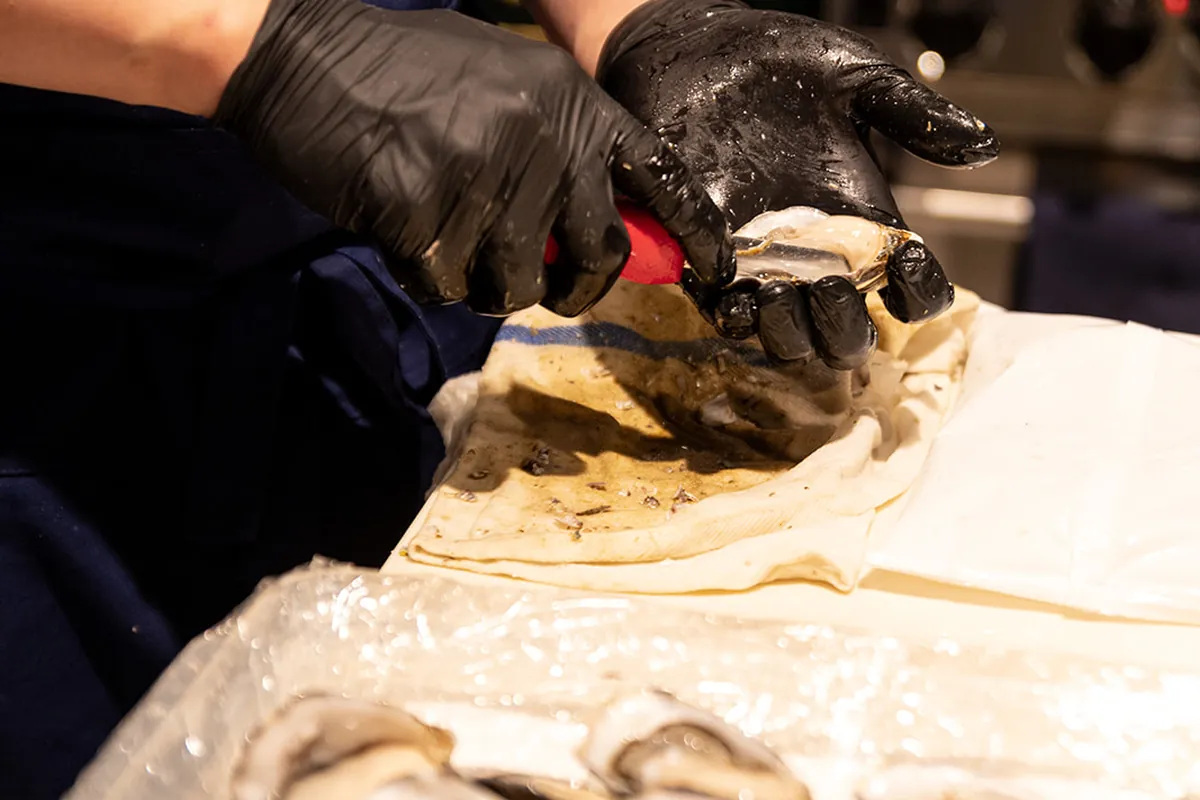
Sashimi is a natural choice for the middle of a sushi dinner. It features carefully sliced raw fish served without rice, allowing guests to appreciate the fish's texture and flavor.
A private sushi chef can select suitable fish based on availability, freshness, and guest preferences. The presentation can also make this course feel special without requiring a large serving. Because raw seafood requires careful handling, the chef should follow proper food safety practices and use suitable ingredients from reliable suppliers.
Fourth Course: Nigiri and Specialty Sushi Rolls
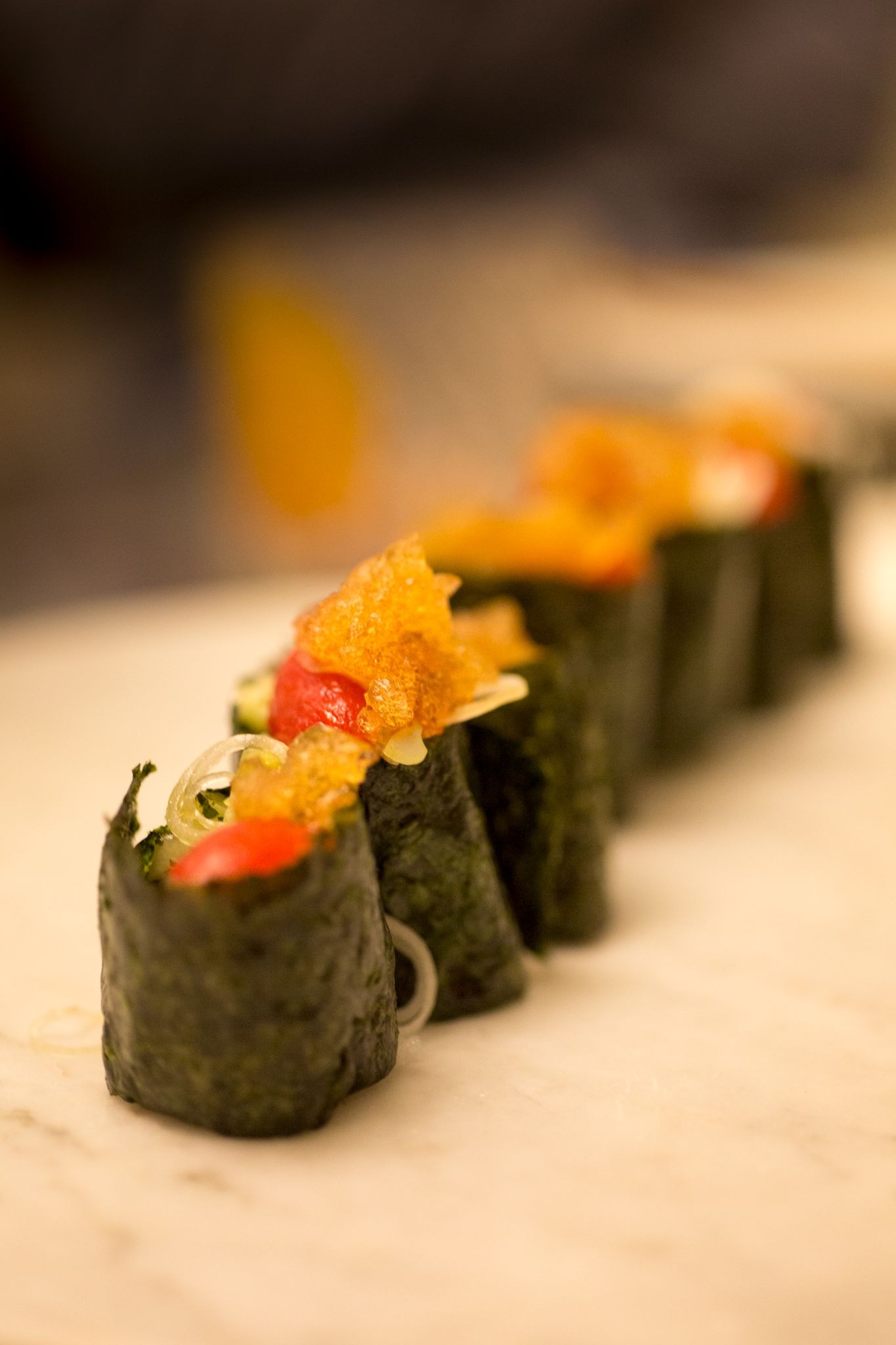
For many guests, this is the highlight of the dinner party. Nigiri pairs a small portion of seasoned rice with a slice of fish or another topping. Specialty sushi may include creative rolls or other chef-chosen preparations.
Serving several small pieces over time allows guests to enjoy different flavors without rushing through the meal. The chef can also explain the ingredients and suggest how to enjoy each piece. A personal chef experienced in sushi can adjust the selection to match the group's preferences, including cooked seafood or vegetarian options where appropriate.
Fifth Course: A Light Japanese-Inspired Dessert
A light dessert provides a pleasant finish. Japanese-inspired options such as mochi, fresh fruit, or green tea ice cream can work well after a sushi-focused meal.
Dessert does not need to be large or complicated. The aim is to end the dinner on a fresh note and give guests time to enjoy the final moments together. For a more formal event, the chef may also suggest tea or another suitable drink to complete the experience.
Should a Sushi Dinner Party Have Three, Five, or Seven Courses?
The best course count depends on the occasion and your guests.
A three-course menu is ideal for a relaxed dinner party where conversation is the main focus. It may include an appetizer, sushi, and dessert. This format is also useful when guests have limited time.
A five-course menu offers more variety without making dinner too long. It is a strong choice for birthdays, small celebrations, and intimate gatherings at home.
A seven-course menu works well for a more formal tasting experience. It gives the private sushi chef room to introduce different ingredients, textures, and preparation styles. However, the portions should remain modest, and the host should allow enough time for each course.
For most home gatherings, five courses are a practical starting point. The chef can then adjust the menu according to guest numbers, appetite, and budget. See how a dinner party chef creates a home dining experience.
What Factors Affect How Many Courses a Private Sushi Chef Serves?
Several factors can help you choose the right number of courses. First, consider how many guests you have. A small group may enjoy a longer, more interactive meal, while a larger dinner party may benefit from a simpler, easier-to-serve menu.
Next, think about private chefs for special diets. Guests may prefer vegetarian sushi, cooked seafood, or dishes without certain ingredients. Sharing these needs with the chef early makes menu planning easier. Your budget also matters. More courses may require additional ingredients, preparation time, and service.
A shorter menu with high-quality ingredients can be just as memorable as a longer tasting menu. Finally, consider the atmosphere. A formal dinner may suit a slower pace with more courses, while a casual gathering may feel better with fewer dishes served in a relaxed way.
Why Hire a Private Sushi Chef for Your Dinner Party?
Hiring a private sushi chef can take much of the work out of hosting. Instead of planning every dish and handling food prep yourself, you can share your preferences with a professional who can tailor the menu to your event.
A private chef can also offer a more personal experience than a standard restaurant meal. Depending on the service, guests may enjoy watching sushi being prepared, learning about the ingredients, and asking questions about the dishes.
Before booking, review these questions to ask before booking a private dinner chef and confirm what the service includes, such as ingredient sourcing, kitchen equipment, serving, and cleanup. Discuss allergies, menu choices, and the number of courses in advance to avoid surprises on the day.
Book a Private Sushi Chef for Your Dinner Party with Gradito
Choosing the right number of courses can turn a simple meal into a memorable dinner party. For many hosts, a five-course sushi menu offers the right mix of variety, flavor, and comfort. Still, the best menu suits your guests, the occasion, and the atmosphere you want to create.
Gradito helps clients explore personalized private dining experiences that make hosting easier and more enjoyable. If you want to hire a private chef for a sushi dinner party, consider a menu tailored to your tastes, guests' preferences, and event style.
With the right private sushi chef, fresh ingredients, and thoughtful course planning, you can create an evening where every dish feels special, and every guest has a reason to remember the meal.


