






Deciding how to eat well during a busy week usually comes down to two paths. You can hire a professional for private chef meal prep, or you can subscribe to one of the many meal delivery kits that arrive on your doorstep in a cardboard box. Both promise healthier eating and less stress, but they deliver very different experiences.
The right choice depends on your schedule, your budget, and how much you actually enjoy cooking. A meal kit still requires you to chop, sauté, and clean up. A meal prep chef handles everything from grocery shopping to labeled containers in your fridge.
This guide breaks down how each option works, what they cost, and which one makes sense for your lifestyle, so you can make a confident decision before you spend a dollar.
Hire a private chef with Gradito. Whether you're planning an intimate dinner, a celebration, or a corporate event, Gradito connects you with vetted private chefs in New York City.
What Is Private Chef Meal Prep?
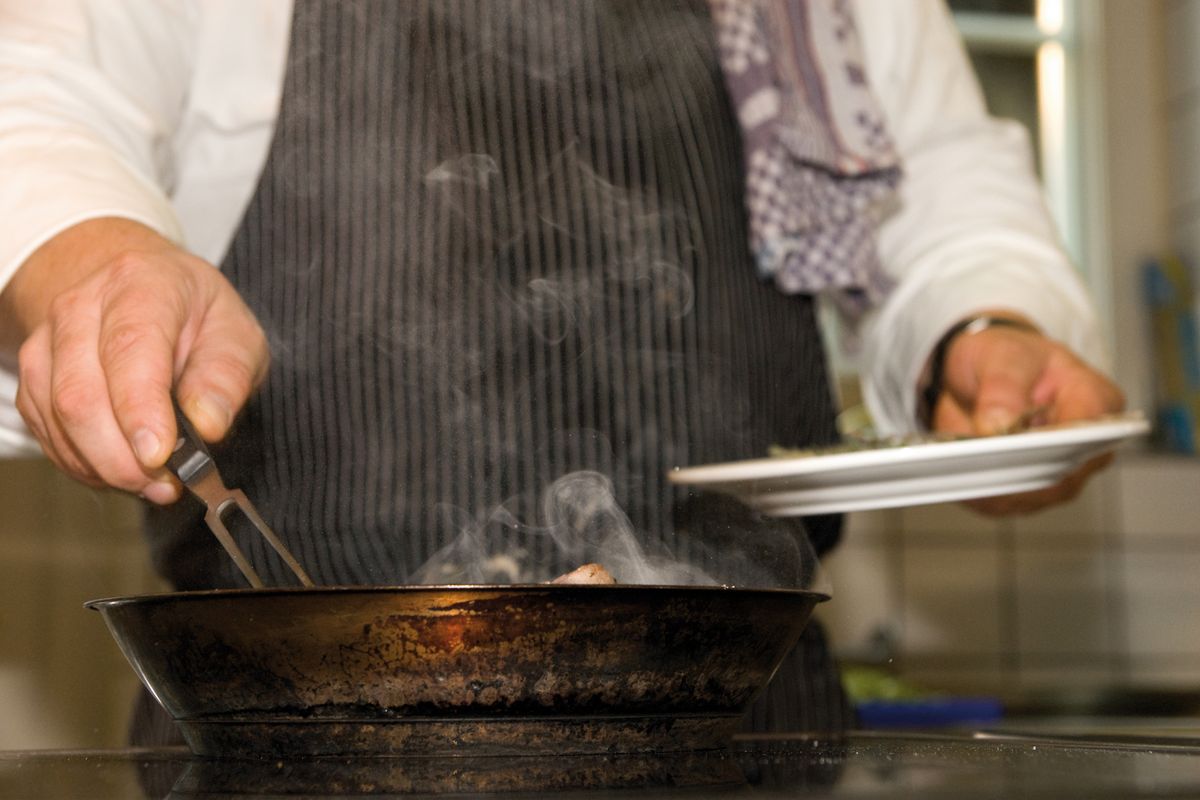
Private chef meal prep is a service where a professional chef plans your menu, shops for ingredients, cooks a full week of meals in your kitchen, and leaves everything portioned, labeled, and stored. Most clients book a weekly or biweekly session that lasts three to five hours.
The defining feature is customization. Your chef builds the menu around your dietary needs, whether that means high-protein meals for training, low-sodium dishes for heart health, or family dinners that picky kids will actually eat. Nothing is generic, because everything is designed for you.
A typical private chef meal prep session covers 10 to 20 individual meals, depending on household size. The chef arrives with groceries, cooks in batches, packages each meal in containers, and cleans the kitchen before leaving. Many clients say the clean kitchen alone is worth the fee.
This model has grown quickly because it solves the real problem behind unhealthy eating, which is not a lack of recipes but a lack of time. When healthy food is already in the fridge, the decision to eat well is already made. If you are curious about pricing for this kind of service, our guide on private chef costs breaks down typical rates in detail.
How Meal Delivery Kits Work
Meal delivery kits operate on a subscription model. Each week you select recipes from a rotating menu, and the company ships you a box with pre-measured ingredients and instruction cards. You do the cooking, usually 30 to 50 minutes per meal.
The appeal is structure. Kits remove meal planning and most grocery shopping from your week, and portioned ingredients cut down on food waste. For people who genuinely like cooking but hate deciding what to make, that structure has real value.
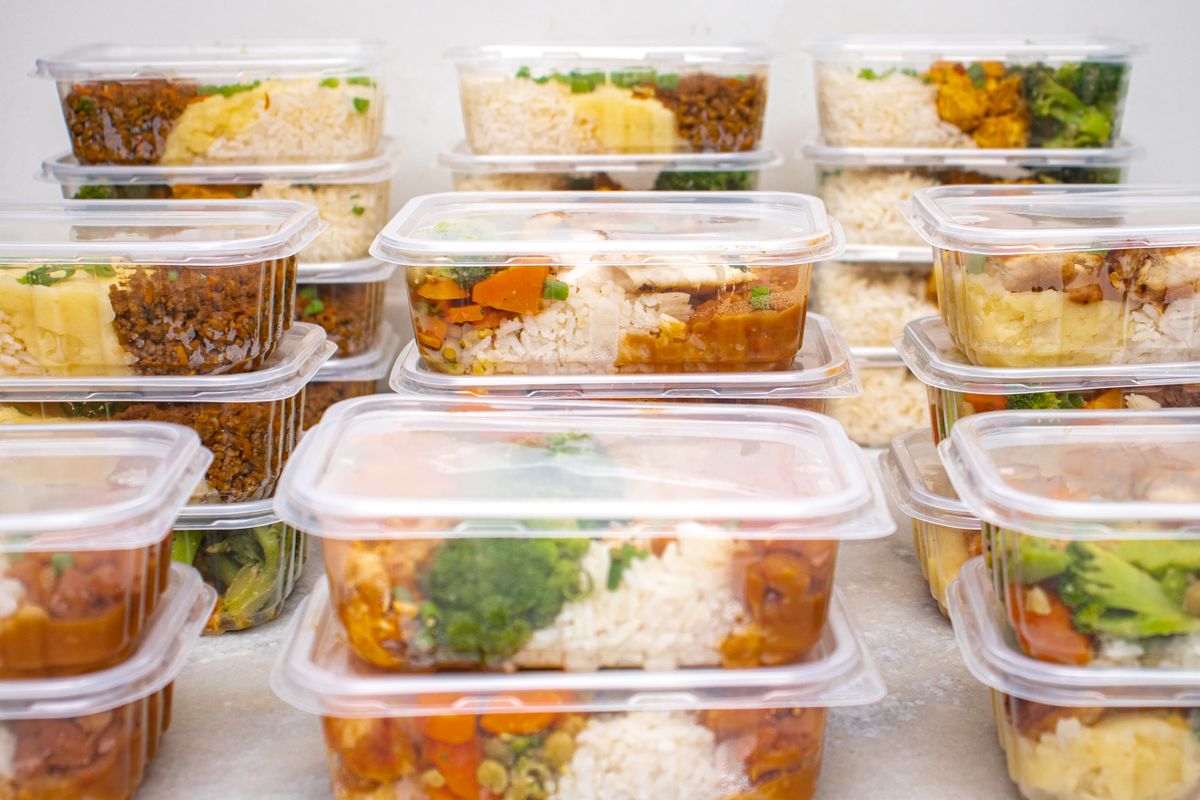
The tradeoffs show up in the details. Menus are fixed to what the company offers that week, so customization is limited to filters like vegetarian or calorie-smart. You still spend several hours a week cooking and cleaning. Packaging waste from ice packs and individually wrapped ingredients is a common complaint. And skipping a week requires remembering to log in and pause before the cutoff.
Kits also assume a baseline of cooking skill and interest. If a recipe card feels like homework at the end of a long day, the box tends to sit in the fridge until the ingredients expire, which erases the money you hoped to save.
Private Chef Meal Prep vs. Meal Delivery Kits: Side by Side
The clearest way to compare the two options is to put them next to each other. This table sums up how private chef meal prep stacks up against a typical meal kit subscription.
On raw price per meal, kits win. On time saved, quality, and personalization, private chef meal prep wins decisively. The real question is what your hours are worth and how much the details of your diet matter to you.
Which Option Fits Your Lifestyle?
Meal kits fit people who enjoy cooking, have 45 minutes to spare most evenings, and are comfortable eating from a set menu. They work well for couples building kitchen confidence or anyone who wants dinner decided in advance without paying for labor.
Private chef meal prep fits busy professionals, parents juggling family schedules, athletes with specific nutrition targets, and anyone managing allergies or medical dietary needs. It is also the better option for people recovering from surgery, new parents, and older adults who want restaurant-quality food without the work.
There is also a wellness angle worth considering. Because a meal prep chef controls sourcing, portions, and preparation methods, it is far easier to stay consistent with health goals. Our article on wellness dining explores how personalized cooking supports long-term habits better than willpower ever does.
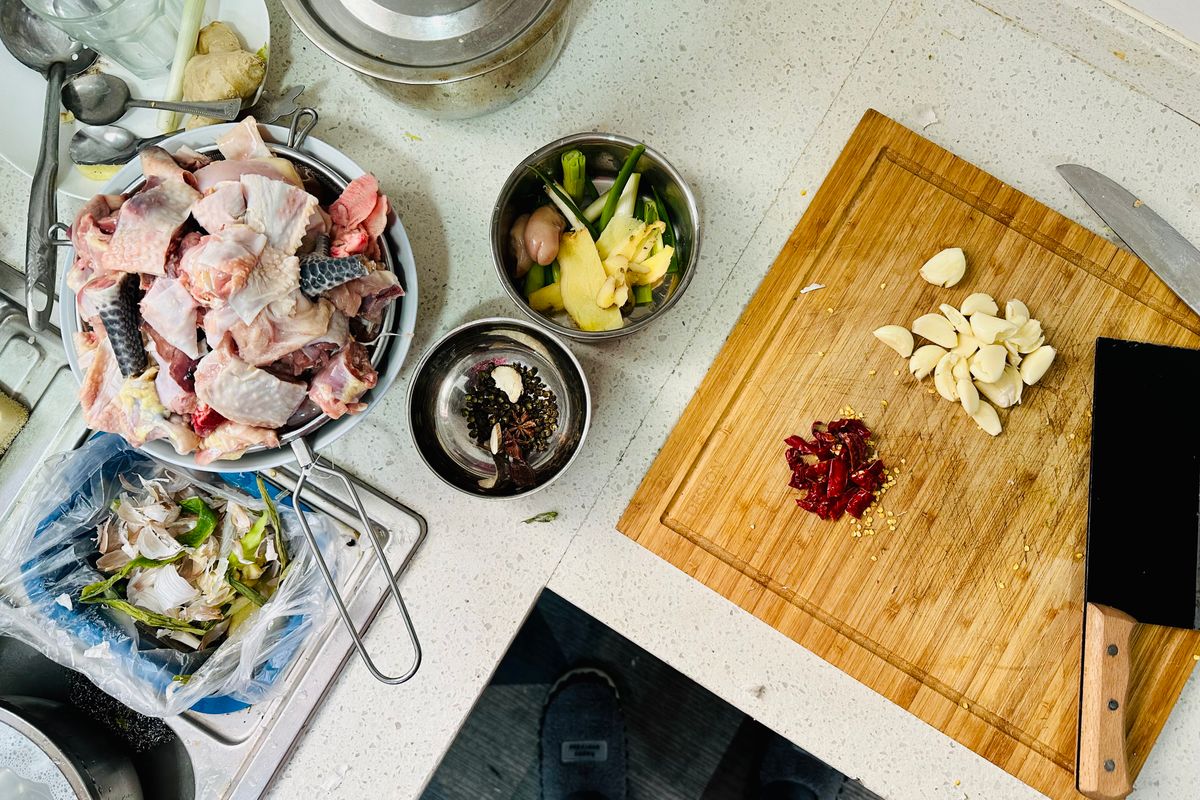
Cost deserves an honest look too. Private chef meal prep is a bigger investment, but when you divide the fee across 15 or more meals for a household, the per-plate price often lands closer to takeout than people expect, with far better nutrition. Add the hours you get back each week and the math shifts quickly for many families.
How to Get Started with a Meal Prep Chef
Booking personal chef meal prep for the first time is simpler than most people assume. Here is how the process typically works:
- Share your household size, dietary needs, and food preferences in a short consultation.
- Review a proposed weekly menu and request any changes.
- Confirm a recurring day and time for your chef to cook in your home.
- Approve the grocery plan, which the chef shops for on your behalf.
- Come home to a refrigerator stocked with labeled, ready-to-eat meals.
Most clients start with a single trial week before committing to a recurring schedule. That first session tells you everything about fit, from communication style to how well the food matches your taste.
When comparing chefs, ask about their experience with your specific dietary needs, how they handle menu feedback, and whether they carry food handler certification and liability insurance. A professional will answer all three without hesitation.


