When the guest list includes clients, board members, or senior leadership, the meal carries weight. Food sets the tone for the whole evening, and a rushed banquet plate or a restaurant table with a loud room can undercut the message you want to send.
Knowing how to hire a private chef for executive dinner events gives you control over every detail. You choose the menu, the pace, the setting, and the level of service. This guide covers what to define up front, how to vet chefs, which menu styles work best, and how to keep the night running smoothly.
Hire a private chef with Gradito. Whether you’re planning an intimate dinner, a celebration, or a corporate event, Gradito connects you with vetted private chefs in New York City. Browse chefs at gradito.com
Why Choose a Private Chef for an Executive Dinner?
A private chef gives you a custom, controlled dining experience that restaurants and standard caterers rarely match. The conversation stays private, the menu fits the guests, and the timing follows your agenda instead of a kitchen’s turn schedule.
Executive dinners usually serve a purpose beyond eating. You may be closing a deal, welcoming a new partner, rewarding a team, or building trust with a key client. A private dining setting lets people talk freely, and a chef cooking in or near the room adds a sense of care that guests notice.
Flexibility is the other big advantage. Dietary restrictions, last-minute guest changes, and cultural preferences are easier to handle when one chef owns the whole menu. A dedicated executive dinner private chef can plan around allergies, religious dietary laws, and personal tastes without forcing guests into a set menu.
If your event is part of a larger agenda, the same approach scales up. Gradito covers this in its guide on how corporate chef services can elevate multi-day executive retreats.
What Should You Define Before You Hire a Private Chef?
Before you contact anyone, define five things: guest count, dietary needs, budget, venue, and the goal of the evening. These details shape every other decision and make quotes easier to compare.
Guest count affects staffing and format. A dinner for six can be cooked and served by one chef, while a dinner for twenty usually needs an assistant or a server. Venue matters just as much. A home kitchen, a boardroom, a penthouse, and a rented event space all have different equipment, ventilation, and access rules.
Your budget should cover more than the chef’s fee. Plan for groceries, staff, rentals, and any travel or setup time. Asking for an itemized quote lets you see where the money goes and avoid surprises.
Finally, write down the goal. A celebratory dinner for a closed deal calls for a different tone than a quiet working dinner with a prospective investor. Tell the chef what the night should feel like, and the menu will follow.
How Do You Hire a Private Chef for Executive Dinner Events Step by Step?
The most reliable way to hire a private chef for executive dinner events is to follow a clear process from first inquiry to final walkthrough. Each step reduces risk and keeps the event on schedule.
- Set your date, guest count, venue, and budget range.
- Share dietary restrictions and allergies for every guest as early as possible.
- Request profiles and sample menus from vetted chefs through an agency.
- Compare itemized quotes, including groceries, staff, and rentals.
- Confirm credentials, insurance, and food safety training.
- Schedule a tasting or menu call for high-stakes dinners.
- Lock in the timeline, including arrival, setup, service, and cleanup.
- Send a final guest list and a day-of contact to the chef.
Working through an agency helps at each point. A reputable agency screens chefs, handles contracts, and offers backup if something changes. Gradito explains how that safety net works in its article on how a private chef agency handles chef replacements and last-minute cancellations.
What Menu Styles Work Best for Executive Dinners?
The best executive dinner menus are seasonal, polished, and easy for guests to eat while they talk. Courses should arrive at a steady pace, portions should be refined rather than heavy, and every plate should look intentional.
Plated multi-course dinners suit formal occasions where you want a structured evening. Family-style service works well for smaller groups and relationship-building, since sharing dishes encourages conversation. Chef’s tasting menus fit celebratory dinners and guests who enjoy food, and they give the chef room to show skill.
Keep the menu realistic for the setting. A kitchen with limited burners and no vent hood cannot support a complicated tasting menu. A good chef will adjust the dishes to the space instead of promising something the room cannot deliver.
Think about balance too. Lead with something light, build to a memorable main course, and finish with a dessert that is elegant but not heavy. Wine and beverage pairings can be arranged with the chef or a separate sommelier.
What Credentials and Details Should You Verify Before Booking?
Before you book, confirm that the chef holds current food safety certification, carries liability insurance, and has real experience with executive or corporate events. These checks protect your guests and your company’s reputation.
Ask about training such as ServSafe or an equivalent food handler certification. Ask whether the chef or agency carries general liability coverage, since many corporate venues and building managers require proof of insurance before an outside vendor can work on site.
Allergy handling deserves special attention. The U.S. Food and Drug Administration recognizes nine major food allergens, so your chef should be able to explain how they prevent cross-contact in the kitchen. Ask how they label dishes, separate prep areas, and handle ingredient sourcing.
A few more questions are worth asking:
- Who handles shopping, prep, service, and cleanup?
- Can you see references or past executive event menus?
- What is the cancellation and rescheduling policy?
- Is a tasting available before the event?
- Who is the backup if the chef cannot attend?
Clear answers signal professionalism. Vague answers are a reason to keep looking.
How Do You Keep the Dinner Running Smoothly at Night?
A smooth executive dinner depends on a shared timeline, clear roles, and one person who can make decisions on the spot. Agree on arrival and setup times with the chef, then confirm the service schedule so courses land at the right moments.
Give the chef kitchen access early so prep is finished before guests arrive. Share the seating plan, the guest of honor, and any speeches or toasts so the kitchen can pace each course. If your dinner has a presentation or a working segment, let the chef know when to pause service.
Plan for the small things as well. Confirm table settings, glassware, music volume, and where staff can stage plates. Assign a host or event lead to handle questions, so executives are not interrupted and the chef can stay focused on the food.
After the dinner, a good chef leaves the kitchen clean and the space ready for use. Ask for a short debrief afterward, since notes on what guests enjoyed make the next event even easier to plan. For related planning ideas, you can also look at Gradito’s article on office holiday party ideas with a private chef for small teams.
Ready to book a private chef? Gradito makes it simple to find and hire a professional private chef for any occasion in New York City. From intimate dinners to large events, every experience is personalized to you. Book on gradito.com

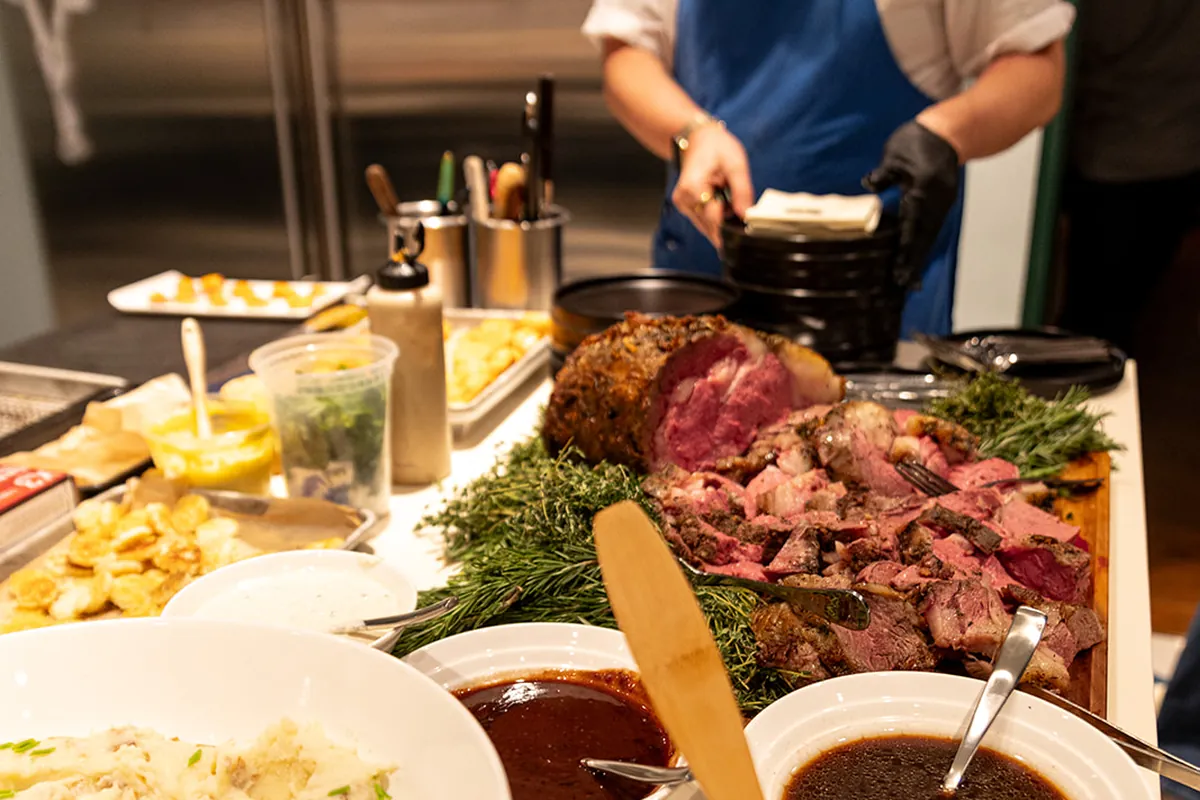
From a recent Gradito dinner
This menu was served at a private dinner in New York last month.
Reserve your own evening — same chef, your menu, your home.
FAQs
Book at least three to four weeks ahead for a standard dinner. Larger events, holiday dates, or tasting menus may need five to six weeks to secure the right chef.
Most services include menu planning, grocery shopping, on-site cooking, plating, and kitchen cleanup. Servers, rentals, and beverage service are often available as add-ons.
Yes. Share every allergy and restriction early so the chef can design a menu that works for the whole table without singling anyone out.
An agency screens chefs, manages contracts, and provides backup if plans change. That reduces risk for high-stakes dinners where reliability matters most.
One chef can comfortably serve around six to ten guests with a plated menu. Larger groups usually need an assistant or service staff.