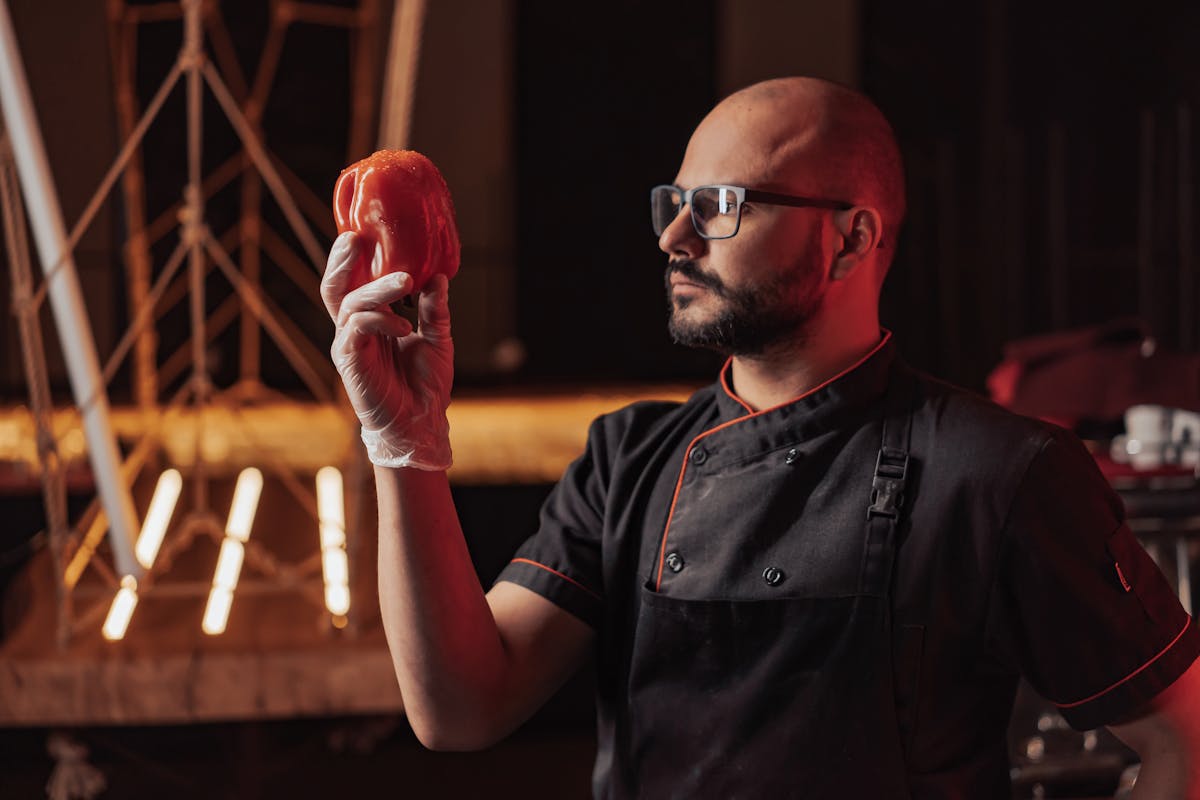
The expectations around corporate events have shifted considerably over the past several years. A serviceable buffet and a few rounds of applause used to be enough. Today, guests arrive with a different frame of reference and a different set of expectations. They want an experience that feels considered, personal, and worth attending.
Food sits at the center of that shift, and companies that understand this are investing accordingly, moving away from generic catering solutions and toward something that actually reflects the quality of the organization and the care it has for the people in the room.
Planning a truly memorable corporate culinary experience is not simply about upgrading the menu, though that is certainly part of it. It is about thinking through every element of the evening with the guest experience at the center, from the clarity of the concept and the suitability of the setting to the way food is presented, paced, and served.
When all of those elements work together, the result is an event that guests talk about afterward, which is ultimately what every corporate host is aiming for.
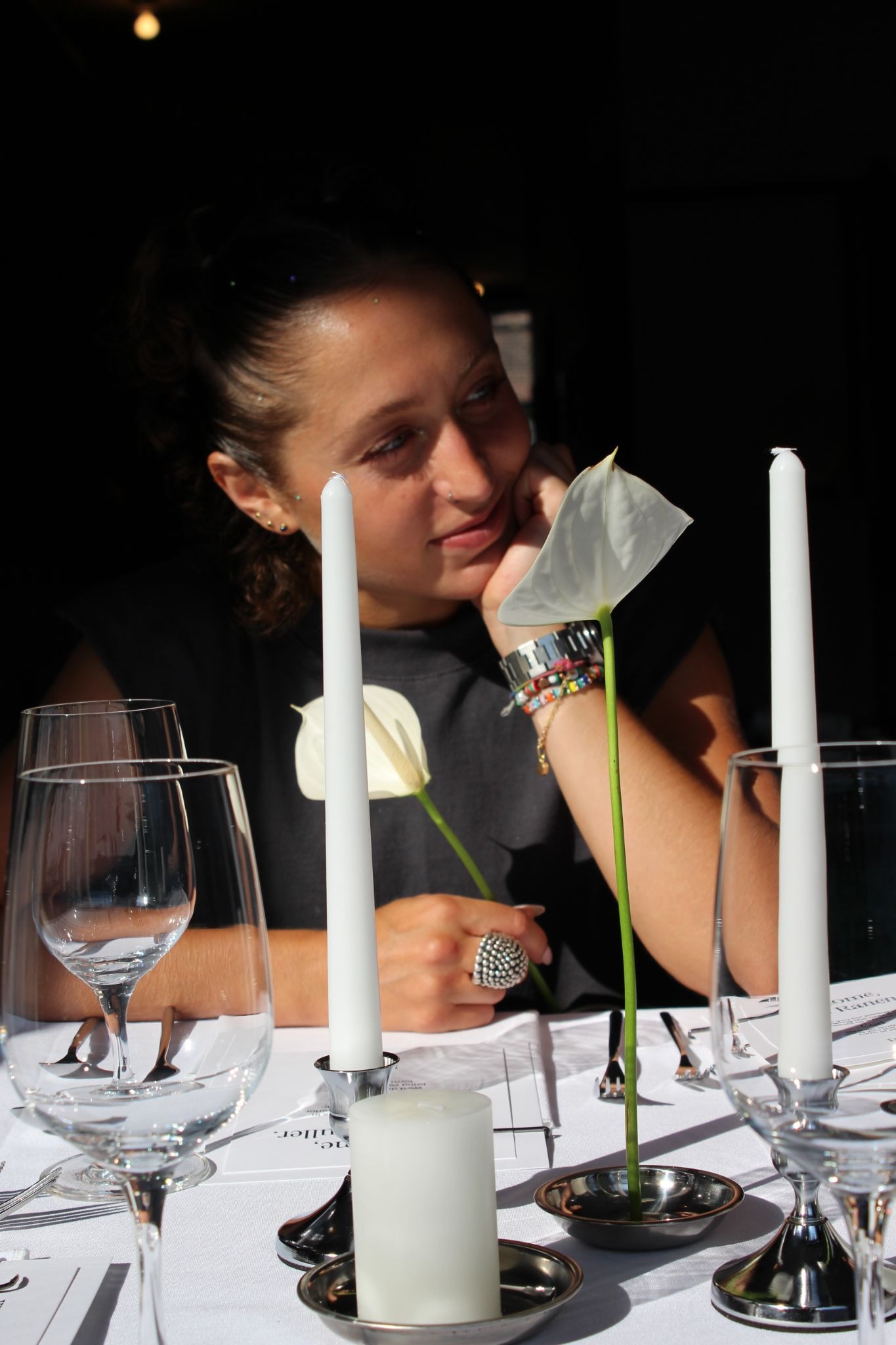
Start With a Clear Purpose
The most common planning mistake in corporate events is jumping straight to logistics before the underlying purpose of the gathering has been clearly defined. The type of food that works beautifully for a relaxed team celebration is different from what suits a formal client dinner, which is different again from what fits a high-energy product launch.
Getting the purpose right first makes every subsequent decision more straightforward because you have a clear lens through which to evaluate each option.
Ask yourself what you want guests to feel during and after the event. Do you want them to feel celebrated, impressed, connected, and energized? The answer to that question shapes the menu, the service style, the atmosphere, and the degree of formality that is appropriate.
An event that has been designed with a specific emotional outcome in mind always lands better than one that has simply been organized efficiently. When you hire a private chef for a corporate event, this purpose-setting conversation is typically where the planning process begins, and it is one of the most valuable parts of the entire collaboration.
Choose the Right Setting
The physical environment of a corporate culinary event does more work than most planners give it credit for. Guests form an impression the moment they walk in, well before the first course arrives, and the setting either supports the experience you are trying to create or it works against it.
An office boardroom that has been converted into a dining space for the evening requires a different kind of staging than a private venue that already has the right atmosphere built in, and an outdoor setting introduces a whole different set of considerations around comfort, lighting, and service logistics.
One of the practical advantages of working with a private chef for a corporate event is the flexibility this creates around location. A skilled private chef can adapt to almost any environment, bringing the organizational skill and culinary precision needed to transform even an unconventional space into a compelling dining experience.
This gives companies significantly more control over the atmosphere of their event rather than being constrained to whatever a fixed venue happens to offer. For companies thinking about outdoor dining experiences, working with a professional chef makes that option considerably more manageable and more impressive.
Focus on the Food Experience
Food is the centerpiece of any culinary event, and in a corporate context, it is also a direct signal of how much care and investment had gone into the occasion. Generic options served without much thought send one message.
A carefully designed menu with genuine variety, thoughtful presentation, and a clear sense of intention sends quite another. The difference between the two is noticeable to guests immediately, and it shapes how they feel about the event and, by extension, the organization that hosted it.
A personal chef or private chef brings the ability to create a custom menu that reflects the specific purpose and tone of the event while accommodating the diverse dietary needs that are almost always present across a corporate guest list. Vegan and vegetarian guests, those managing food allergies, and those following specific dietary protocols all deserve to feel genuinely considered rather than accommodated as an afterthought.
A skilled chef designs around these requirements from the outset, ensuring that every person at the event has something genuinely appealing to eat rather than a stripped-down version of what everyone else is having.
Make It Interactive
One of the most effective ways to elevate a corporate culinary experience beyond a standard sit-down dinner is to involve guests in the experience in some way. Interactive dining elements break down formality, create natural conversation, and give people something to engage with beyond the food itself.
A private chef working a live cooking station, a guided tasting of a particular ingredient or cuisine, or a dessert station where guests can participate in some element of the final preparation all add energy and memorability to an event in ways that a conventional plated dinner rarely achieves on its own.
This interactive dimension works particularly well in corporate settings because it dissolves some of the stiffness that can set in during formal events and creates the kind of organic, relaxed interaction that actually builds relationships.
Watching a talented chef work at close range is genuinely engaging. It generates conversation and provides a shared reference point for the evening that guests tend to remember long after the details of the food itself have faded. The chef becomes part of the experience rather than simply the person responsible for what ends up on the plate.
Keep It Simple and Well Organized
There is a version of ambitious corporate event planning that tries to do too much and ends up undermining itself through complexity. The events that guests remember most fondly are almost always the ones that executed a clear, well-chosen concept with genuine precision rather than attempted ten things at varying levels of success.
Smooth service, clear timing, and a comfortable, logical flow from one part of the evening to the next create the conditions in which guests can actually relax and enjoy themselves rather than feeling rushed, confused, or uncertain about what comes next.
A skilled personal chef brings a natural understanding of pacing and sequencing that is one of the less visible but most impactful contributions they make to a corporate event. They know when to serve, when to allow natural pauses in the flow, and how to read the rhythm of an evening and adjust accordingly.
That sensitivity to pacing is difficult to replicate without professional experience, and its absence is something guests feel even when they cannot quite articulate why an event felt slightly off.
Pay Attention to Guest Comfort
An exceptional culinary experience is built on more than the quality of the food. The physical comfort of guests throughout the event, adequate space, comfortable seating, appropriate temperature and lighting, and a welcoming overall atmosphere shape how they experience everything else.
A beautifully plated dish consumed in a cramped, poorly lit, or uncomfortably loud environment will not land the way it should, regardless of its technical quality. Getting the physical environment right is as much a part of hospitality as the menu itself.
The atmosphere of a corporate event also has practical implications for its purpose. When guests feel genuinely comfortable and at ease, they are more open, more conversational, and more likely to engage meaningfully with the people around them.
For corporate events where relationship-building is one of the primary objectives, comfort is not a nice-to-have. It is central to whether the event actually achieves what it was designed to do.
Customize the Experience
Generic events are forgettable. Events that feel like they were designed specifically for the people attending them are not. Customization is what closes that gap, and it is one of the clearest areas where working with a private chef rather than a standard catering company makes a material difference.
A private chef can tailor every aspect of the menu around the specific group, reflecting dietary needs, cultural preferences, the theme of the occasion, and the particular impression the host wants to leave with their guests.
That level of personalization signals investment and care in a way that is immediately felt by everyone in the room, even if they could not explain exactly why the event felt more thoughtful than others they have attended. For companies entertaining clients, that impression carries real weight.
For internal events, it communicates to employees that the organization values their experience enough to do more than the minimum. Both of those messages are worth the additional planning effort they require. If you want to understand more about what sets private chef-led events apart from standard catering, it is worth exploring what clients typically experience when working with a professional chef for the first time.
Work With Professionals
The complexity of planning a high-quality corporate culinary experience is easy to underestimate until you are in the middle of it.
Coordinating ingredient sourcing, managing service timing, accommodating dietary needs across a large group, and maintaining a consistently high standard of presentation throughout the evening are all things that experienced culinary professionals handle as a matter of course, but that quickly become overwhelming for event planners or internal teams attempting to manage the food side of a corporate event on their own.
Working with a skilled personal chef or private chef removes that burden from the host entirely. The chef brings organizational capability and culinary experience that extends well beyond the cooking itself, handling logistics that would otherwise fall to the host and ensuring that the food side of the event runs smoothly so that the people responsible for the event can focus entirely on their guests.
That shift in focus, from managing the kitchen to actually being present with the people you invited, is one of the most consistent things that clients describe as transformative about working with a private chef for a significant event.
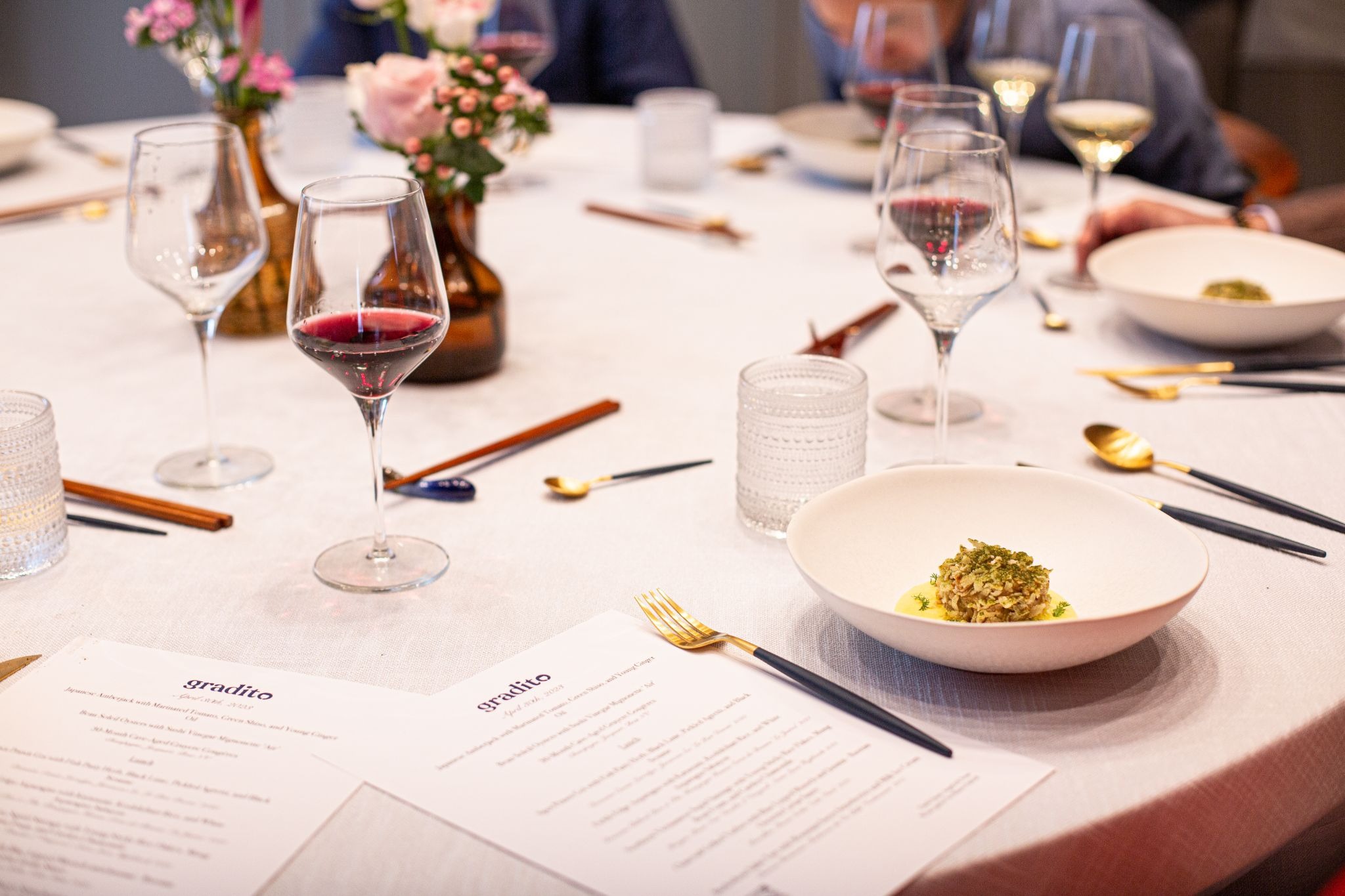
How Gradito Helps You Plan Better Corporate Events
Finding the right chef for a corporate culinary experience requires more than simply identifying someone who can cook well. It requires finding someone who understands the particular demands of professional events, who can communicate clearly with a corporate client, adapt to an unfamiliar venue, and deliver a polished, seamless service under the kind of scrutiny that comes with a business audience.
Gradito connects companies with experienced chefs who specialize in exactly this kind of work, making the process of finding the right person for a corporate event significantly more straightforward than navigating the search independently.
Whether you are planning an intimate executive dinner or a large company celebration, Gradito gives you access to professionals who bring both the culinary skill and the event management experience needed to make the occasion genuinely memorable.