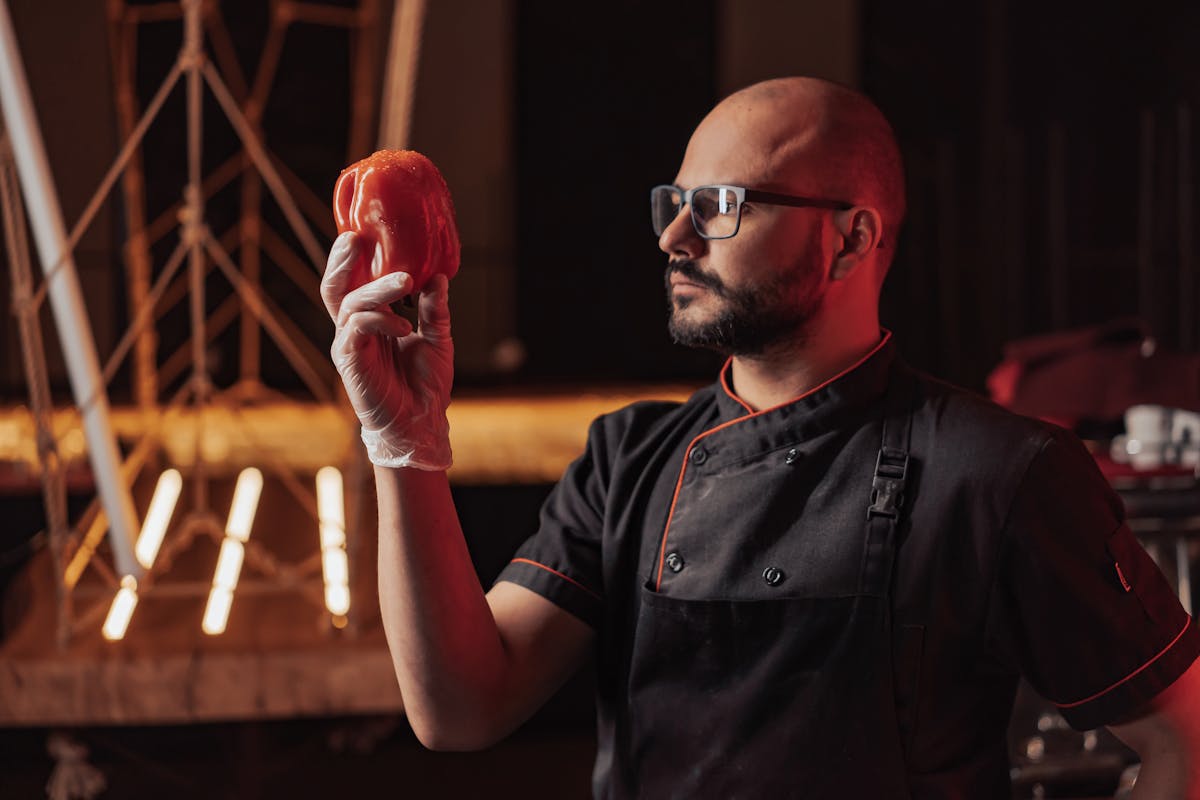
Executive dining rooms have always carried a particular weight within a company. They are the spaces where senior leadership meets, where important clients are hosted, and where the tone of a business relationship can be quietly established or reinforced over the course of a meal.
For a long time, these spaces relied on the same traditional corporate catering services that handled everything else in the building, efficient, predictable, and thoroughly unremarkable. That approach is being reconsidered, and for good reason.
The expectations placed on executive dining have moved well ahead of what standard catering can reliably deliver. Business leaders and their guests are not simply looking to be fed between meetings.
They are looking for a dining experience that reflects the standard of the organization, communicates genuine care and attention, and creates the kind of comfortable, impressive environment in which real conversation and meaningful connection can happen.
Corporate chef catering, and specifically the shift toward bringing a private or personal chef into the executive dining space, is how more companies are closing that gap.
Moving Away From Standard Corporate Catering
The fundamental problem with traditional corporate catering is that it is designed around volume rather than quality. Food is prepared in large quantities, transported, and served with efficiency as the primary objective.
For basic workplace food needs, that model functions adequately. For an executive dining room where the guests may include senior clients, board members, or prospective partners, adequate is rarely enough.
What executive settings demand is quality, precision, and presentation at a consistently high level. Each of those things is difficult to maintain when the priority is feeding large numbers of people quickly and cost-effectively. A private chef operating in an executive dining context works from an entirely different set of priorities.
Every dish is prepared with care and intention rather than assembled from a production line. The difference in the final result is immediately apparent to anyone sitting at the table, and in a setting where first impressions carry real commercial weight, that difference matters considerably more than it might in a standard office kitchen.
If you want to understand more about what sets private chef catering apart from conventional food service, the contrast becomes clear very quickly.
A More Personalized Dining Experience
One of the most compelling reasons companies are making the shift to corporate chef catering is the ability to personalize the dining experience in a way that standard catering simply cannot match. With a conventional catering contract, the menu is largely fixed, and the adjustments available to a client are limited.
A personal chef operates entirely differently. The menu is designed around the specific requirements of the company, the occasion, and the guests who will be seated at the table.
That means dietary restrictions, cultural preferences, and nutritional considerations are all built into the menu from the outset rather than accommodated awkwardly around the edges. It means the food can be designed to reflect the values and identity of the company in ways that feel considered rather than generic.
And it means that when a guest with a specific requirement sits down to eat, they receive something that was genuinely designed with them in mind rather than a modified version of what everyone else is having.
That level of personalization communicates something meaningful about how the company thinks about the people it hosts, and guests notice it without necessarily being able to articulate exactly why the experience felt more thoughtful than usual.
Better Quality and Presentation
In an executive context, the visual dimension of food carries considerable weight. A plate that arrives looking carefully composed and professionally presented signals quality before a single bite is taken. It sets an expectation and communicates that the person responsible for the food took the occasion seriously.
A plate that looks carelessly assembled or tired from transportation sends precisely the opposite message, and in a room full of people who make fine-grained assessments of quality as a matter of professional habit, that impression registers more strongly than most hosts realize.
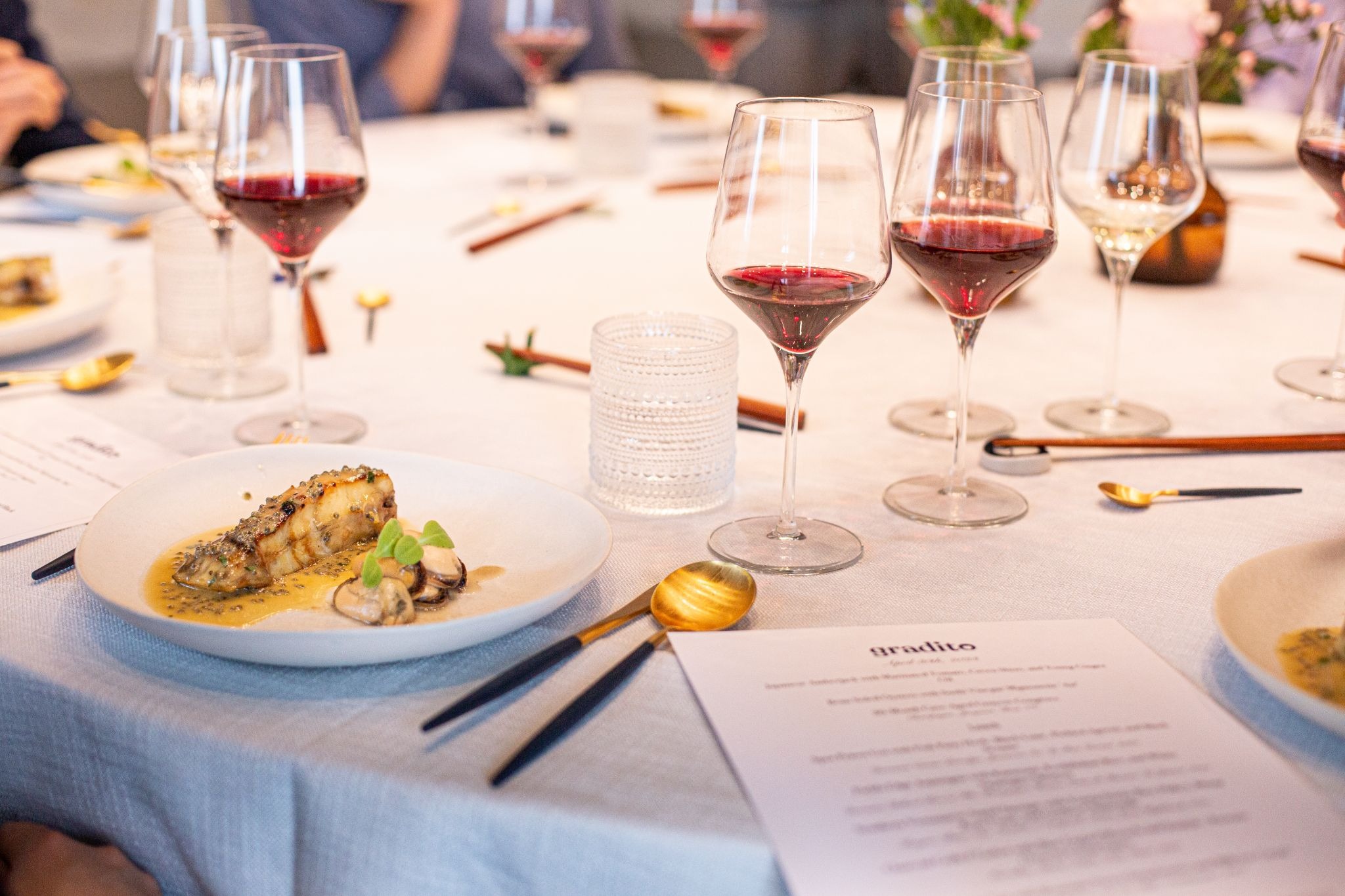
A private chef brings the same standard of presentation to a corporate dining room that you would expect from a high-caliber restaurant. Each plate is arranged with attention to detail, colors and textures are considered, and the overall look of the meal reinforces rather than undermines the quality of what is being served.
Over the course of an executive lunch or dinner, that consistent visual standard contributes meaningfully to how guests perceive the entire experience and, by extension, the organization that hosted it. Understanding what clients experience when working with a private chef for the first time helps set the right expectations before the first service.
Flexibility for Changing Needs
Corporate environments are inherently unpredictable. Guest lists change, schedules shift, dietary information arrives late, and what was planned on Monday morning may look quite different by the time the event actually takes place on Thursday afternoon. Standard catering contracts are not built for that kind of flexibility.
Changes often come with complications, additional costs, or compromises to the quality of what is delivered. A personal chef working in an executive dining context adapts to those changes as a natural part of the service rather than as an exceptional request that requires special handling.
If a key guest is added to the list that morning, if the timing of service needs to shift to accommodate a meeting that has run long, or if a dietary requirement comes to light that was not mentioned in the original brief, a skilled private chef absorbs those changes without the quality of the meal suffering.
That responsiveness is particularly valuable in executive settings where the people responsible for the event have a great deal else on their minds and cannot afford to spend significant attention managing the logistics of the food.
Creating a More Engaging Experience
The most memorable executive dining experiences are the ones where the food becomes part of the conversation rather than simply a backdrop to it. A skilled chef working in an executive dining room has the ability to create that dynamic in a way that standard catering services rarely achieve.
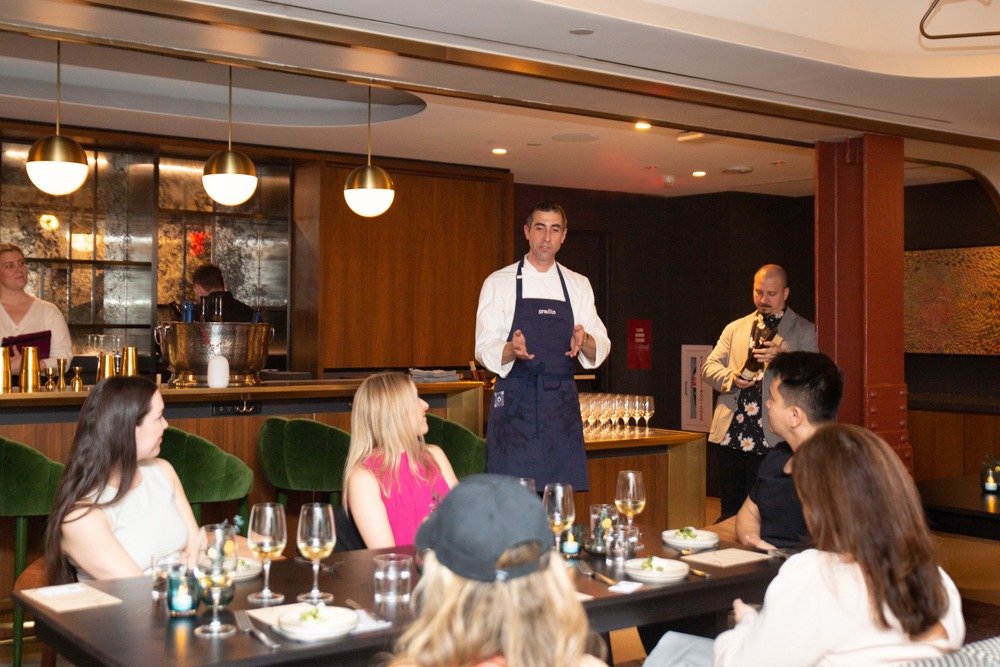
When guests can observe elements of the cooking process, engage with the person preparing their food, or simply sense the genuine care that has gone into what they are eating, the atmosphere of the meal shifts in a way that is difficult to quantify but very easy to feel.
These moments of engagement, subtle as they often are, contribute meaningfully to the experience guests take away from the occasion. A meal that felt alive and considered stays in the memory differently from one that was merely functional.
For companies using their executive dining room to build and strengthen relationships with clients and partners, that difference in how the experience lands is not a peripheral detail. It is central to whether the occasion actually achieved what it was designed to do.
The same principle applies whether you are hosting a formal corporate dinner or something more relaxed, and planning a corporate culinary experience that genuinely engages guests requires exactly this kind of intentional thinking from the outset.
Supporting Health and Wellness
Corporate attitudes toward employee and guest well-being have shifted significantly over recent years, and the food served in executive dining rooms is one of the areas where that shift has the most direct expression.
More companies are actively looking to align their dining options with broader wellness initiatives, offering food that is genuinely nourishing and thoughtfully composed rather than simply calorically convenient.
A personal chef is uniquely well-positioned to design menus around these priorities. Whether the goal is to support a low-carb eating approach, accommodate plant-based preferences across the group, or simply ensure that the food served is built from fresh, high-quality ingredients that people actually feel well after eating, a private chef builds those requirements into the menu design from the start.
That level of nutritional intentionality is difficult to achieve within the constraints of a standard catering contract, and for companies that take their wellness commitments seriously, it represents a meaningful advantage of the corporate chef catering model.
A Smart Long-Term Investment
The instinct to view corporate chef catering as a premium option reserved for exceptional occasions is understandable, but it tends to underestimate the long-term value the investment generates. The quality of a dining experience has a direct influence on how guests feel about the company that hosted it.
Clients and partners who are treated to a genuinely impressive meal, well-prepared, thoughtfully presented, and served with real care, associate that standard with the organization as a whole.
That association is built incrementally over multiple interactions, and it contributes to the kind of relationship quality that sustains long-term business connections in ways that are difficult to trace back to any single conversation or meeting.
When companies hire a private chef for their executive dining room, they are making a statement about their standards that extends well beyond the meal itself. They are communicating that detail matters, that the people they host are worth the additional investment, and that the organization operates with a level of care and quality that permeates even the less formal aspects of the working day.
How Gradito Supports Corporate Chef Catering
Finding the right chef for an executive dining room requires identifying someone who combines genuine culinary skill with the professional composure and organizational ability that a corporate environment demands.
Gradito connects businesses with experienced private and personal chefs who specialize in corporate catering, making it considerably easier to find a professional who understands the particular standards and expectations of executive dining.
Whether a company needs a chef for regular executive meals or for specific high-stakes occasions, Gradito simplifies the process of making that connection and ensures that the quality of the experience reflects well on the business from the very first service.