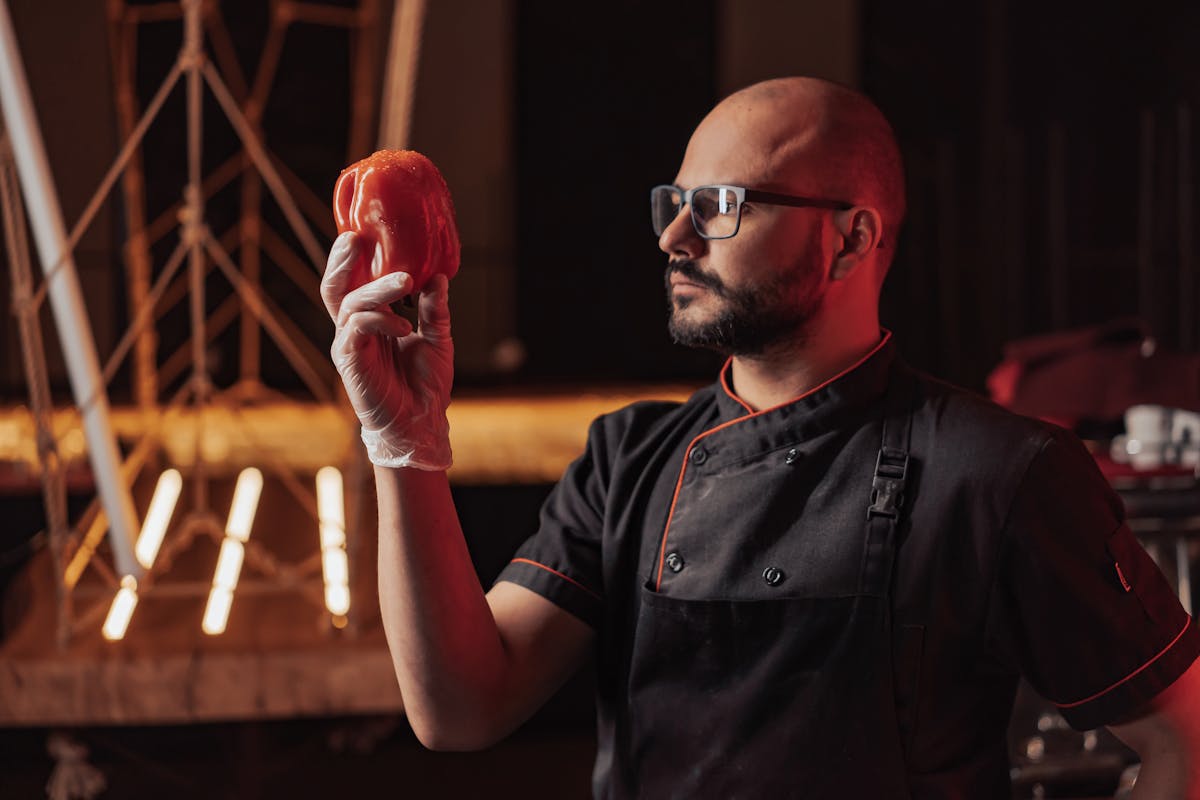
The life of an elite cooking chef looks very different from the outside than it does from within. Most people imagine the role as a kind of elevated version of restaurant cooking, refined dishes, beautiful plating, a spotless kitchen, and a satisfied client at the end of each service.
In reality, the experience is far more layered than that. It combines precision and creativity with the kind of interpersonal intelligence that most culinary training never explicitly teaches.
Whether working as a private chef for a single household or as a personal chef serving multiple clients throughout the week, an elite chef is not simply cooking meals. They are building trust, managing expectations, and delivering a complete experience that clients come to rely on in a deeply personal way.
What separates an elite cooking chef from someone who is merely competent in the kitchen is the ability to move past the technical execution of recipes and into the business of truly understanding people. Every client is different. Every household has its own rhythms, preferences, unspoken expectations, and shifting needs.
Navigating all of that while consistently producing food of the highest quality is what defines the role, and it is considerably more demanding and more rewarding than most people outside the profession ever appreciate.
A Day in the Life of an Elite Cooking Chef
The daily structure of an elite cooking chef varies depending on the type of arrangement they have with their clients, but the common thread is that the cooking itself represents only a portion of the working day.
A private chef serving a single household typically begins well before the first meal is needed, reviewing the day's menus, checking in on any dietary considerations or schedule changes, and planning the sourcing of ingredients with the same level of care a restaurant kitchen applies to its supply chain. Grocery shopping and ingredient sourcing are not peripheral tasks.
They are central to the quality of what ends up on the plate, and elite chefs treat them with corresponding seriousness. Knowing which markets carry the best produce on a given day, which suppliers can be trusted for specific proteins, and how to adapt a planned menu when a key ingredient is not at its best takes years of accumulated knowledge and ongoing attention.
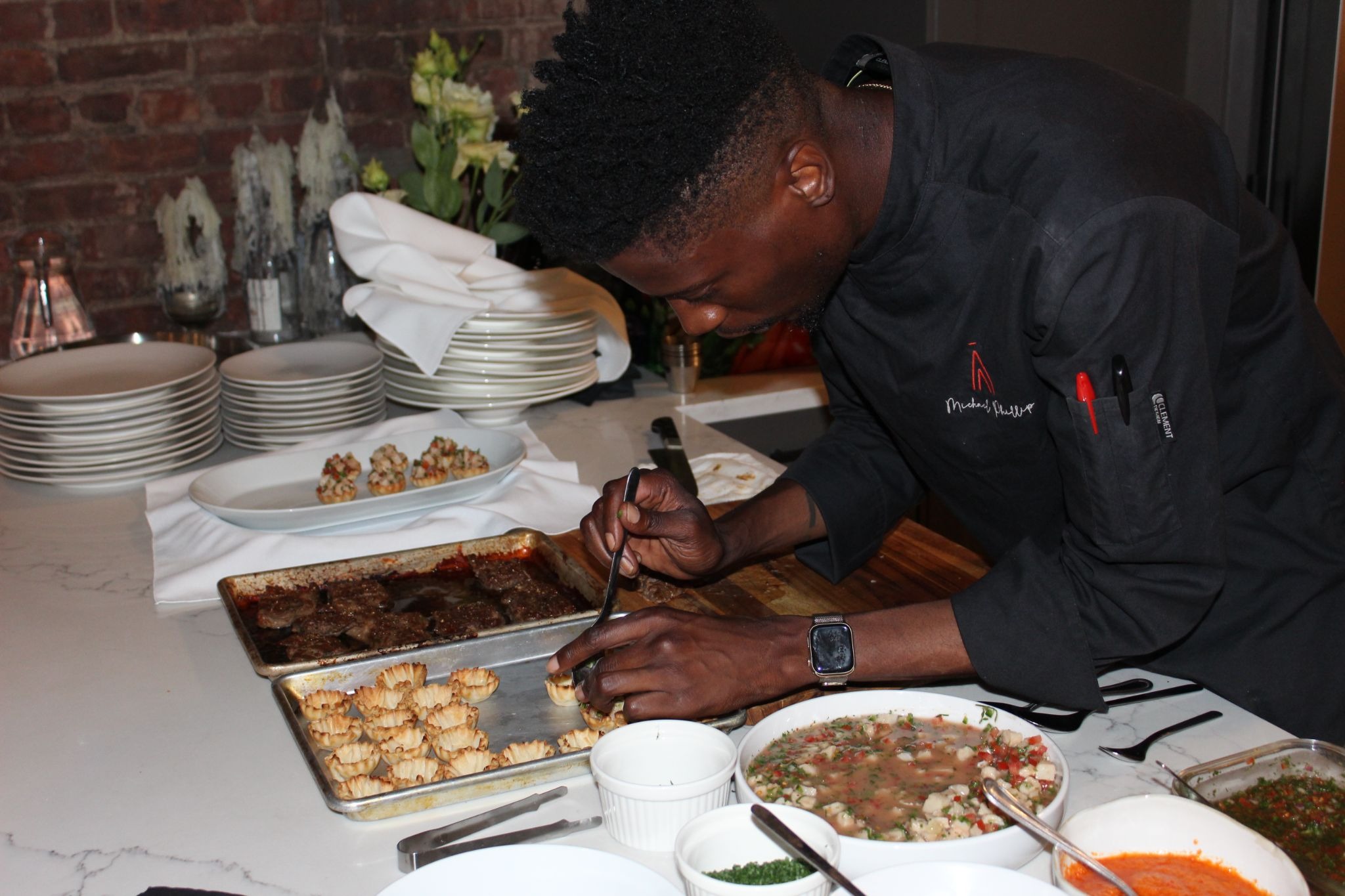
Once the sourcing is handled, the actual cooking begins, followed by plating with care and precision, service, and then full cleanup of the kitchen to the standard the client expects.
The entire sequence, from planning through to the end of cleanup, is what clients are engaging when they hire a private chef, and understanding that full scope is part of what makes the experience of working in this field so distinct from anything else in the culinary world.
The Pressure Behind Perfection
One of the defining features of being an elite cooking chef is the level of expectation that comes with the role, and the consistency required to meet it. Clients who invest in a private chef are not paying for occasional excellence punctuated by average meals.
They are paying for a reliable, high standard every single service, regardless of what else is happening in the chef's life or how complex the day's logistics turned out to be. That expectation is not unreasonable, but it does create a kind of sustained pressure that chefs working in this space need to be genuinely comfortable with.
Unlike restaurant kitchens, where the chef operates largely behind the scenes and the front of house team manages the client relationship, a private chef frequently works in direct view of the people they are cooking for. This visibility means that professionalism, composure, and the ability to communicate clearly under pressure are not optional soft skills.
They are core requirements of the job. A chef who produces exceptional food but is visibly stressed, uncommunicative, or difficult to be around in a home environment will not keep clients, regardless of how well the food tastes.
The personal dimension of the role demands as much as the culinary one. Reading about what clients expect from the private chef experience gives a useful sense of the standards that elite chefs are expected to meet consistently.
Building Personal Connections
One of the genuinely distinctive aspects of working as a personal chef, and one that most chefs who have made the transition from restaurant work described as among the most rewarding parts of the role, is the depth of the client relationship that develops over time.
Cooking in someone's home, learning their preferences, adapting to their routines, and becoming a trusted presence in their daily life creates a kind of professional intimacy that simply does not exist in a restaurant context.
Over weeks and months, an elite chef develops an increasingly detailed understanding of a client's tastes, the ingredients they gravitate toward, the flavors that do not work for them, how their preferences shift with the seasons, and the small details that transform a good meal into one that feels genuinely personal and considered.
That accumulated knowledge is enormously valuable, and it is what allows an elite private chef to operate with less and less explicit instruction over time, anticipating needs rather than waiting to be directed. Clients who experience this level of attentive, evolving service rarely want to go back to any other arrangement.
Creativity and Freedom in Cooking
For chefs who have spent years working within the constraints of a fixed restaurant menu, one of the most energizing aspects of elite private chef work is the degree of creative freedom the role can offer. When you are designing menus around a specific person's tastes rather than a broad dining room audience, the range of what is possible expands considerably.
You can experiment with ingredients and flavor combinations that would be too niche or too unfamiliar for a restaurant context. You can change the menu as often as the season, the client's mood, or an interesting ingredient at the market suggests. You can pursue cooking that is genuinely interesting to you rather than commercially calculated.
That creative freedom comes with its own discipline, of course. Dietary restrictions, allergies, nutritional goals, and deeply held food preferences all shape what is actually appropriate for any given client, and an elite chef learns to work creatively within those parameters rather than around them.
The skill is not in ignoring constraints but in finding inventive solutions within them, producing food that feels exciting and personal while remaining completely aligned with what the client actually needs and wants.

The Business Side of Being a Chef
An elite cooking chef operating in the private and personal chef space is, by necessity, also a small business owner, and the chefs who build the most sustainable careers are those who take that dimension of the work as seriously as the cooking.
Managing your own schedule, setting prices that reflect the genuine value of what you offer, communicating professionally with existing and prospective clients, and handling the financial and logistical administration of an independent practice are all part of the daily reality.
Pricing is one of the areas that new private chefs most commonly underestimate. Setting rates too low creates an unsustainable foundation that is difficult to correct later without disrupting existing client relationships.
Getting the pricing right from the start, which means understanding what the market expects and what your experience and skill genuinely justify, is one of the most important business decisions in the early stages of a private chef career.
Reliability is equally non-negotiable. Showing up precisely when expected, arriving fully prepared, and maintaining a consistently professional standard in every interaction is what builds the kind of reputation that generates referrals, and referrals are the primary engine of growth for most elite chefs working independently.
Challenges That Come With the Role
The experience of being an elite private chef is genuinely rewarding, but it would be dishonest not to acknowledge that the role comes with real challenges.
The physical demands of the work are substantial. Long stretches of standing, the heat and intensity of active cooking, and the energy required to maintain a high standard of presentation and service across the full duration of a day take a toll that is easy to underestimate from the outside.
Schedules in private chef work can also be unpredictable in ways that differ from the structured shifts of a restaurant. Client needs change, events get added or cancelled at short notice, and the flexibility that makes private chef work so appealing in some respects also means that genuine downtime can be harder to protect.
The emotional labor of being consistently personable, attentive, and professionally composed even on difficult days is another dimension that does not appear on any menu description but is very much part of the job.
Most chefs who have been doing this work for several years will tell you honestly that the personal connection with clients and the creative satisfaction of the role make all of it worthwhile, but going in with a clear-eyed understanding of what the challenges are is part of what allows people to build sustainable careers rather than burning out early.
Why More Chefs Are Choosing This Path
The movement away from traditional restaurant employment and toward private and personal chef work has been building steadily for years and shows no signs of slowing. The appeal is not hard to understand. Working directly with clients rather than within a corporate kitchen hierarchy gives chefs real control over the quality of their work and the conditions under which they do it.
The ability to set their own schedule, choose the clients they work with, develop their own culinary identity, and build a business that reflects their values rather than an employer's commercial priorities represents a fundamentally different relationship with their craft.
The market is also genuinely growing. More people are actively looking to hire a private chef for everyday household support, for special occasions, and for everything in between, which means the opportunity for talented chefs who are ready to step into this space is more accessible now than it has been at any point in the past.
How Gradito Supports Elite Cooking Chefs
Building a career as an elite cooking chef is deeply satisfying work, but finding the right clients, particularly in the early stages before a strong referral network is in place, is one of the most practically challenging parts of the journey. Gradito addresses this directly by connecting skilled culinary professionals with clients who are actively looking for exactly what they offer.
For a private or personal chef, that means access to a vetted audience of people who already understand the value of working with a professional and are ready to invest in the experience. Applying to join Gradito gives elite chefs a structured, professional platform to showcase their skills and build the client relationships that form the backbone of a long-term career in this field.