Hiring a private chef for an executive dinner is one decision. Knowing what actually happens on the night is another. Most hosts have a clear picture of the menu but a fuzzy picture of the evening, and that gap is where stress creeps in.
This guide covers the experience from the guest's seat and the host's seat. You will see how the evening unfolds, how service feels at the table, and what etiquette keeps the night smooth for senior guests.
If you are still choosing a chef, start with our guide on how to hire a private chef for executive dinner events. Come back here once you want to know what the night will feel like.
Hire a private chef with Gradito. Whether you're planning an intimate dinner, a celebration, or a corporate event, Gradito connects you with vetted private chefs in New York City.
What Happens Before Guests Arrive
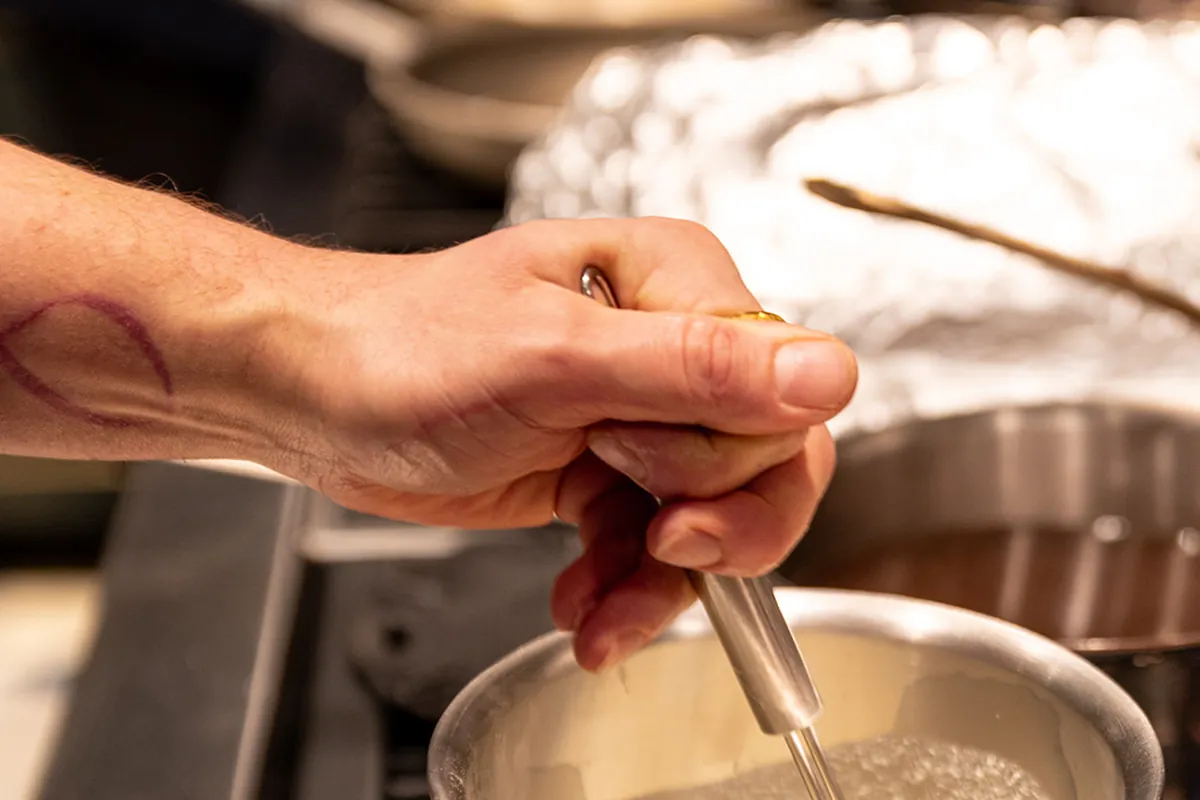
The evening starts well before anyone rings the doorbell. A private chef for an executive dinner usually arrives three to four hours ahead, depending on the menu and guest count. That window covers unloading, kitchen setup, final prep, and a walkthrough with the host.
Expect the chef to claim the kitchen quickly. Prep stations go up, ingredients are staged by course, and the stove and oven are brought to temperature. If the chef has a server or assistant, they use this time to set the table, polish glassware, and review the seating plan.
A good chef also confirms the details one last time. That includes the guest count, any last-minute dietary changes, the timing of speeches or toasts, and who on your team is the point person for the night. Having one designated contact keeps decisions from bouncing between five people.
Most hosts do very little during this stretch. Your job is to be reachable, keep the kitchen clear, and let the chef work.
A Typical Run of Show
Timing is the quiet backbone of a good dinner. Here is what a plated executive dinner for around ten to twelve guests often looks like.
Notice the spacing between courses. Most executive dinners run a course roughly every 25 to 35 minutes, which leaves room for real conversation without making guests feel rushed or stuck.
What the Dinner Feels Like at the Table
From the guest's seat, the experience should feel effortless. Plates arrive at the right moment, glasses stay filled, and nobody notices the choreography behind the scenes.
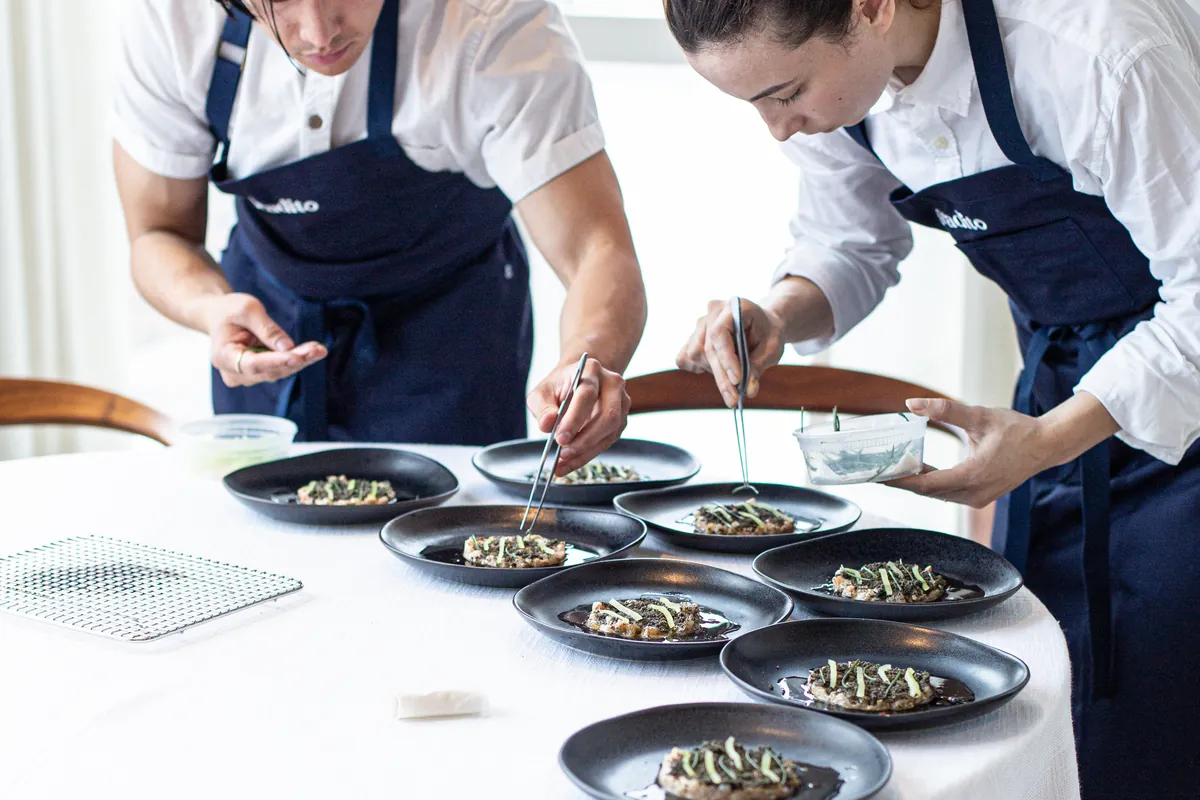
Service usually follows a quiet rhythm. A server presents each course, clears the previous one only after everyone has finished, and keeps conversation interruptions to a minimum. Many chefs step out briefly between courses to describe a dish, which gives guests something to talk about and adds a personal touch a restaurant rarely offers.
Pacing is the part guests notice most without realizing it. A chef who reads the room will slow a course when a story is mid-sentence and move along when conversation lulls. That judgment is a big reason hosts choose an executive dinner private chef over catering from a van.
Beverage service deserves a plan too. Decide early whether the chef or a separate server will pour wine, whether you want a pairing for each course, and how non-drinkers will be served. Offering a thoughtful non-alcoholic option shows the same care as the wine list.
Etiquette Tips for Hosts and Guests
A private dinner has its own social rules. A few simple habits keep the night comfortable for senior guests and the team around them.
- Greet guests personally. Meet each person at the door before the chef's team takes over, so introductions feel like yours and not the staff's.
- Confirm dietary needs in advance. Never ask guests to explain a restriction at the table. Let the chef handle it quietly before the night.
- Time toasts around service. Tell the chef when you plan to speak so a course is not mid-plate when you stand.
- Keep the kitchen off limits. Guests should not wander in to chat with the chef during service. A quick thank you at the end is welcome.
- Thank the chef before guests leave. A brief acknowledgment from the host sets the tone and often earns the chef's best effort for future events.
These habits matter most when the guest list includes clients, board members, or senior leaders. Small details signal that the evening was planned with care.
Setup, Breakdown, and What You Leave Behind
Hosts often forget that a dinner has a back end. Plan for it, and the evening ends as smoothly as it began.
During service, the chef keeps dirty dishes and prep work out of sight. Expect a staging area in the kitchen for plated courses and a separate spot for used plates. If your space is tight, tell the chef early so they can plan the workflow around it.
After the last guest leaves, breakdown begins. The chef packs equipment, wipes down surfaces, handles trash, and returns the kitchen to the condition it was in on arrival. Ask whether your quote includes cleanup and extra staff for larger groups, since both affect how quickly the space is back to normal.
If the dinner is held at a venue instead of a private home, confirm building access, loading rules, and kitchen permissions in advance. Venue logistics are one of the most common sources of last-minute surprises.
Making the Night Memorable
The best executive dinners feel personal. Share a few details with your chef about the guests, such as favorite cuisines, shared history, or the reason for the gathering, and let the menu reflect it.
If the dinner is part of a bigger event, like a leadership offsite or a team celebration, our articles on why more companies choose a private chef for corporate retreat meals and why a team-building dinner with a private chef beats a restaurant outing show how the same approach works for larger groups.
Whatever the occasion, remember what you are really buying: an evening where you can be a host instead of a coordinator. The chef carries the logistics, and you carry the conversation.
Ready to book a private chef? Gradito makes it simple to find and hire a professional private chef for any occasion in New York City. From intimate dinners to large events, every experience is personalized to you.

From a recent Gradito dinner
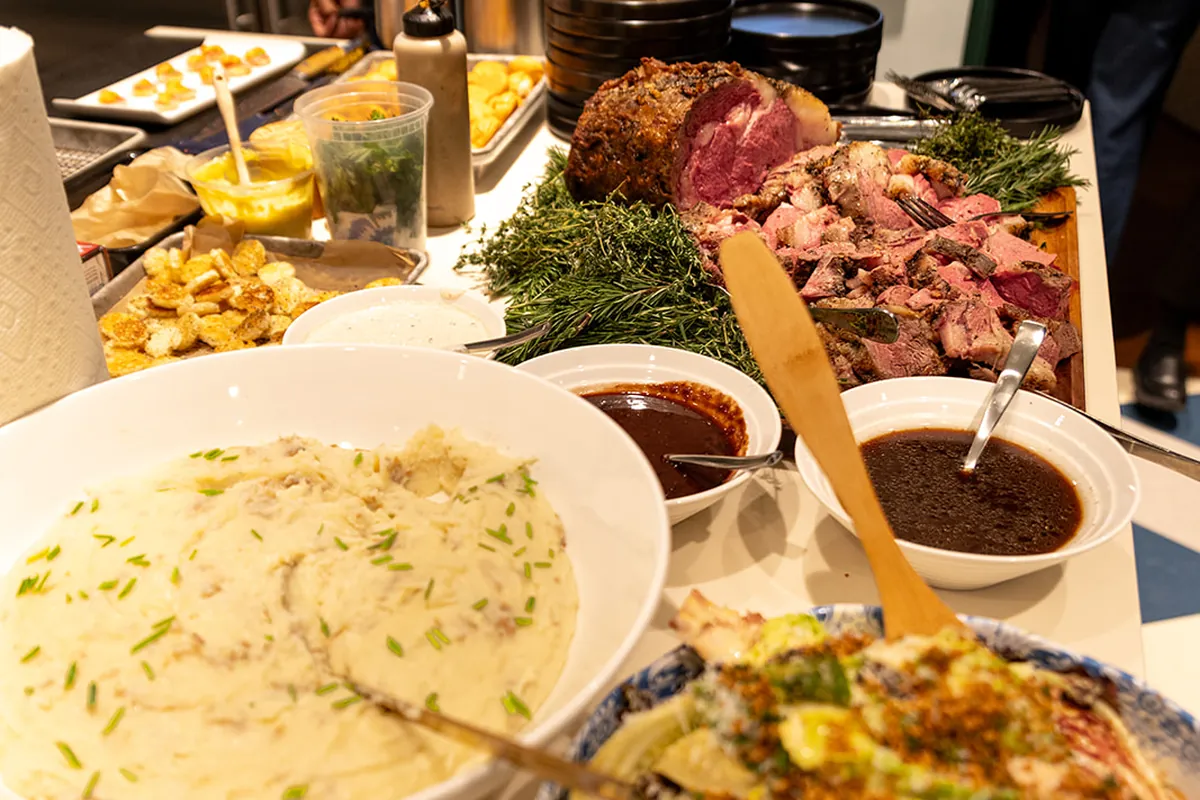
This menu was served at a private dinner in New York last month.
Reserve your own evening — same chef, your menu, your home.
FAQs
Most chefs arrive three to four hours before guests, depending on menu complexity and group size. That window covers setup, prep, and a walkthrough with the host.
A working oven, stovetop, and clear counter space are usually enough. Your chef will confirm equipment needs ahead of time and bring specialty tools.
It depends on your booking. Some chefs bring a server who pours wine and manages beverages, while others focus on food only, so confirm this when you book.
Tell your chef right away. A professional chef can adjust a dish or prepare a safe alternative, and sharing allergens in advance prevents last-minute scrambling.
Yes, in most cases. The chef breaks down the kitchen and leaves it in the condition it was found, but confirms cleanup is included in your quote.