


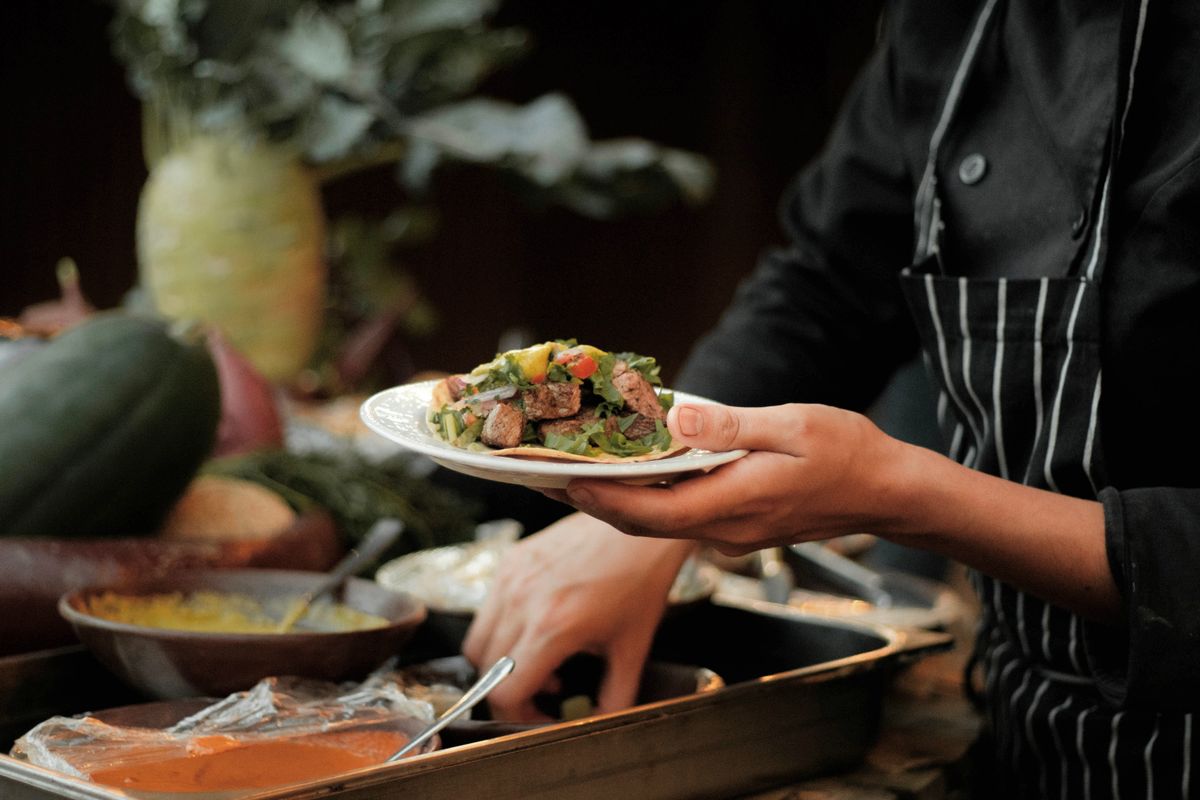


Family business chefs often carry a unique culinary heritage that reflects both tradition and creativity. These chefs are not simply cooks working in a professional kitchen. They are custodians of food traditions that may span generations. The recipes they use are rarely random or purely experimental. Instead, they come from a rich blend of family history, cultural influence, professional experience, and personal creativity.
Understanding where family business chefs get their recipes helps reveal the depth behind the meals they create. Each dish often tells a story about family roots, regional ingredients, and years of refinement. In many cases, these recipes have been passed down from grandparents, parents, and mentors, evolving slightly with every generation.
The world of family business chefs is built on respect for tradition while still embracing modern techniques. Their recipes reflect this balance between honoring the past and adapting to the present.
Recipes Passed Down Through Generations
One of the most common sources of recipes for family business chefs is family tradition. Many family-run kitchens rely on handwritten cookbooks, memory-based instructions, or recipes that have been practiced for decades.
A grandmother’s pasta sauce, a father’s slow-roasted meat recipe, or a great aunt’s secret pastry dough may become the foundation of a family culinary business. These recipes are often refined over time as each generation adds its own small adjustments.
For many family business chefs, these inherited recipes represent more than just food. They represent identity and continuity. When guests enjoy these dishes, they experience flavors shaped by years of practice and cultural influence.
Because these recipes are so closely tied to family history, they are often carefully protected. Some family business chefs may adjust measurements slightly or introduce new ingredients, but the essence of the dish remains the same. This blend of tradition and adaptation keeps family kitchens relevant while honoring their roots.
Cultural and Regional Food Traditions
High-end recipe chefs also draw inspiration from the broader culinary traditions of their culture and region. Food traditions are deeply tied to geography, climate, and local agriculture. As a result, recipes often reflect the ingredients most readily available in a particular area.
For example, coastal regions might inspire seafood-focused recipes, while mountainous regions may favor hearty stews and preserved foods. These regional influences shape the cooking styles of family business chefs and help define their signature dishes.
Cultural celebrations and holidays also contribute to recipe development. Dishes prepared for weddings, religious holidays, or seasonal festivals often become staples in family kitchens. Over time, these meals transition from special-occasion dishes to menu favorites in family-run businesses.
Through these influences, family business chefs maintain a strong connection to the communities and traditions that shaped their culinary identity.
Professional Training and Culinary Experience
Although tradition plays a significant role, many family business chefs also develop their skills through professional experience. Culinary schools, restaurant apprenticeships, and years spent working in different kitchens can influence how chefs refine their recipes.
Training introduces chefs to new techniques, flavor combinations, and cooking methods. These skills allow family business chefs to elevate traditional recipes while maintaining their original character.
For example, a chef may learn modern plating techniques, improved cooking methods, or better ingredient sourcing during their professional training. These lessons can enhance family recipes without altering their core flavor.
Professional experience also exposes chefs to global cuisines. This exposure often leads to subtle adjustments in family recipes, such as adding a new spice, improving texture, or introducing a new cooking method.
Family business chefs often combine these professional techniques with inherited recipes, creating dishes that feel both timeless and contemporary.
Inspiration From Seasonal Ingredients
Another important source of recipes for family business chefs is seasonal ingredients. Cooking with fresh, seasonal products allows chefs to highlight natural flavors and maintain a dynamic menu.
Seasonal cooking has always been a key part of traditional kitchens. Families historically cooked with what was available at certain times of the year. This practice continues today, especially among chefs who prioritize quality and sustainability.
For family business chefs, seasonal ingredients often inspire new variations of existing dishes. A classic soup may be adjusted to include fresh summer vegetables. A winter dessert might highlight citrus fruits that are in peak season.
Working with seasonal ingredients encourages creativity while still respecting traditional cooking methods. It also ensures that dishes maintain a sense of freshness and authenticity.
Personal Creativity and Recipe Development
While many recipes come from tradition, family business chefs are also creative professionals who enjoy experimenting in the kitchen. Over time, chefs begin to develop their own signature dishes that become part of the family legacy.
This creativity may begin with small adjustments to existing recipes. A chef might change a cooking time, introduce a new herb, or experiment with a presentation. As these adjustments are refined, they can become permanent additions to the menu.
Personal creativity allows family business chefs to express their culinary identity. It also helps ensure that the business continues to evolve with changing tastes and dining trends.
New recipes often emerge from simple experimentation. A chef might combine ingredients that reflect both family tradition and modern influence. If the dish resonates with guests, it can quickly become a new family favorite.
Over time, these original creations become part of the story that future generations will inherit.
Influence From Guests and Community
Family business chefs often maintain close relationships with their guests and the local community. These interactions can also shape the development of recipes.
Guests may request specific flavors, dietary adjustments, or variations of existing dishes. In response, chefs may adapt recipes to meet these preferences better while still preserving the essence of their cooking style.
Community feedback can also inspire innovation. Local farmers, fishermen, and artisans often introduce chefs to new ingredients or techniques. These relationships help family business chefs expand their culinary repertoire.
Because family-run kitchens tend to be more personal than large commercial restaurants, the connection between chef and guest is stronger. This dynamic allows recipes to evolve naturally based on real experiences and conversations.
Preserving Recipes for Future Generations
One of the most important responsibilities of family business chefs is preserving recipes for future generations. As culinary traditions evolve, chefs often take steps to document their methods and ingredients.
Some families maintain detailed recipe books that record measurements, cooking times, and preparation techniques. Others rely on mentorship, passing knowledge from parent to child through hands-on experience.
Preserving recipes ensures that the family culinary legacy continues. It also allows future chefs to build upon the work of previous generations.
By maintaining these traditions, family business chefs contribute to the broader cultural history of food. Their recipes become part of a living archive that connects past, present, and future culinary experiences.
The Lasting Legacy of Family Business Chefs
Family business chefs do not simply follow recipes. They build upon generations of culinary knowledge while adding their own creativity and expertise. Their recipes come from many sources, including family traditions, regional cuisine, professional training, seasonal ingredients, and community influence.
The result is a culinary experience that feels authentic, personal, and deeply rooted in history. Every dish prepared by family business chefs carries layers of meaning that extend far beyond the ingredients on the plate.
For guests, dining with family business chefs offers more than just a meal. It offers a connection to tradition, craftsmanship, and the stories that shape great food. Over time, the recipes these chefs create and preserve will continue to inspire future generations of cooks and food lovers.
Ready to Bring a Private Chef to Your Table?
Whether you're planning an intimate dinner at home, a milestone celebration, or a fully catered private event, Gradito makes it simple to connect with vetted chefs who match your taste, budget, and occasion. Every booking is built around your preferences, so the experience feels effortless from the first conversation to the last course.
Book a quick call with our team to talk through your vision: Schedule a 30-Minute Consultation
Planning something larger? Tell us about your event and we'll handle the rest: Submit a Private Event Inquiry


