


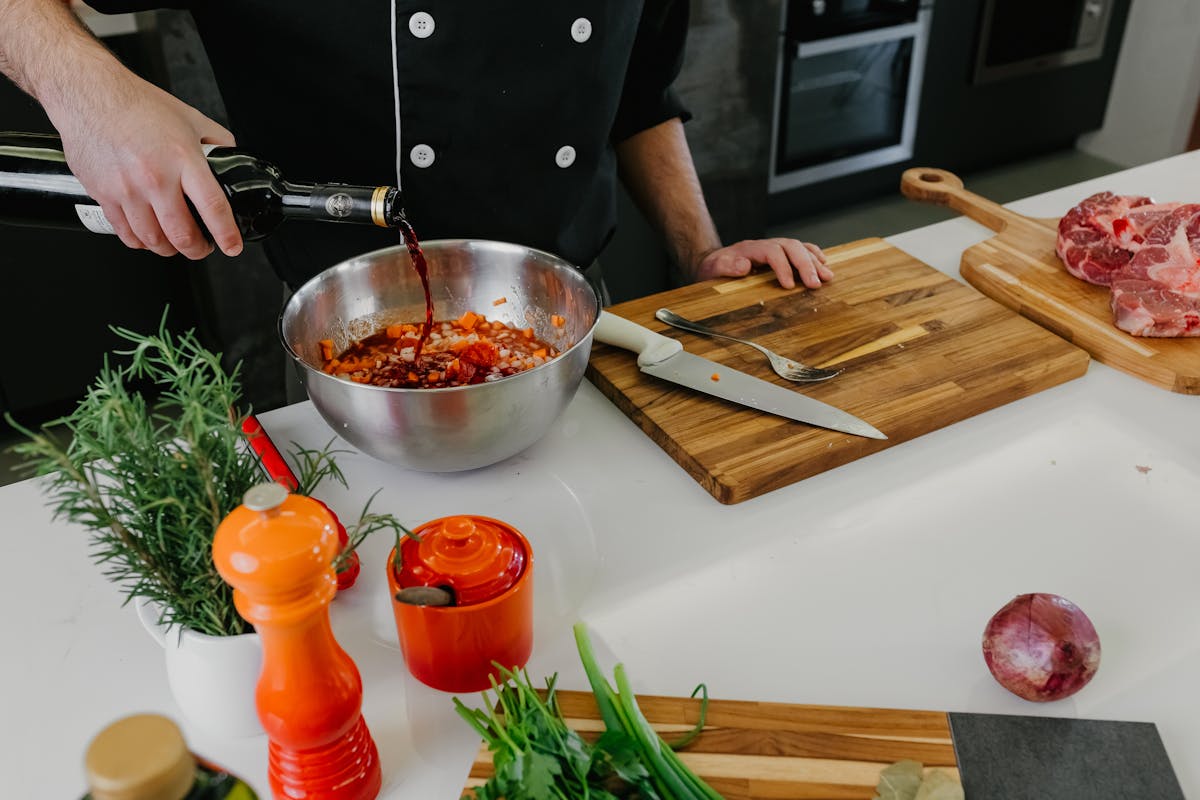


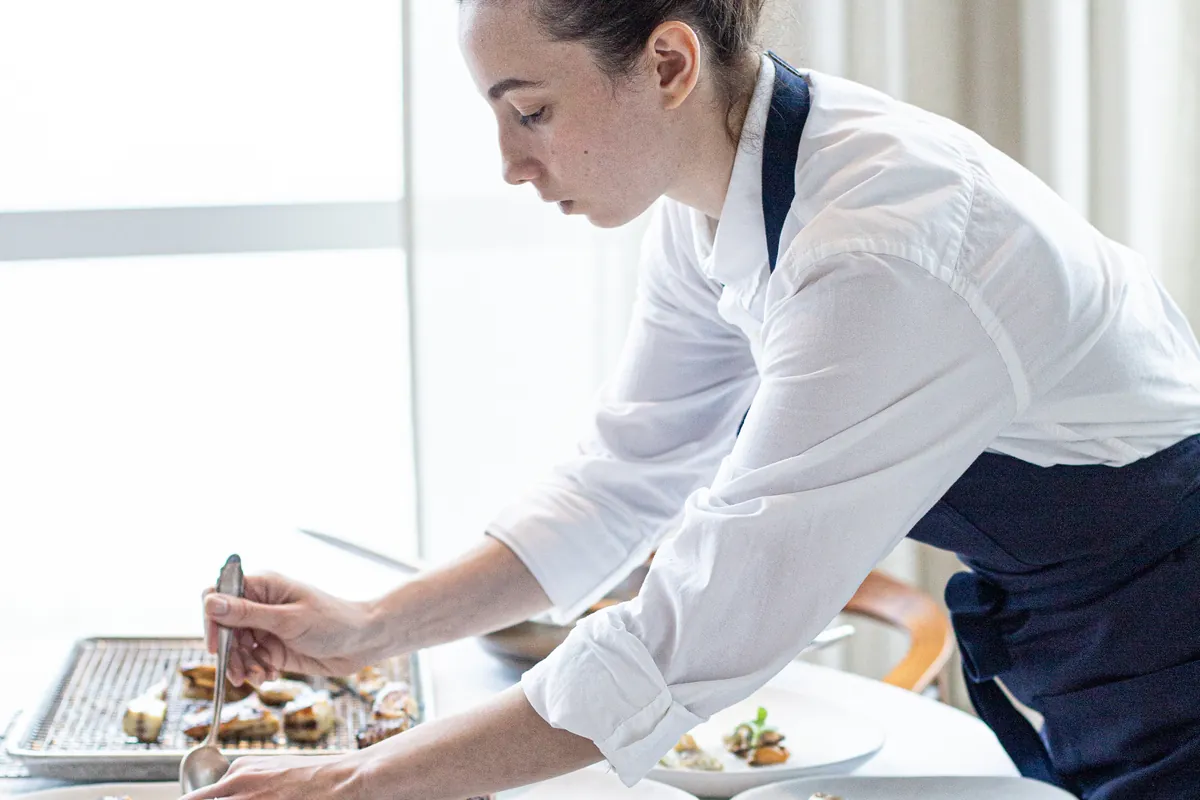
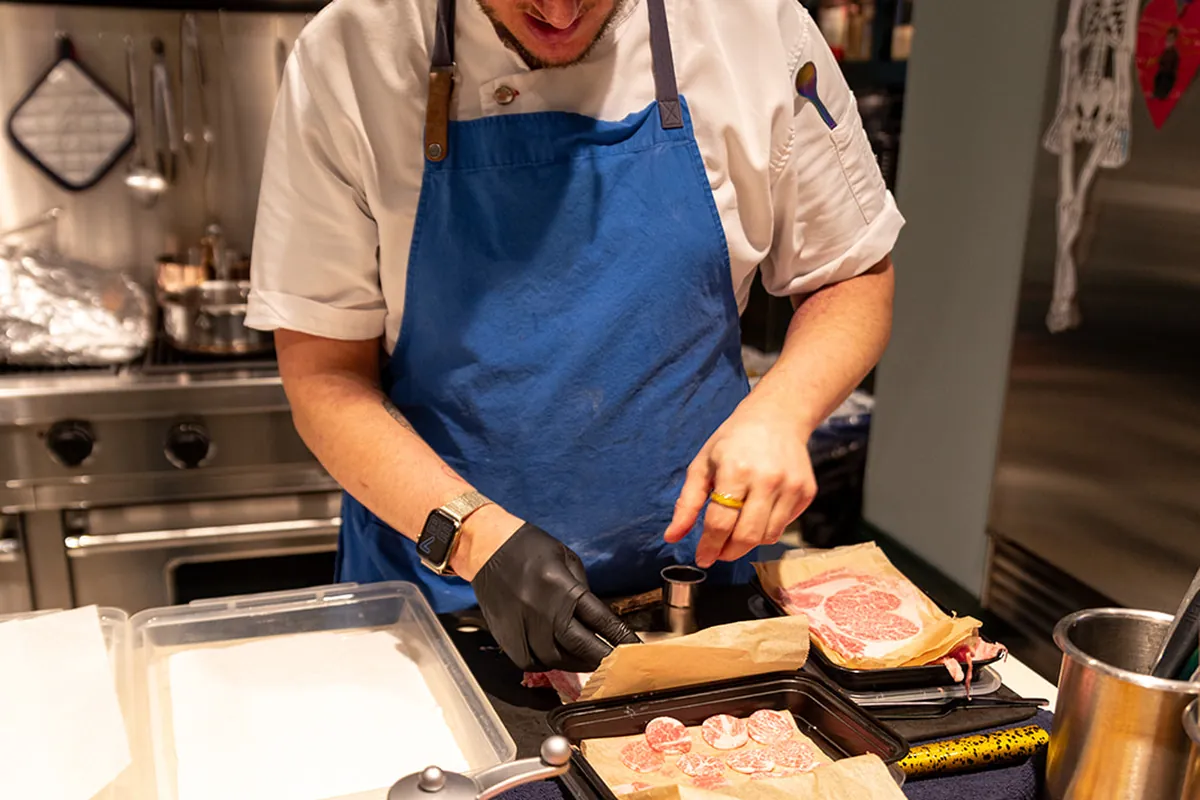
The traditional path for a culinary professional has long followed a well-worn route through restaurant kitchens, working long hours under high pressure, moving up through brigade-style hierarchies, and measuring success by the prestige of the establishment rather than the quality of the individual working relationship.
For many chefs, that path is genuinely fulfilling. But a growing number of culinary professionals are choosing a different direction, one that offers more autonomy, more creative control, deeper client relationships, and a working rhythm that is fundamentally different from the relentless pace of a commercial kitchen. Private chef work is that direction, and the demand for skilled professionals in this space is expanding steadily as more people discover the value of having a talented chef working directly for them.
Making the move into a private chef career is not simply a matter of deciding you want to do it and waiting for clients to find you. It requires a clear understanding of what the role actually involves, a realistic assessment of the skills you already have and the ones you still need to develop, and a structured approach to building the kind of reputation and client base that sustains a career over the long term. The good news is that the fundamentals are learnable, the market is receptive, and for chefs who approach it thoughtfully, this career path can be significantly more rewarding than anything a traditional kitchen can offer.
Understanding What the Role Actually Demands
Before building a private chef career in earnest, it is worth being completely honest about what the day-to-day work involves, because it differs from restaurant work in ways that go beyond the obvious. A private chef is not simply a cook who happens to work in someone's home. The role typically encompasses menu planning, grocery shopping and ingredient sourcing, daily meal preparation, kitchen management, cleanup, and in many cases the coordination of food for special events and gatherings. In a full-time household arrangement, you are effectively managing an entire dimension of someone's daily life, which means you need to be reliable, proactive, and organized in ways that go well beyond culinary skill alone.
Some private chefs work exclusively with one household on a full-time basis, serving as a dedicated culinary resource for every meal. Others operate more like a personal chef, building a roster of multiple clients and moving between them throughout the week to provide meal prep, dinner service, or event cooking on a scheduled basis. Both models have their advantages, and the right choice depends on your personal working style, your income targets, and the kind of client relationships you want to develop.
Understanding which direction appeals to you before you start is important because it shapes the way you market yourself, the rates you set, and the type of clients you pursue. You can read more about what clients expect from private chefs to get a clearer sense of the standards and expectations that come with both arrangements.
Culinary Skill Is the Foundation, But Consistency Is What Keeps Clients
It might seem obvious to say that being a strong cook is the first requirement of a successful private chef career, but what is less obvious is the specific quality of cooking that matters most in this context. Restaurant diners encounter a chef's food once, maybe a handful of times, and the experience does not need to be perfectly calibrated to their individual tastes. A private chef's work is evaluated every single day by the same person or family, and the standard that matters is not occasional brilliance but consistent excellence.
This means that building genuine depth across a range of cuisines, dietary approaches, and cooking styles is more important in private chef work than developing a narrow specialization. Clients have varied tastes, changing health goals, and evolving preferences. A chef who can move confidently between Japanese-inspired dishes, Mediterranean cooking, plant-based menus, and classic comfort food is far better positioned to serve a long-term client than one who is exceptional within a single culinary tradition.
Spending time deliberately expanding your repertoire before launching fully into private chef work pays dividends for years afterward. Restaurant experience, even if it is not at the very top end of the industry, is valuable for exactly this reason. It trains the kind of discipline, timing, and ability to work under pressure that translates directly into the reliability clients depend on.
Running a Private Chef Business Like a Professional
One of the most common pitfalls for chefs transitioning into private work is underestimating the business side of what they are taking on. A private chef is not just a culinary professional. They are a small business owner, and all the responsibilities that come with that title apply from day one. Pricing your services correctly, communicating clearly about what is and is not included, managing invoices and payments, handling scheduling logistics, and presenting yourself professionally in written and verbal communications are all skills that require as much attention as your cooking, at least in the early stages of building a career.
Pricing is a particular area where new private chefs frequently stumble. Setting rates too low might attract initial clients but creates an unsustainable baseline that is difficult to recover from without damaging those relationships. Setting rates too high without the experience or reputation to support them makes it harder to build a client base in the first place. The right approach is to research the market carefully, understand what experienced private chefs in your area charge, and position yourself honestly within that range based on your actual skill level and experience. As your reputation grows, your rates should grow with it, and clients who genuinely value your work will follow that progression without complaint.
Building Your First Clients and Your Reputation
The earliest stage of a private chef career is often the hardest, not because the work itself is beyond reach but because finding the first paying clients without an established track record requires creativity and patience. Starting with people in your existing network, friends, family, former colleagues, and professional contacts, is a completely legitimate and often underutilized starting point. Cooking for people in your network at a discounted or complimentary rate in exchange for honest feedback and word of mouth referrals is a practical way to build both confidence and credibility simultaneously.
Small paid engagements such as dinner party cooking, weekly meal prep for individual households, or event catering for modest occasions are all useful entry points that help you develop a feel for the rhythms and expectations of private client work before committing to anything more substantial. Each of these experiences also gives you material for the portfolio that will eventually become one of your most important marketing tools. Photographs of your dishes, sample menus, and brief descriptions of past work all contribute to the picture a prospective client forms of you before they decide whether to make contact. You do not need a sophisticated presentation at the start. You need something honest, visually appealing, and specific enough to communicate your style and capabilities clearly.
The Qualities That Separate Good Private Chefs From Great Ones
Technical cooking ability and business competence are necessary, but the private chefs who build genuinely strong careers tend to share a set of qualities that go beyond both. Adaptability sits near the top of that list. No two clients are alike, and within a single client relationship, needs and preferences shift over time, sometimes gradually and sometimes quite suddenly. A chef who responds to those shifts with flexibility and creativity, rather than resistance or rigidity, builds the kind of trust that keeps clients coming back year after year.
Communication is equally critical. The ability to listen carefully, confirm understanding, ask the right questions before problems arise, and address issues directly when they do is what separates a chef who is easy to work with from one who creates friction despite serving good food. Clients who feel genuinely heard and consistently well-served become advocates, and in an industry where personal referrals remain one of the primary drivers of new business, that advocacy is worth more than any amount of advertising.
Attention to detail in every aspect of the role, not just the cooking itself but also the punctuality, the cleanliness of the kitchen after a service, the accuracy of grocery spending, and the care taken in menu planning, signals to clients that you take the role seriously and that you can be trusted with the full scope of what you have been asked to manage. It is the accumulation of these details over time that transforms a working relationship into a long-term partnership.
How the Private Chef Market Is Growing
The broader market for private and personal chef services has expanded considerably in recent years, driven by a convergence of factors that show no signs of reversing. Busy professional schedules, a growing interest in the quality and provenance of food, the rise of remote working and increased time spent at home, and a general cultural shift toward personalized services over standardized ones have all contributed to a larger, more varied pool of clients actively looking for private chef support. Understanding what those clients are actually paying for and what they value most helps any chef entering this space position their services more effectively and speak to client priorities with genuine insight.
How Gradito Supports Chefs at Every Stage
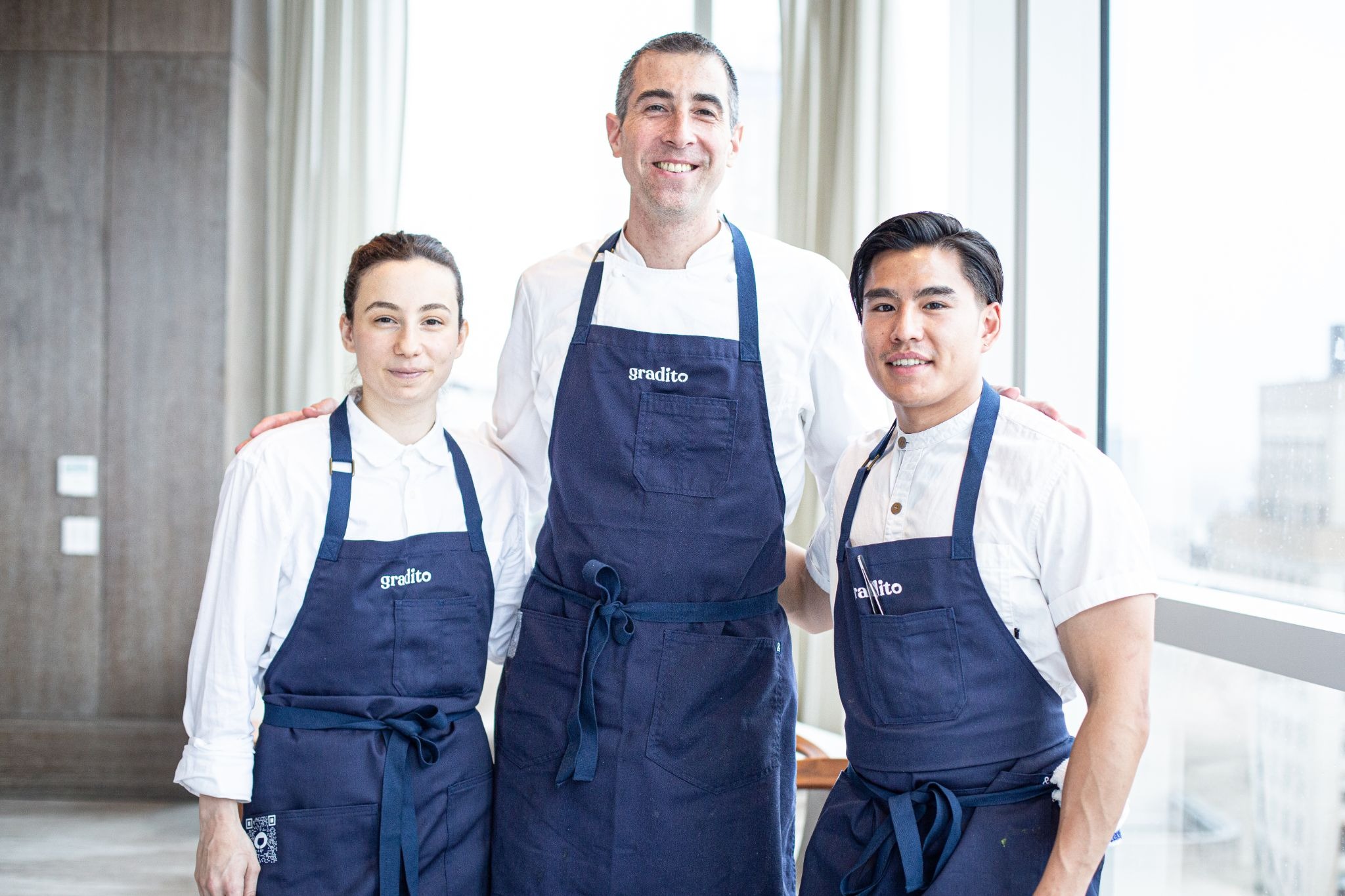
One of the practical challenges of building a private chef career independently is the gap between being ready to work and actually finding the clients who need you. Gradito bridges that gap by connecting skilled culinary professionals with clients who are actively looking to hire a private or personal chef. The platform provides a structured, professional way to present your skills, reach a vetted audience, and build the kind of client relationships that form the backbone of a sustainable career.
Whether you are just beginning and looking for your first paid engagements or you are an experienced chef ready to grow your client base more deliberately, applying to join Gradito puts your work in front of people who are already committed to finding the right chef for their household or event. It is one of the most direct routes available for turning genuine culinary skill into a thriving private chef career.
Ready to Bring a Private Chef to Your Table?
Whether you're planning an intimate dinner at home, a milestone celebration, or a fully catered private event, Gradito makes it simple to connect with vetted chefs who match your taste, budget, and occasion. Every booking is built around your preferences, so the experience feels effortless from the first conversation to the last course.
Book a quick call with our team to talk through your vision: Schedule a 30-Minute Consultation
Planning something larger? Tell us about your event and we'll handle the rest: Submit a Private Event Inquiry


