


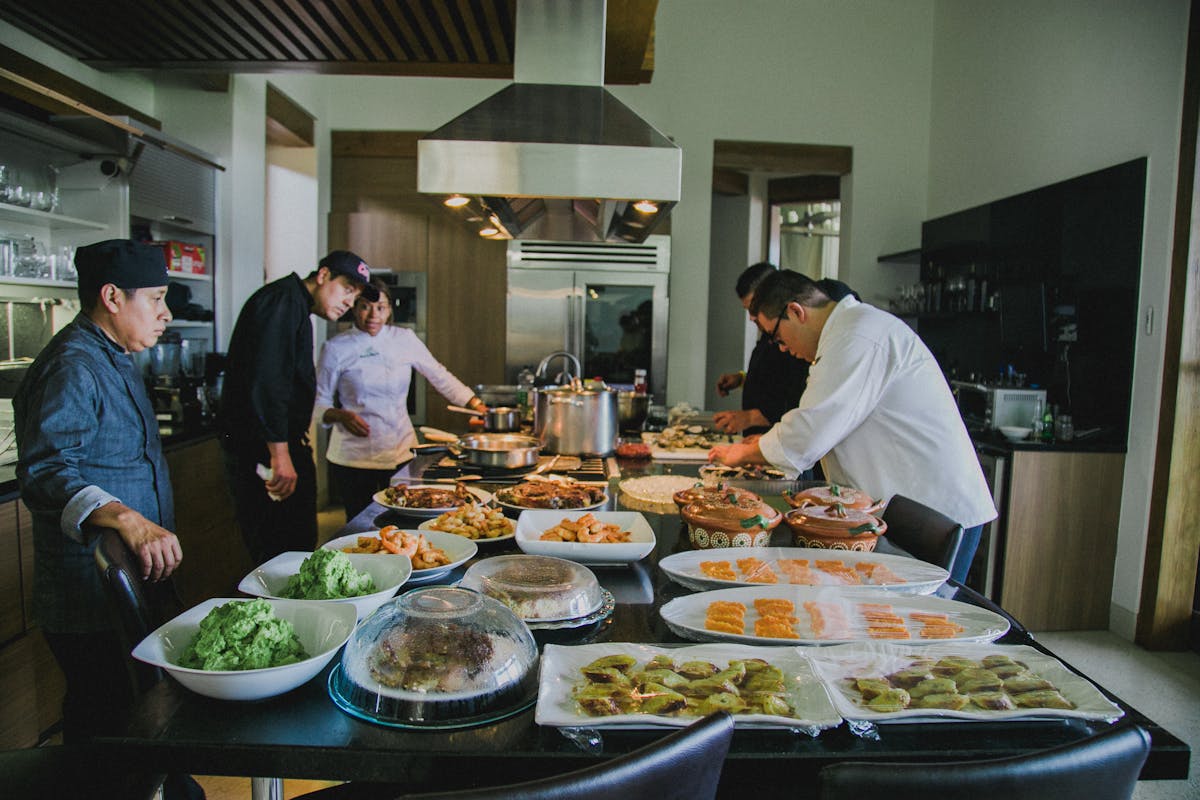

Most people have had the experience at some point. You sit down to a meal prepared by a professional chef, whether at a restaurant or at home through a private chef service, and something about it just works in a way that is hard to pin down. The dish might not even be complicated. It could be a simple roasted vegetable, a piece of seared fish, or a bowl of pasta. But it tastes noticeably better than the version you would make yourself, even if you followed the same recipe with the same ingredients.
That gap is real, it is consistent, and it is not down to some mysterious culinary gift that only a select few possess. It comes from a combination of knowledge, technique, habit, and attention that professional chefs develop over years of practice and that most home cooks simply have not had the time or opportunity to build.
Understanding what actually goes into making food taste the way it does at the hands of a skilled chef is not just an interesting question for the curious. It also helps explain why so many people who have experienced private chef cooking at home describe it as genuinely transformative, not just more convenient, but categorically better in ways that change how they think about meals entirely.
It Begins Before Anything Goes in the Pan
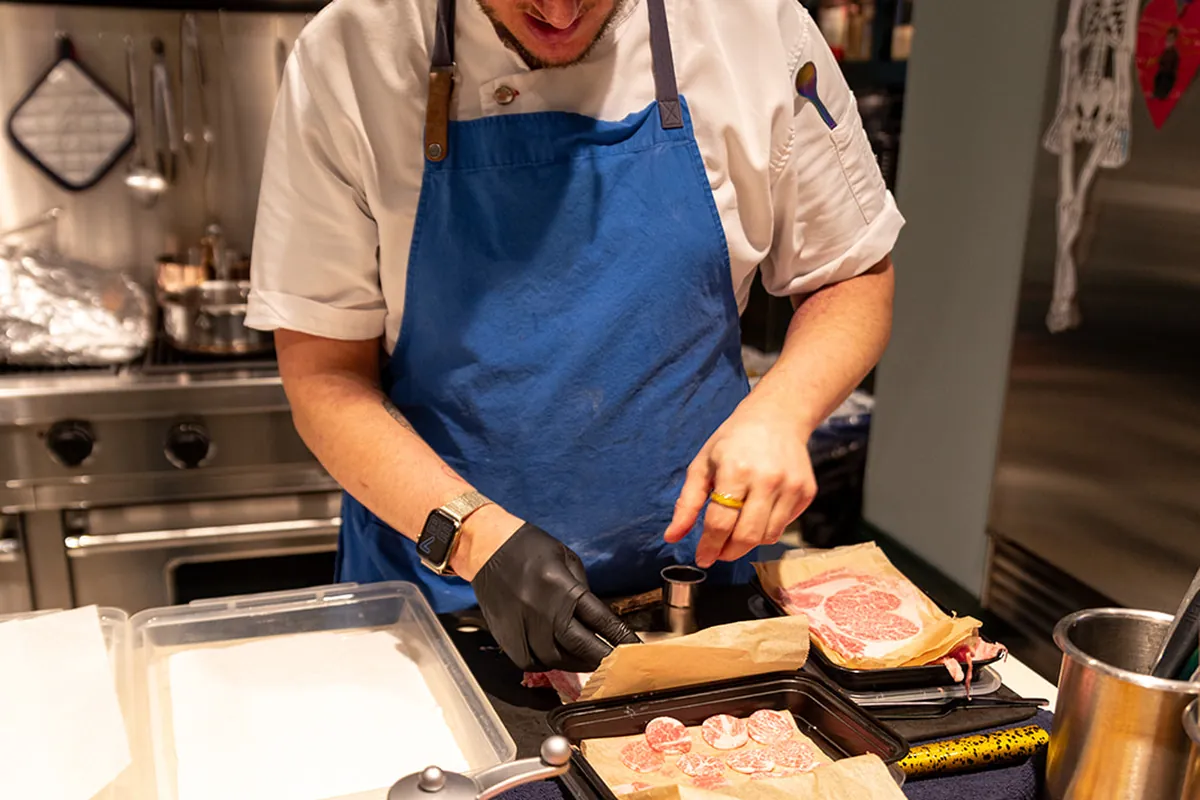
One of the least visible but most consequential differences between a professional chef and a home cook is what happens before the cooking starts. Ingredient selection is where the quality of a dish is largely determined, and professional chefs approach it with a level of intention and knowledge that takes years to develop. A skilled private chef knows which markets to visit, which suppliers to trust, which cuts of meat are worth paying for, and crucially, which produce is actually at its best on any given week based on the season and what is genuinely fresh rather than what simply looks acceptable on a shelf.
Seasonality plays a bigger role in great food than most people realize. Produce that is in season at the right time of year requires far less work to taste good. The natural sugars are more concentrated, the textures are better, and the flavors are more expressive. A tomato bought in the height of summer from a local grower and a tomato bought in January from a supermarket shelf are not really the same ingredient in any meaningful culinary sense, even if they look similar. Professional chefs understand this and build their menus around what is genuinely excellent right now rather than defaulting to a fixed list of ingredients regardless of the time of year. When you hire a private chef, that expertise in sourcing is part of what you are paying for, and it shows up on the plate every single time.
The Science of Flavor Balance
Ask a professional chef what separates good cooking from great cooking and the answer will almost always involve balance. The fundamental elements of flavor, salt, sweetness, acidity, fat, and bitterness, interact with each other in ways that can either deepen and round a dish or leave it feeling flat, heavy, or one-dimensional. A professional chef tastes constantly throughout the cooking process, not just at the end, making continuous micro-adjustments that collectively determine whether a dish lands exactly right or falls slightly short.
Salt is the most foundational of these adjustments and the one that home cooks most commonly underuse or apply at the wrong point in cooking. Professional chefs salt at multiple stages, using it not simply to make food taste salty but to draw out and amplify the natural flavors of every component. Acid, whether that comes from citrus juice, vinegar, wine, or fermented ingredients, performs a different but equally important function. A squeeze of lemon at the end of a rich dish does not just add sourness. It lifts the entire flavor profile, cuts through heaviness, and makes the whole thing taste more alive. That is not an instinct most people develop without guidance and repetition. It is a learned skill that takes significant time to internalize.
Fat is another element that professional chefs use with precision rather than hesitation. A finish of good butter, a drizzle of quality olive oil, or a properly rendered fat from meat adds richness and a carrying quality that makes other flavors linger on the palate in the most satisfying way. The interplay between all of these elements, adjusted throughout cooking rather than corrected at the end, is what gives professionally prepared food its characteristic depth and completeness.
Heat Control and Technical Precision
The way a professional chef uses heat is one of the most technically significant differences between restaurant-quality cooking and what most people produce at home. Heat is not simply on or off, high or low. Different proteins, vegetables, and grains behave differently under different temperatures and over different timescales, and knowing how to read those differences and respond to them in real time is a skill that takes years to develop properly.
A properly seared piece of meat, for example, requires a pan that is genuinely hot enough to create immediate caramelization on contact, patience to leave it alone long enough for the crust to form properly, and the restraint not to move it before it releases naturally. Most home cooks move food too early, too often, or at the wrong temperature, which produces steaming rather than searing and results in a texture and flavor profile that is noticeably inferior.
The same principle applies across almost every cooking technique. Roasting vegetables at a high enough temperature to produce caramelized edges rather than soft, watery ones. Cooking eggs slowly enough over gentle heat to preserve their texture. Reducing a sauce to the point where it coats correctly without going too far and turning bitter or gummy. Each of these calls for a precise relationship with heat that professional chefs develop through thousands of repetitions.
Building Flavor in Layers Rather Than All at Once
Another hallmark of professional cooking that rarely gets enough attention is the practice of building flavor progressively rather than combining everything at once and hoping for the best. A dish that tastes genuinely complex and satisfying typically has flavors that were introduced at different stages of cooking, each one contributing something distinct to the final result. Aromatics like onions, garlic, and shallots sauteed at the start of a dish build a savory, caramelized base that no amount of seasoning at the end can replicate.
Spices bloomed in fat before liquid is added release compounds that remain locked away when spices are simply stirred into a finished dish. Fresh herbs added at the very end of cooking contribute a brightness and freshness that would be completely lost if they had been in the pot from the beginning.
Chefs also use techniques like marinating, brining, slow braising, and sauce reduction to concentrate and deepen flavors in ways that require patience and foresight but reward both generously in the final dish. These are not complicated techniques in isolation, but applying them in the right combination, at the right time, for the right ingredients, requires exactly the kind of accumulated knowledge that separates trained culinary professionals from enthusiastic home cooks.
Presentation and the Experience of Eating
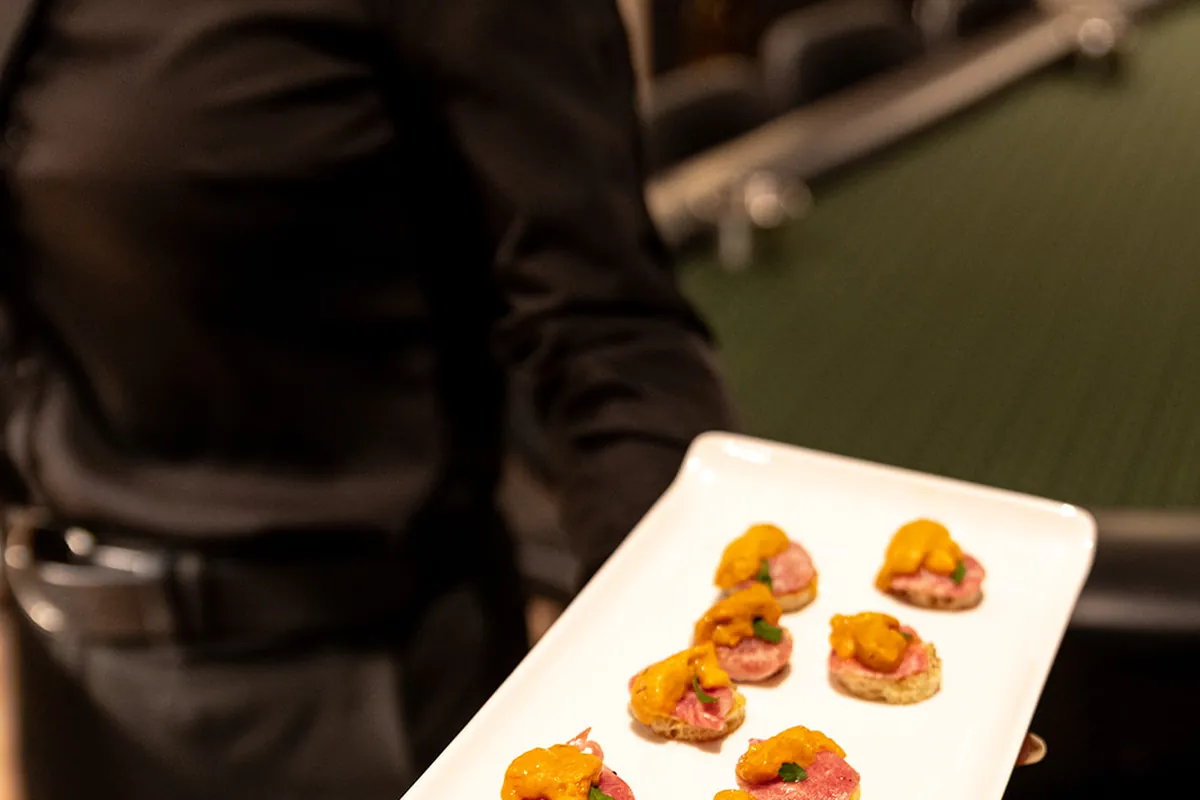
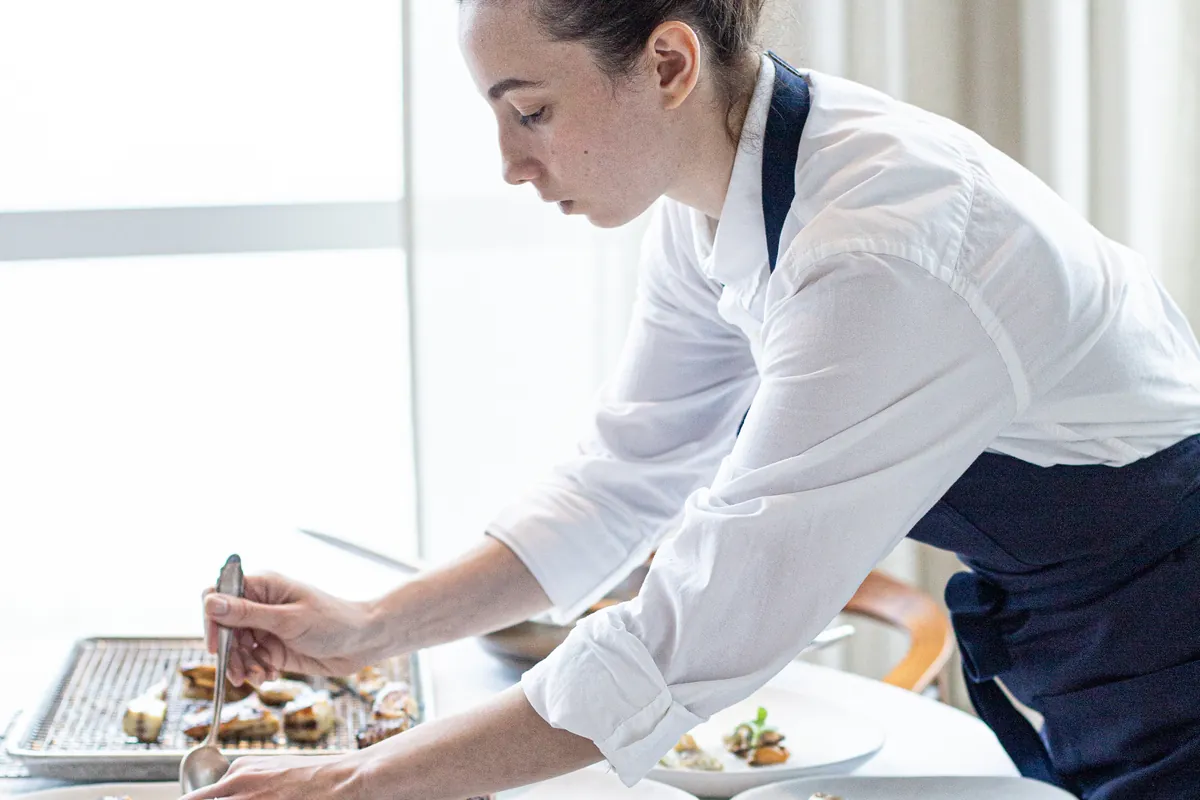
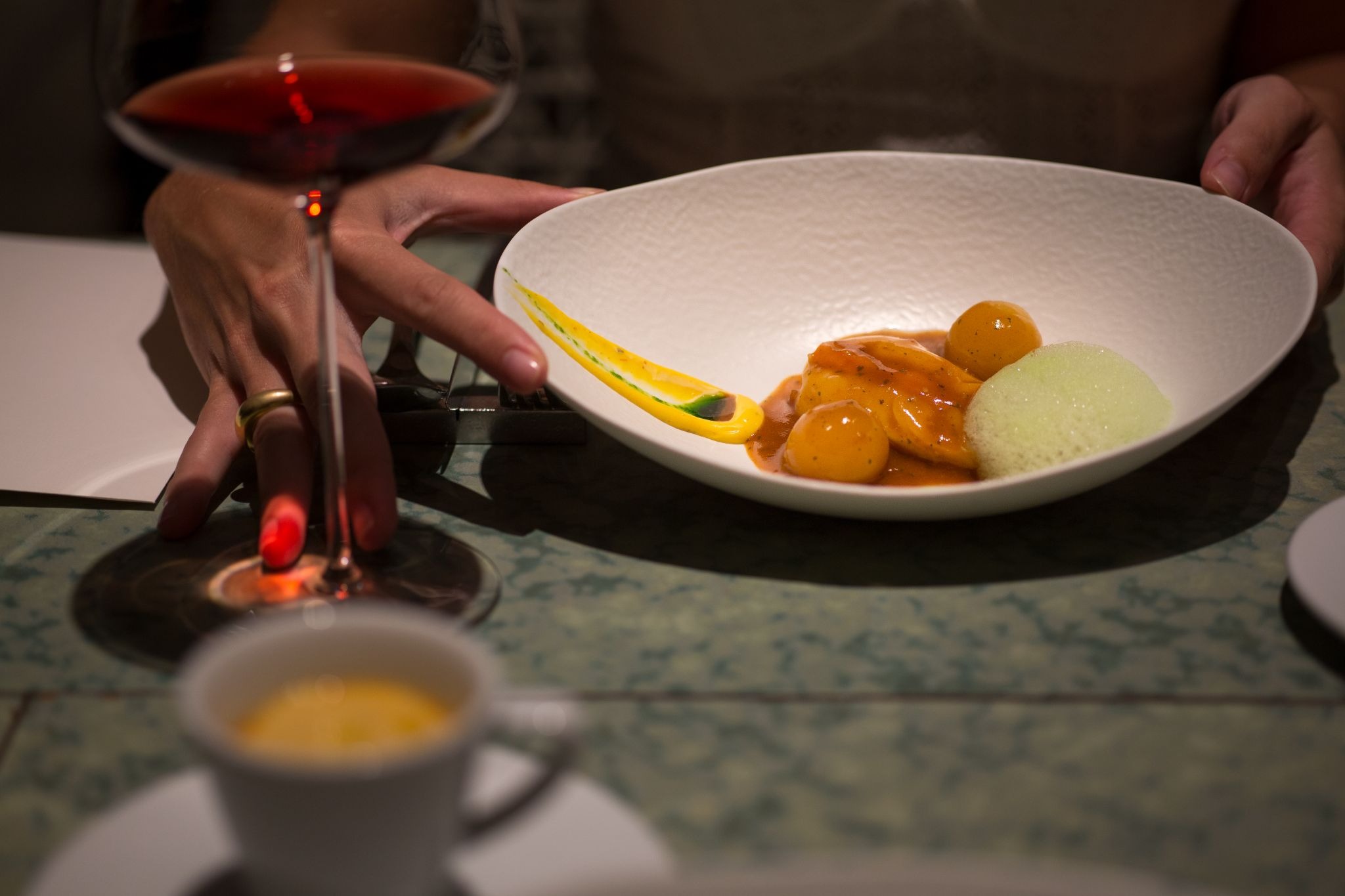
There is a dimension of professional cooking that extends beyond the purely technical and into the experiential, and it concerns the way food looks and how that affects the way it tastes. This is not simply a matter of aesthetics, though that matters too. A well-presented dish communicates something about the care and intention that went into its preparation, which actively influences the way a person engages with it from the first moment. The arrangement of elements on a plate, the use of color and contrast, the choice of serving vessel, the placement of a garnish, all of these contribute to a first impression that shapes expectations and primes the palate before a single bite is taken.
Professional chefs understand this instinctively because they have been trained to think about the complete experience of a dish rather than just its flavor in isolation. When you work with a private chef, this attention to presentation comes as a natural part of the service, and the difference it makes to the overall meal experience is something most clients notice almost immediately.
Why Consistency Is One of the Most Underrated Skills
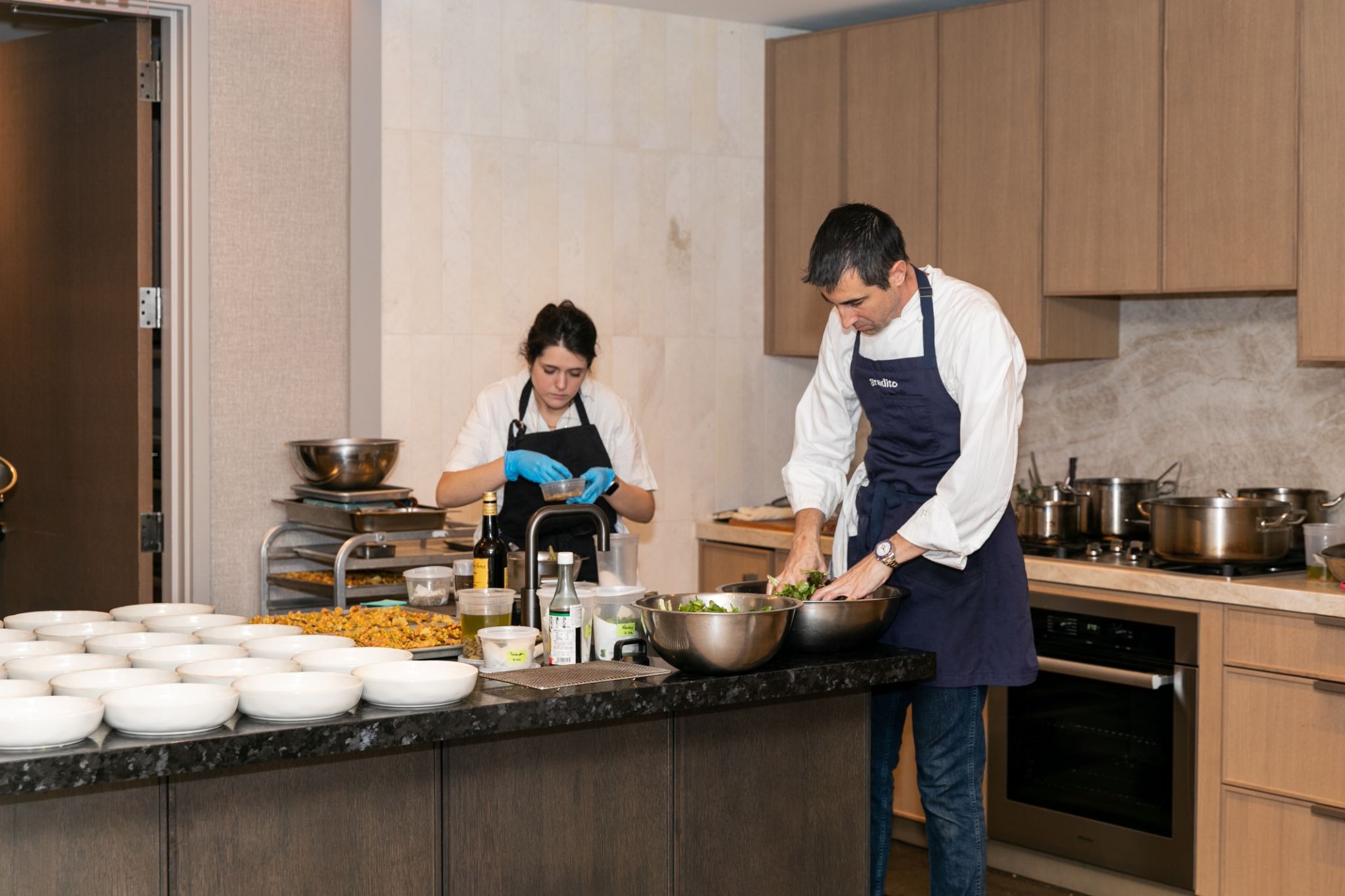
One quality that separates professional chefs from even talented home cooks in a way that is easy to overlook is consistency. A home cook might produce a genuinely excellent meal on a good evening when conditions are right, attention is focused, and everything comes together. Replicating that result every time, under varying conditions, with different ingredients and different constraints, is a fundamentally different challenge. Professional chefs develop consistency through the sheer volume of repetition their work requires, and that consistency is part of what makes the experience of eating meals prepared by a personal chef so reliable. Each meal meets a standard because the chef has internalized what that standard requires and knows how to reach it regardless of the circumstances.
Experiencing the Difference for Yourself
Understanding what makes professional cooking different is one thing. Tasting it firsthand is another. If you are curious about what it actually feels like to have a skilled private chef cooking in your home every day, even a single occasion with a Gradito chef gives you a clear reference point. Gradito connects you with experienced culinary professionals who bring exactly this level of skill, knowledge, and attention to every meal they prepare. Whether you are looking for ongoing personal chef support, help with a special dinner, or just want to understand what the experience is like, the platform makes it straightforward to find someone whose cooking will answer that question better than any explanation could.
Ready to Bring a Private Chef to Your Table?
Whether you're planning an intimate dinner at home, a milestone celebration, or a fully catered private event, Gradito makes it simple to connect with vetted chefs who match your taste, budget, and occasion. Every booking is built around your preferences, so the experience feels effortless from the first conversation to the last course.
Book a quick call with our team to talk through your vision: Schedule a 30-Minute Consultation
Planning something larger? Tell us about your event and we'll handle the rest: Submit a Private Event Inquiry


