


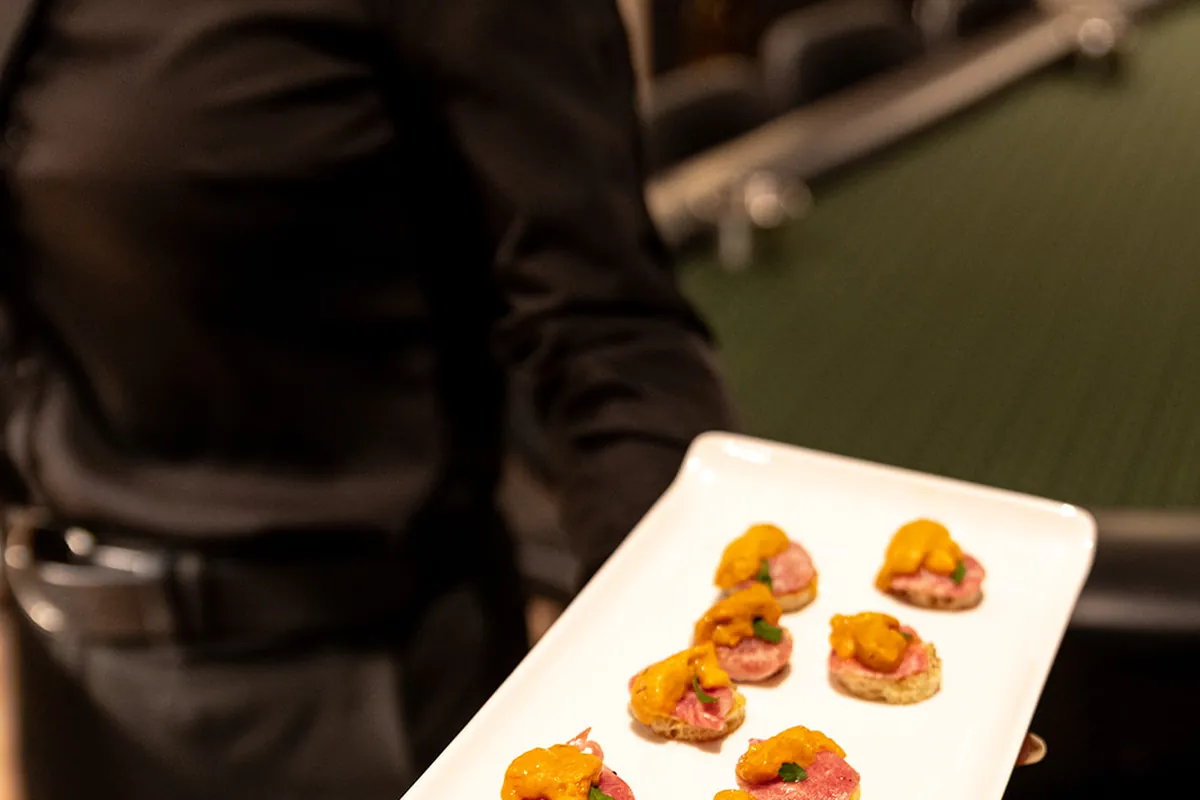
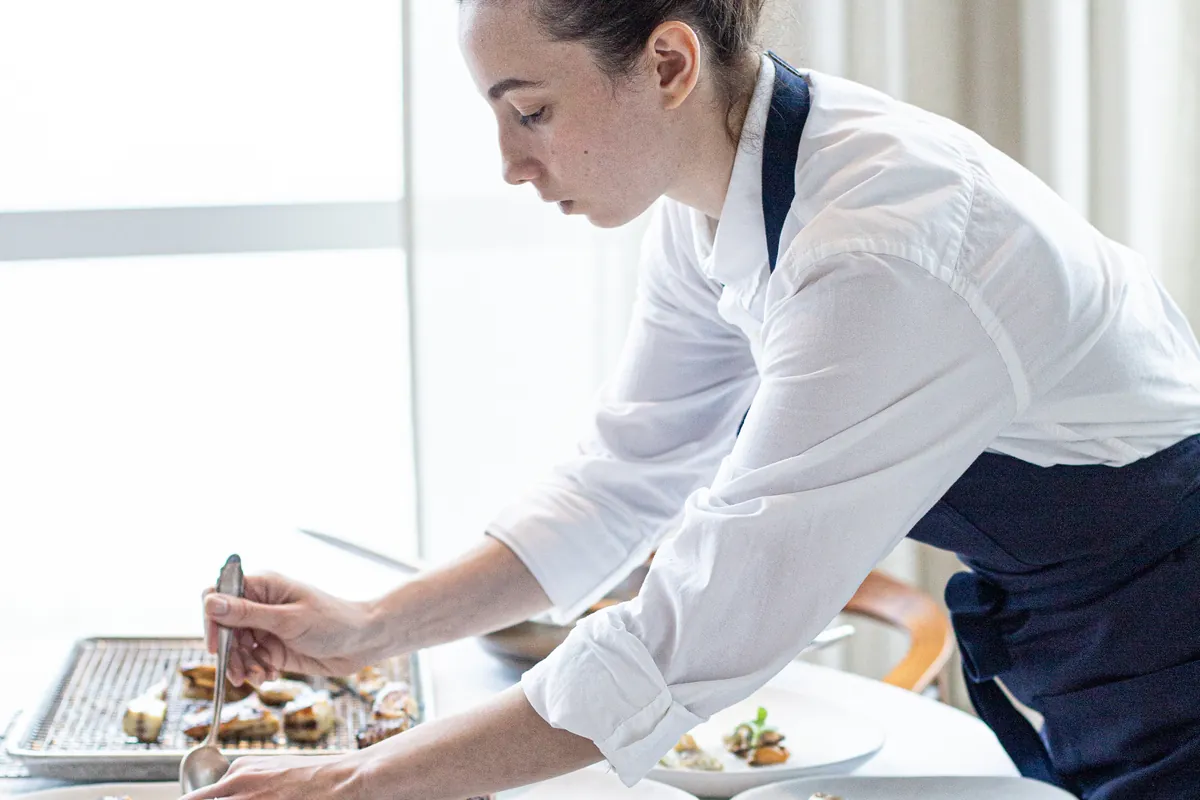
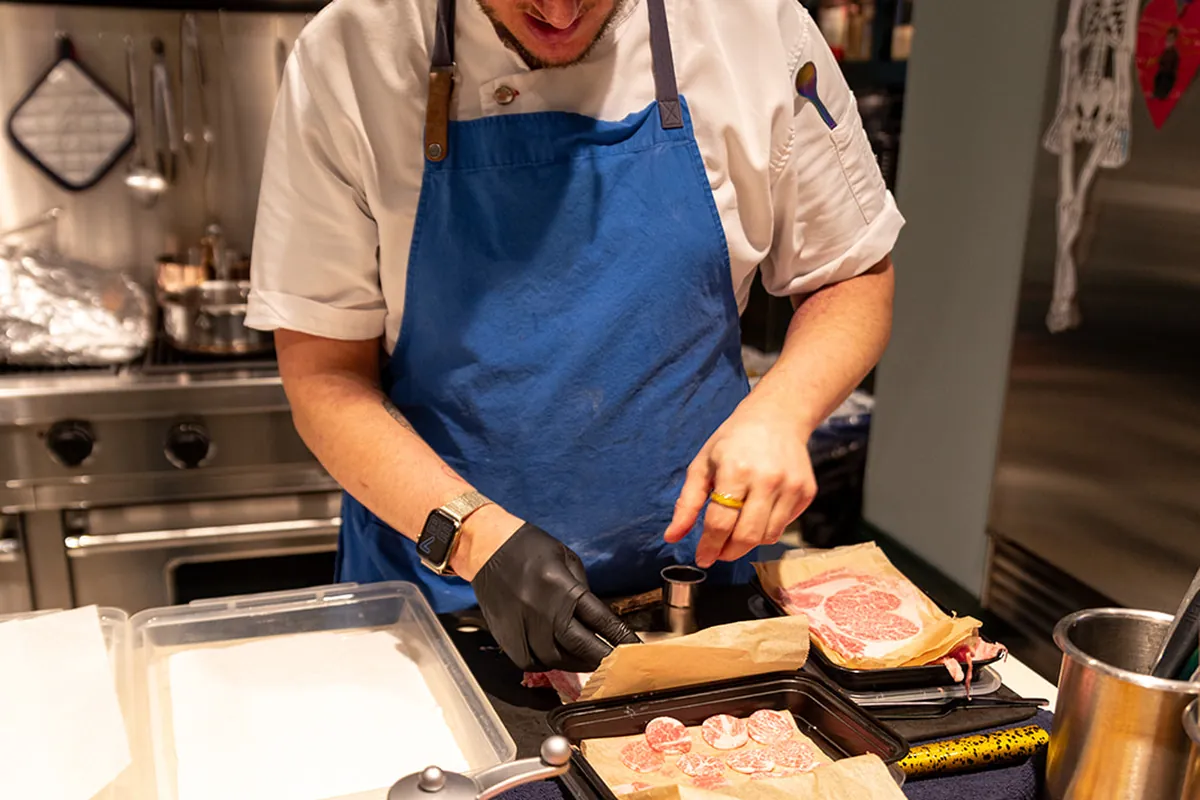
When most people picture a professional chef at work, they imagine a busy restaurant kitchen, the clatter of pans, plated dishes flying out to a packed dining room. That image is accurate for many chefs, but it is far from the complete picture. A significant and growing number of skilled culinary professionals work outside traditional restaurant settings entirely, focusing instead on private events, household service, and corporate catering. The corporate side of that picture, in particular, has expanded considerably as businesses come to understand just how much a well-executed food experience can influence the atmosphere, productivity, and impression of a professional gathering.
Corporate catering is its own discipline within the culinary world, one that demands a specific combination of cooking skill, logistical ability, professionalism, and flexibility. Chefs who work in this space are not simply transporting restaurant-style service into an office meeting room. They are building bespoke food experiences designed around the nature, size, and purpose of each specific event, which requires a fundamentally different way of approaching their craft than cooking from a fixed menu night after night.
What a Corporate Catering Chef Actually Does
The role of a corporate catering chef begins long before any cooking takes place. The first stage is always planning, and it is one of the most involved parts of the job. The chef meets with the client to understand the full context of the event. What is the occasion? How many people will be attending? Is the tone formal or relaxed? Are there guests with dietary restrictions, allergies, or strong preferences that need to be accommodated? Is this a working lunch where speed and ease of service matter, or a formal seated dinner where presentation and pacing are central to the experience?
Each of those questions shapes the menu in a meaningful way. A chef preparing food for a morning strategy session needs to think about food that is energizing, easy to eat without making a mess, and served efficiently so it does not disrupt the flow of the meeting. A chef designing a menu for a client entertainment dinner is working in a completely different register, where refined presentation, thoughtful course progression, and a more elevated standard of ingredient quality are all expected. One of the defining qualities of a skilled corporate catering chef is the ability to read these distinctions clearly and respond to them with menus and service styles that genuinely fit the situation.
Once the planning is locked in, the chef coordinates the sourcing of ingredients, prepares everything to a precise timeline, and manages the setup, service, and cleanup, often in a venue they have never worked in before. Timing is critical in corporate settings in a way it rarely is elsewhere. Meetings run to schedules, guests have other commitments, and a meal that runs over or arrives late can create real disruption. A chef operating in this space has to be as much a logistician as a cook.
How Corporate Catering Differs From Restaurant Work
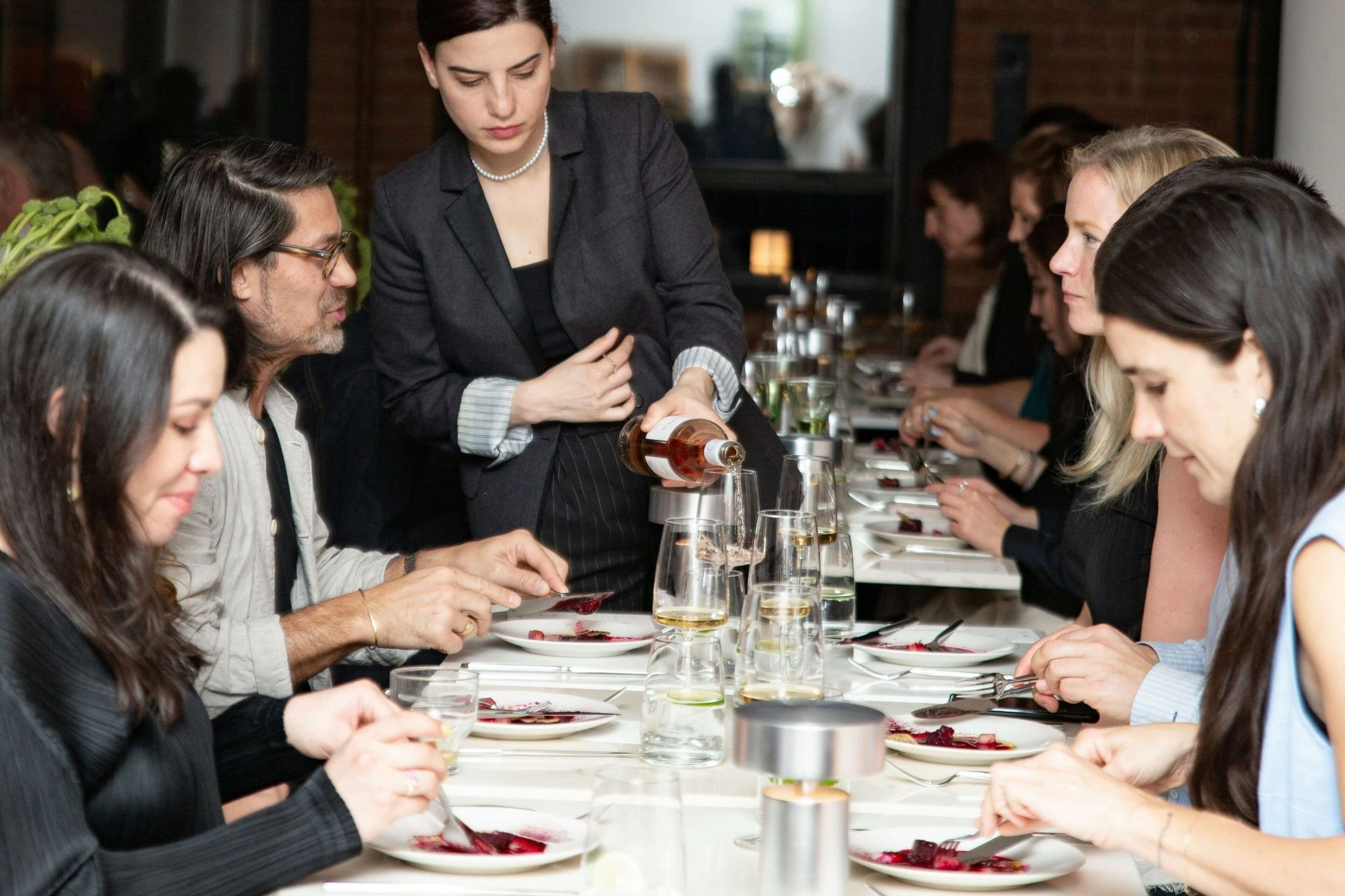
The contrast between working in a restaurant and working in corporate catering is more substantial than most people outside the industry realize. A restaurant kitchen operates around a consistent physical space, a fixed menu that changes on a defined schedule, and a predictable flow of service during set hours. The chef knows the equipment, knows the layout, knows the team, and works within a system that has been refined over time to run smoothly under pressure.
Corporate catering strips most of that certainty away. Every event is different. The kitchen facilities, if there are any, vary from one venue to the next. The guest count might be two people in a private boardroom or two hundred people in a conference hall. The service style shifts depending on the occasion. The timeline is dictated by the client's schedule rather than the chef's preferred rhythm. And because corporate clients often have high expectations for professionalism and presentation, there is very little margin for error even in these unpredictable conditions.
This is why chefs who thrive in corporate catering tend to be particularly adaptable and highly organized. The skills that make someone an excellent restaurant chef are necessary but not sufficient on their own. What sets a corporate catering chef apart is the ability to maintain quality and composure across varying environments, with different teams, under schedule pressure, and for audiences who may be simultaneously evaluating a business relationship and eating lunch.
Why Companies Are Choosing Private Chefs Over Standard Catering
There is a growing preference among businesses, particularly those hosting clients, senior teams, or high-stakes events, for working with a private or personal chef rather than a conventional catering company. The reason is largely about personalization. Standard catering operates at scale, producing large volumes of food from a set menu designed to be broadly acceptable rather than specifically excellent. A private chef takes the opposite approach, designing the menu around the specific event, the specific guests, and the specific impression the company wants to make.
That distinction matters more than it might initially seem. Food is one of the most immediate and sensory ways that a host communicates their level of care and attention to the people they have invited. A thoughtfully designed meal, prepared with quality ingredients and served well, sends a message about the company's standards and values that a generic buffet simply cannot. For businesses entertaining clients, that impression can be genuinely meaningful in ways that extend beyond the meal itself. For internal events, it signals to employees that the company invests in their experience and takes the occasion seriously.
The personalization available through a private chef also solves one of the more persistent headaches of corporate catering: accommodating diverse dietary needs across a group. Rather than offering a few broad categories and hoping everyone finds something suitable, a private chef can design around the full range of restrictions and preferences in the guest list from the start, ensuring nobody is left eating around the edges of a meal that was not designed for them. Understanding what to expect when working with a private chef for the first time can help businesses approach that initial conversation with clarity and confidence.
The Range of Corporate Events That Benefit From a Private Chef
The variety of corporate contexts in which a private or personal chef can add genuine value is broader than many companies initially consider. Daily office meals are one of the most common arrangements, with businesses bringing in a chef on a regular basis to prepare fresh, quality lunches for their teams. The benefits extend beyond simply feeding people well. Shared meals have a documented effect on team cohesion, morale, and the quality of informal communication that happens around the table, all of which matter in a workplace context.
For larger gatherings such as conferences, product launches, and company-wide celebrations, a private chef can scale their approach to match the scope of the event while maintaining the standard of food and service that makes the occasion feel considered rather than functional. Executive meetings and client dinners sit at the other end of the scale, where a smaller number of guests and a higher-stakes atmosphere call for a more intimate, refined dining experience. In those settings, the quality of the food and the professionalism of the service are directly connected to the impression the company leaves on the people it is trying to impress.
Each of these contexts demands something different from the chef, and the best corporate catering chefs understand how to shift their approach accordingly. If you are in the early stages of planning a larger event, it is also worth exploring how private chef services work for all kinds of occasions before committing to a format.
The Skills That Define an Excellent Corporate Catering Chef
Technical cooking ability is the foundation, but the skills that make a private chef genuinely effective in a corporate environment go considerably further. Organization is non-negotiable. Managing ingredients, equipment, timing, and service across an unfamiliar space, often with limited preparation time, requires a level of systematic thinking and forward planning that not every chef naturally brings to the role.
Communication is equally important. A corporate catering chef needs to understand the client's expectations with precision, ask the right questions early in the planning process, and then deliver an experience that reflects what was discussed. Misaligned expectations are one of the most common sources of disappointment in event catering, and a skilled chef mitigates that risk through clear, thorough communication from the very beginning.
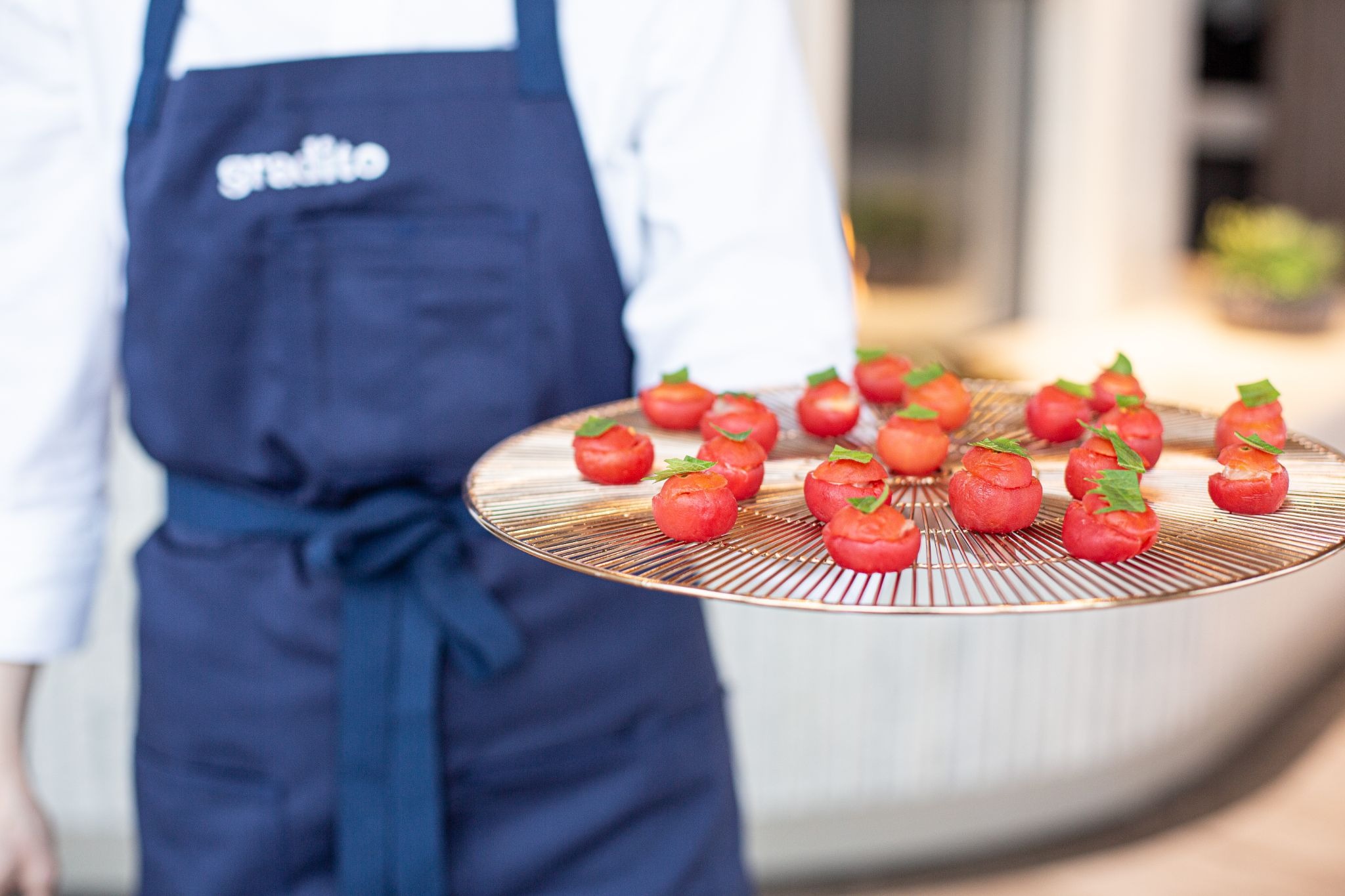
Presentation is another dimension that carries particular weight in professional settings. Food that looks polished and intentional signals quality before a single bite is taken, and in a corporate context where first impressions carry real weight, that visual element of the meal matters more than it might in a casual private dinner. A chef who understands this and brings genuine attention to how each dish is presented brings added value to any corporate event.
How Gradito Connects Businesses With the Right Chef
If your company is considering bringing a private chef in for a corporate event, whether that is a regular office lunch program, a client entertainment dinner, or a large-scale gathering, Gradito makes it straightforward to find the right person for the job. The platform connects businesses with experienced, professional chefs who specialize in corporate catering and understand the particular demands that come with serving a professional audience.
Each chef is selected for their culinary skill, reliability, and ability to adapt to the varied contexts that corporate events present. Rather than settling for a generic catering solution, working with a private chef through Gradito gives your company access to a genuinely personalized, high-quality food experience that reflects well on your business and leaves a lasting impression on the people you are hosting.
Ready to Bring a Private Chef to Your Table?
Whether you're planning an intimate dinner at home, a milestone celebration, or a fully catered private event, Gradito makes it simple to connect with vetted chefs who match your taste, budget, and occasion. Every booking is built around your preferences, so the experience feels effortless from the first conversation to the last course.
Book a quick call with our team to talk through your vision: Schedule a 30-Minute Consultation
Planning something larger? Tell us about your event and we'll handle the rest: Submit a Private Event Inquiry


