






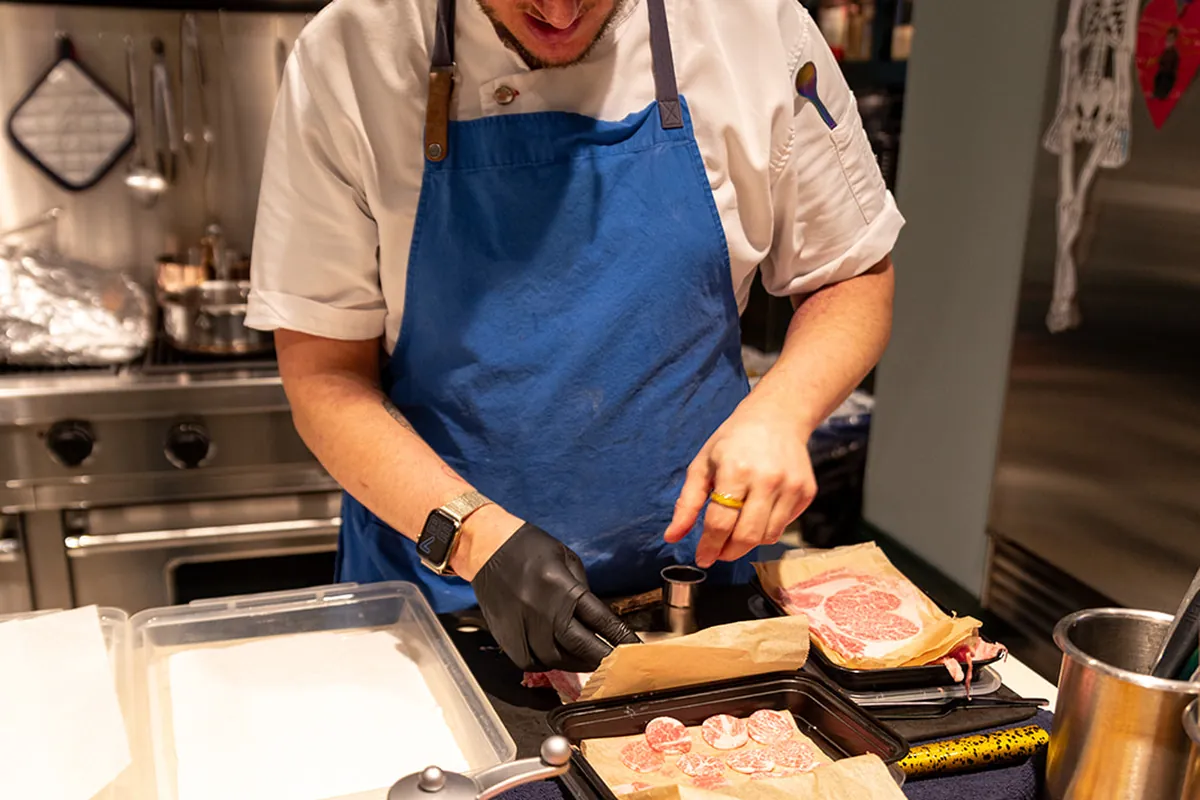
Not long ago, the idea of hiring a full-time private chef sat firmly in the category of things that only a very small number of people ever seriously considered. The association with extreme wealth was so strong that most households would never even look into it. That perception has shifted. The private chef industry has grown considerably over the past decade, and with that growth has come a broader range of options, more accessible entry points, and a much wider demographic of people who now regard a private chef as a genuine lifestyle choice rather than an impossible luxury. The question that stops most people at the door is still the same, though: what does it actually cost?
The honest answer is that it depends on a number of variables, but there is a realistic range to work with. In the United States, a full-time private chef typically earns somewhere between $60,000 and $150,000 per year, and in high-cost cities or particularly demanding household situations, that figure can climb higher still. That is a wide range, and understanding what drives a salary toward the lower or upper end of it is the most useful place to start when thinking about whether this kind of arrangement makes sense for your situation.

What "Full-Time Private Chef" Actually Means
Before getting into the specifics of cost, it is worth being clear about what a full-time private chef role actually involves, because the title covers a wider scope of work than many people initially assume. A full-time private chef works exclusively with one household or client, which already distinguishes them from a personal chef who may serve several clients throughout the week. That exclusivity means the chef's full professional attention and availability are dedicated to you, your family, and your food experience.
In practice, the role typically encompasses daily meal preparation across some or all meals, menu planning tailored to the household's preferences and nutritional needs, grocery shopping and ingredient sourcing, kitchen management, and often the coordination of food for special occasions and events. Some full-time chefs also travel with their clients, which adds another layer of complexity and compensation to the arrangement. When you hire a full-time private chef, you are not simply paying someone to cook. You are bringing on a culinary professional who manages an entire dimension of your daily life, and the pricing reflects that scope.
The Factors That Shape What You Pay
Several distinct factors determine where a particular chef's compensation falls within the broader salary range, and understanding them helps set realistic expectations before any conversations with potential candidates begin.
Location is one of the most significant drivers. In major metropolitan areas such as New York, Los Angeles, San Francisco, or Miami, the cost of living is substantially higher, and chef salaries reflect that reality. A chef commanding $90,000 in New York City might expect $65,000 for the equivalent role in a smaller city or suburban area. The market that a chef is operating in shapes what they can reasonably expect to earn and what clients in that market are accustomed to paying.
Experience and culinary background are equally influential. A chef who has spent years working in fine dining restaurants, earned formal culinary credentials, or built a reputation for a particular specialty will price their services accordingly. That premium on experience is usually well-justified. The gap in quality between a highly experienced private chef and someone newer to the field is noticeable in the consistency, creativity, and technical skill that shows up in daily meals. For households with high expectations around food quality, the investment in a more experienced professional tends to pay off clearly.
The scope and demands of the role itself also have a direct bearing on cost. A chef responsible for preparing three full meals a day for a large family, accommodating several dietary requirements, and handling all kitchen management will reasonably command more than one who is only needed for weekday dinners. If the role involves significant travel, event hosting, or managing additional kitchen staff, those responsibilities add to the overall compensation package. The more complex and demanding the position, the more it costs, which is straightforward enough once you map out exactly what you need.
Salary Is Only Part of What You Are Paying
One of the most common oversights people make when researching the cost of a full-time private chef is focusing exclusively on the base salary and not accounting for the additional expenses that typically accompany the role. Ingredient costs, for example, are almost always separate from the chef's compensation. Depending on the household's preferences, the quality of ingredients sourced, and the volume of cooking involved, food costs can add thousands of dollars per month to the overall expenditure. Premium proteins, specialty produce, imported goods, and high-end pantry staples all carry price tags that add up quickly when meals are being prepared at a professional standard every day.
Benefits are another consideration. Full-time employees in any field typically expect some form of benefits package, which may include health insurance, paid time off, and in some cases accommodation or a housing allowance if the chef is expected to live on the property or travel regularly with the client. These additions are part of what makes a full-time arrangement a genuine employment relationship rather than a casual arrangement, and they factor into the total cost of the setup in ways that are easy to underestimate at the outset.
None of this is to say that these costs should be discouraging. Part of calculating the true cost of a full-time private chef is also calculating the costs it replaces. Frequent dining out, regular takeout orders, delivery fees, and the grocery spending that quietly disappears due to food waste in households without structured meal planning all represent real expenditure that tends to diminish significantly when a professional chef is managing your food. For a deeper look at how these trade-offs play out, it is worth reading through the full breakdown of what hiring a private chef is worth before settling on a number.
Why People Decide It Is Worth It
The case for a full-time private chef is ultimately not a purely financial one, even though the financial picture is more nuanced and often more favorable than people initially expect. The more compelling arguments tend to involve time, health, and the quality of daily life in ways that are difficult to quantify precisely but easy to feel.
Time is perhaps the most straightforward. Meal planning, grocery shopping, cooking, and cleanup represent a substantial commitment of hours across a week, and for busy professionals, parents, or anyone running a demanding schedule, those hours are genuinely hard to spare. A full-time chef absorbs all of that, returning time that can then go toward work, family, rest, or whatever matters most to the people in the household. The removal of that daily responsibility is something clients consistently describe as one of the most impactful changes in their day-to-day lives after making the switch.
The health dimension is also significant. When a skilled professional is designing and preparing your meals every day, the nutritional quality of what you eat improves in ways that are hard to sustain through willpower and good intentions alone. Dietary goals become easier to maintain because the food is already there, already planned, and already aligned with what you are trying to achieve. For people managing specific health conditions, following structured eating plans, or simply trying to eat better without sacrificing enjoyment, this level of consistent nutritional support is genuinely valuable. You can learn more about how wellness-focused private chef cooking works in practice to get a better sense of what that looks like day to day.

Full-Time Versus Personal Chef: Understanding the Difference
For households that do not need daily service, a personal chef can offer many of the same core benefits at a lower overall cost. A personal chef typically works across multiple clients rather than dedicating all of their time to one household, which means they might come in three days a week, prepare a week's worth of meals in a single visit, or provide service on a flexible schedule that fits around a client's changing needs. The food is still professionally prepared, still personalized to your preferences, and still represents a significant step up from cooking for yourself or relying on takeout.
The trade-off is availability and consistency. A personal chef is not on call for a weeknight dinner that runs late or a spontaneous gathering on a Friday evening. A full-time private chef is. That difference in availability and dedicated service is what justifies the higher cost of the full-time arrangement and is the deciding factor for many households when weighing up which option fits their lifestyle more accurately. If you are not yet sure which direction makes more sense for you, understanding how personal chef services work is a useful starting point before committing to anything.
Starting With Events Is a Low-Commitment Way to Explore the Experience
For anyone who finds the full-time numbers daunting but is genuinely curious about what working with a private chef feels like, booking a chef for a special occasion is a natural and low-commitment entry point. A dinner party, a holiday meal, a celebration, or even a weekend brunch gives you a real sense of the quality and experience a professional chef delivers without the financial commitment of a long-term arrangement. Many people who eventually move to regular or full-time chef service started with exactly this kind of occasional booking, which gave them enough of a reference point to make a confident decision about whether a more sustained arrangement was worth it for them.
How Gradito Helps You Find the Right Fit
Gradito makes the process of finding and engaging a private or personal chef considerably more straightforward than navigating the search independently. The platform connects you with experienced, vetted culinary professionals across a range of service levels, from occasional event cooking to full-time household chef arrangements, so you can find someone whose skills, style, and availability genuinely align with what you are looking for. Whether you want to start small and see how the experience feels or you are ready to commit to a more comprehensive arrangement, Gradito gives you the tools and the access to make that decision with confidence.
Ready to Bring a Private Chef to Your Table?
Whether you're planning an intimate dinner at home, a milestone celebration, or a fully catered private event, Gradito makes it simple to connect with vetted chefs who match your taste, budget, and occasion. Every booking is built around your preferences, so the experience feels effortless from the first conversation to the last course.
Book a quick call with our team to talk through your vision: Schedule a 30-Minute Consultation
Planning something larger? Tell us about your event and we'll handle the rest: Submit a Private Event Inquiry


